

For decades, retirement was widely viewed as the final stage of professional life. In many countries, turning 60 or 65 traditionally marked the end of public activity, leadership roles and large-scale professional responsibilities.
That idea is rapidly changing.
Across industries including media, business, science, art and entertainment, a growing number of globally recognized figures remain professionally active well beyond the age of 80 — and in some cases, past 90 or even 100 years old. Their continued presence is reshaping conversations around aging, productivity and longevity in modern society.
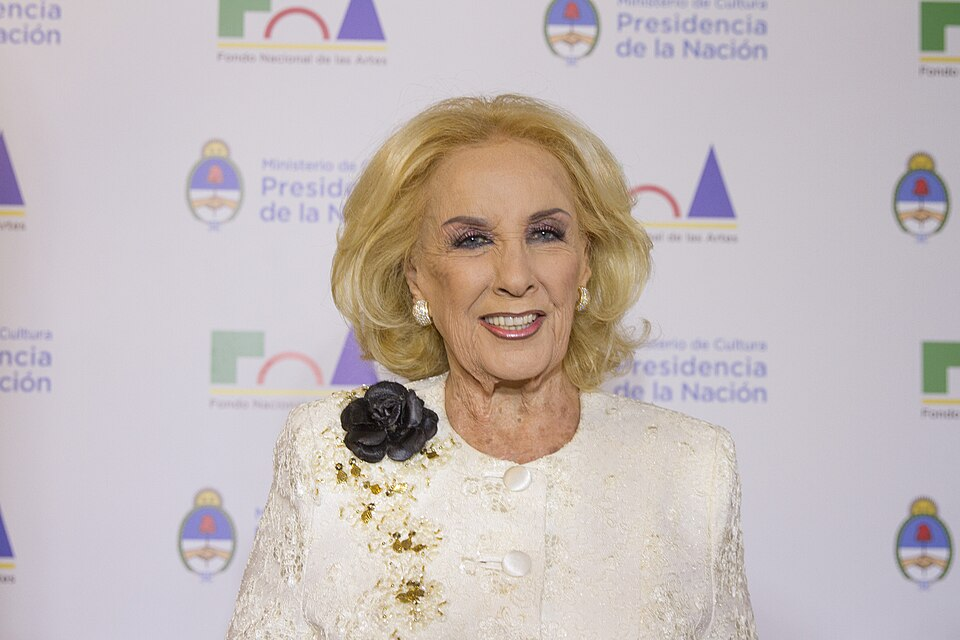
The discussion recently gained renewed attention in Latin America after Argentine television legend Mirtha Legrand appeared at the Martín Fierro Awards. At 99 years old, Legrand remains one of the most recognizable personalities in Spanish-language television, continuing to participate in public events and media appearances after more than eight decades in entertainment.
Her case is extraordinary, but far from unique.
Julio Le Parc and the endurance of artistic influence
Argentine artist Julio Le Parc, now 97, remains one of the most influential figures in kinetic and optical art worldwide.
Based in France for decades, Le Parc continues to participate in international exhibitions and cultural projects. His work is still featured in major museums and galleries across Europe, Asia and the Americas, while younger generations of artists continue to cite him as a major influence in contemporary art.
His longevity is particularly notable in a global art market defined by constant change, new trends and intense competition for relevance.
David Attenborough at 100
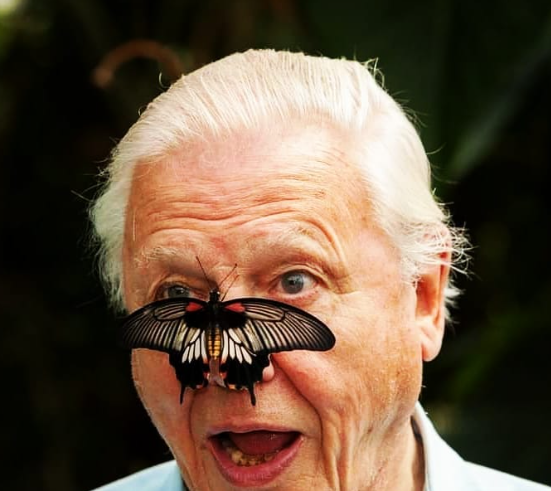
British broadcaster and natural historian David Attenborough recently reached 100 years of age and remains professionally active through documentaries and environmental campaigns.
For decades, Attenborough’s voice has defined some of the most successful nature productions in television history. Even today, he continues participating in narration projects and global initiatives related to biodiversity and climate awareness.
His continued work has made him one of the clearest examples of intellectual and professional longevity in international media.
Warren Buffett and leadership beyond 90
In the corporate world, few examples are more significant than Warren Buffett.
At 95 years old, the chairman of Berkshire Hathaway remains one of the most influential figures in global finance. Investors, analysts and business leaders still closely follow his public statements, investment decisions and economic outlook.
Buffett’s longevity in business reflects a broader trend in leadership roles where strategic experience and long-term vision remain highly valued, regardless of age.
Clint Eastwood and a career spanning generations
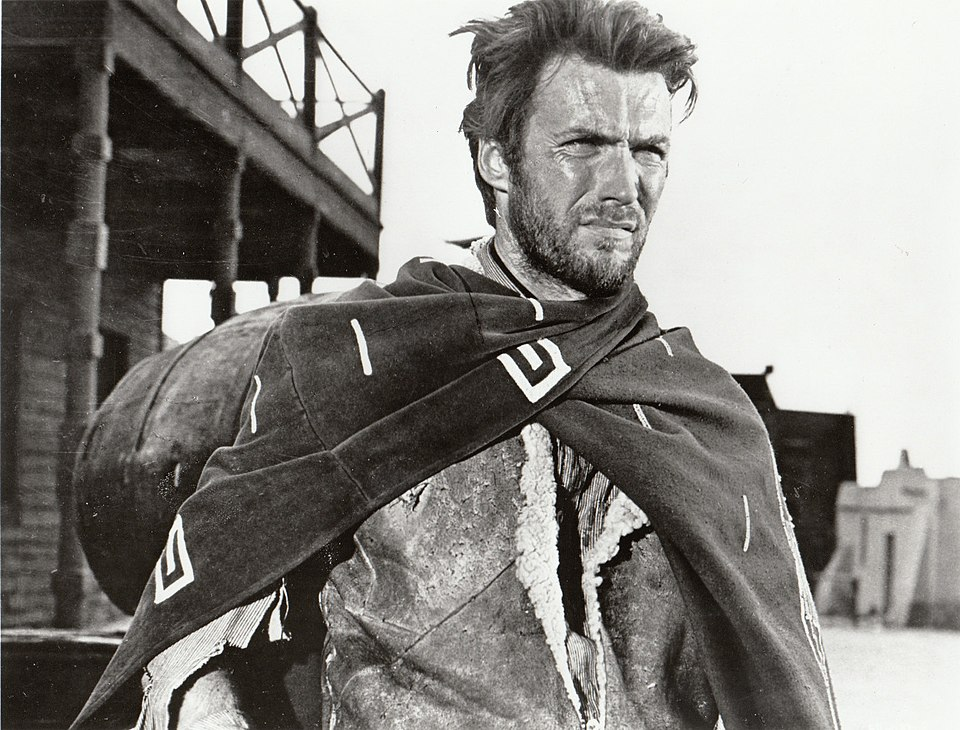
Hollywood also continues to be shaped by figures working well into advanced age.
At 96, Clint Eastwood remains connected to the film industry as an actor, producer and director. With a career spanning more than six decades, Eastwood continues to represent one of the most recognizable names in American cinema.
His ongoing involvement in filmmaking highlights how creative leadership often extends far beyond traditional retirement years.
The case of Giorgio Armani — and the end of an era
Until recently, Italian fashion designer Giorgio Armani was another major example of professional longevity.
Armani continued leading one of the world’s most influential luxury fashion brands into his 90s, remaining actively involved in creative and strategic decisions within the company.
However, the legendary designer died in September 2025 at the age of 91, marking the end of one of the most influential careers in modern fashion history.
His death also intensified global conversations about aging and leadership, especially in industries where experience, identity and long-term vision remain central to success.
A global shift in how societies view aging
Experts in labor markets and demographics say these examples reflect broader structural changes taking place around the world.
Life expectancy continues to rise in many countries, while improvements in healthcare, technology and quality of life allow more people to remain physically and intellectually active at advanced ages.
At the same time, many industries increasingly value expertise, strategic thinking and accumulated knowledge — qualities often associated with senior professionals.
This transformation is also changing public perceptions of aging itself. In previous generations, advanced age was often associated with withdrawal from professional life. Today, many public figures continue leading companies, producing creative work, influencing culture and participating in international debates well into their 80s and 90s.
The future of work may be older than expected
The growing visibility of highly active public figures over 80 is becoming part of a larger global conversation about longevity and the future of work.
Governments, companies and researchers are increasingly examining how aging populations will reshape economies, retirement systems and labor structures during the coming decades.
Cases like Mirtha Legrand, Julio Le Parc, David Attenborough, Warren Buffett and Clint Eastwood suggest that professional relevance no longer follows the same age limits that dominated the 20th century.
Instead, they represent a new reality emerging across multiple industries: influence, creativity and leadership are no longer defined by age alone