

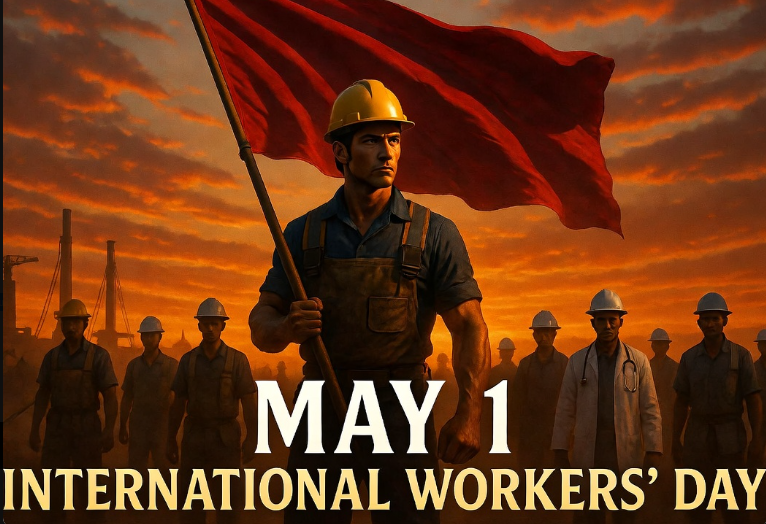
Every year on May 1, most countries across Latin America, Europe, Asia, and parts of Africa observe International Workers’ Day. It is a date tied to labor rights, fair working conditions, and the recognition of work as a foundation of social and economic development. However, one of the world’s largest economies, United States, does not celebrate Labor Day on this date. Instead, it marks the holiday on the first Monday of September.
This difference is not accidental. It reflects a unique historical and political trajectory that continues to influence workplace culture, especially in today’s global and remote work environment.
The origin: a labor struggle in Chicago
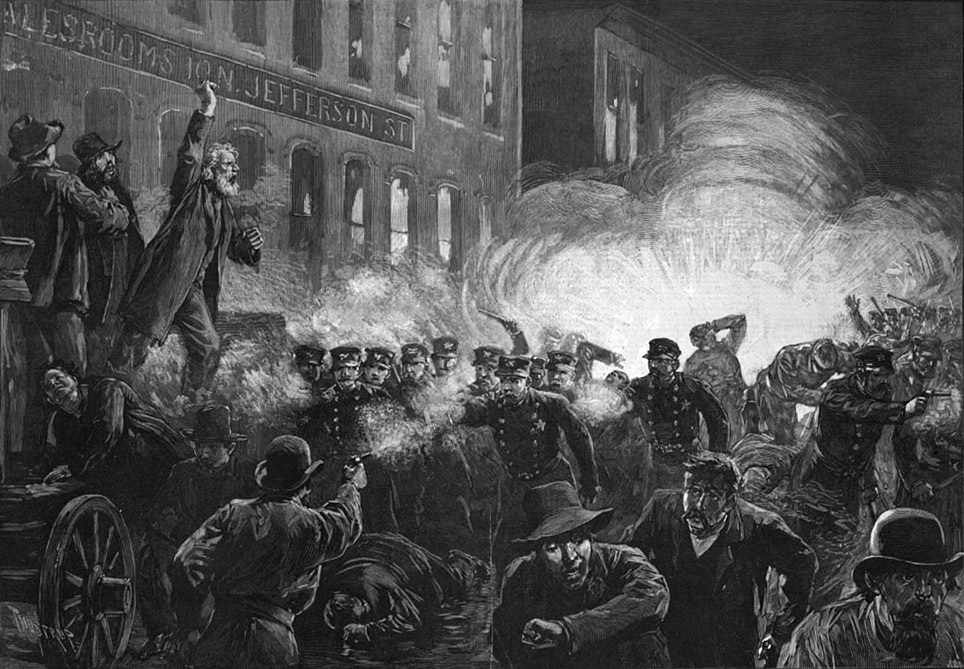
The origins of May 1 as Labor Day trace back to the United States. In 1886, thousands of workers went on strike demanding an eight-hour workday. The movement reached a turning point during the Haymarket Affair in Chicago, where a protest turned violent after a bomb explosion, resulting in deaths and a wave of repression against labor leaders.
Although these events took place in the U.S., it was the rest of the world that adopted May 1 as a symbol of workers’ rights. By the late 19th and early 20th centuries, many countries had institutionalized the date as an official holiday.
Why the United States chose a different date
Despite being the birthplace of the movement, the United States deliberately distanced itself from May 1. In 1894, the federal government established Labor Day in September. The primary reason was to avoid the growing association of May 1 with socialist, anarchist, and radical labor movements.
At a time of heightened social tensions, policymakers chose to recognize workers without linking the holiday to political protest. As a result, Labor Day in September evolved into a more neutral celebration, focused on rest rather than activism.
Over time, this decision became part of American culture. While May 1 remains a day of demonstrations and labor advocacy in much of the world, in the U.S. it is largely unobserved.
Two ways of understanding work

This historical divergence reflects two broader ways of understanding work.
In many countries, May 1 continues to serve as a platform for discussing labor rights, social protections, and the role of workers in society. In contrast, the U.S. model tends to emphasize productivity, individual achievement, and market-driven employment.
These perspectives influence workplace expectations, organizational culture, and how companies design their talent strategies.
The impact on global workforces
Today, work is increasingly global. Millions of professionals across Latin America collaborate with U.S.-based companies, often in remote roles.
For workers in Mexico, Argentina, or Colombia, May 1 is more than a public holiday—it carries historical and cultural significance. For many U.S. companies, however, it may go largely unnoticed.
This gap can create misalignment, but it also presents an opportunity. Companies that recognize and respect these cultural differences tend to build stronger, more engaged teams.
A strategic lesson for HR
For HR leaders and global organizations, understanding the meaning of May 1 is part of a broader capability: cultural intelligence.
It is not just about acknowledging different holidays, but about understanding what work represents in different regions. In Latin America, work is often tied to collective rights and social protection. In the United States, it is more closely linked to individual growth and flexibility.
Bridging these perspectives allows companies to create more resilient and inclusive work environments.
A global day, a local choice
The fact that the United States does not celebrate Labor Day on May 1 is not a contradiction—it is the result of its own historical path.
However, in an increasingly interconnected labor market, this difference carries new relevance. May 1 is more than a date—it is a reminder that work is understood differently across cultures.
For companies building international teams, recognizing and embracing those differences is not just respectful—it is a competitive advantage.