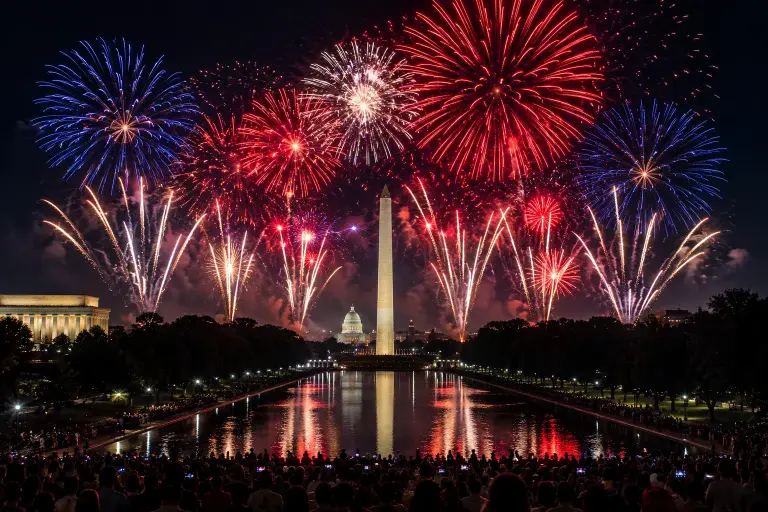


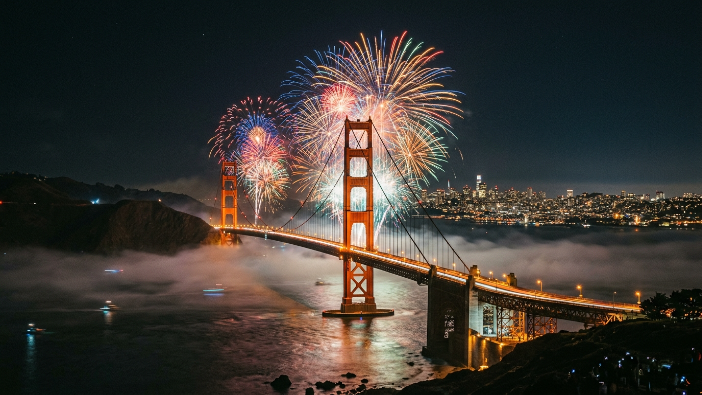
The Fourth of July is one of America’s most anticipated celebrations, and in 2026 it carries even greater significance as the nation marks the 250th anniversary of the Declaration of Independence. Millions of people are expected to attend parades, concerts, community events, and fireworks displays across the country.
However, this year’s celebrations will look different in several parts of the United States. Because of severe drought, extreme heat, strong winds, and ongoing wildfires, many state and local governments have imposed restrictions—or complete bans—on the use of personal fireworks.
The measures are designed to reduce the risk of new fires during one of the busiest holiday weekends of the year.
Utah Faces the Strictest Restrictions
Utah has implemented some of the toughest rules ahead of Independence Day.
Governor Spencer Cox declared a state of emergency and suspended most personal fireworks use between July 2 and July 5 after one of the state’s worst wildfire seasons on record.
Although local governments can designate approved areas where fireworks may be used under supervision, most cities—including Salt Lake City and surrounding communities—have chosen to prohibit personal fireworks altogether.
Nebraska Limits Fireworks in Several Counties
Parts of western Nebraska have also introduced strict restrictions.
Several counties in the Panhandle region have banned both the sale and use of fireworks because of exceptional drought conditions and the increased wildfire risk.
Authorities warned that violations may result in fines, confiscation of fireworks, and even criminal charges if a fire is started.
Oklahoma City Keeps Its Longstanding Ban
While Oklahoma recently expanded fireworks access statewide, Oklahoma City continues to enforce one of the country’s oldest local bans.
The city has prohibited personal fireworks since 1912, allowing only professionally organized displays operated under strict safety regulations.
Local officials say the policy helps protect residents and property during periods of elevated fire danger.
Why Are These Restrictions Necessary?
Every Independence Day, fireworks are responsible for thousands of fires across the United States.
The combination of dry vegetation, high temperatures, and holiday celebrations significantly increases the chances of wildfires, placing additional pressure on firefighters and emergency responders.
With many western states already battling active wildfires, officials say preventing new ignitions is a top priority this year.
Communities Are Choosing Safer Alternatives
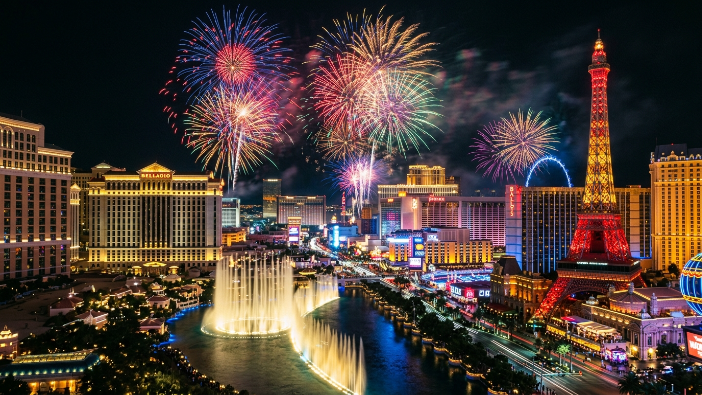
Instead of personal fireworks, many cities are encouraging residents to attend professionally managed public displays.
Others are replacing traditional fireworks with drone light shows, laser displays, concerts, and community celebrations that eliminate the fire risk while preserving the holiday atmosphere.
Some communities have even canceled fireworks events altogether because weather conditions remain too dangerous.
What Travelers Should Know
Anyone traveling for the Fourth of July should check local regulations before purchasing or using fireworks.
Rules can vary not only by state but also by county and city, and violating local ordinances may lead to fines or other penalties.
Officials also recommend avoiding activities that create sparks in dry areas, using grills and fire pits only in designated locations, and reporting smoke or fires immediately.
As Americans celebrate the nation’s 250th birthday, public safety remains the highest priority, with communities balancing tradition and celebration against the growing threat of wildfires.
States and Cities With Fireworks Restrictions – July 4, 2026
- Utah – Statewide restrictions on personal fireworks due to extreme wildfire danger.
- Salt Lake City, Utah – Personal fireworks prohibited.
- Most Utah municipalities – Fireworks banned unless used in designated safe zones approved by local authorities.
- Nebraska (Panhandle Region) – Restrictions in several western counties because of drought conditions.
- Box Butte County, Nebraska – Sale and use of fireworks prohibited.
- Kimball County, Nebraska – Fireworks ban in effect.
- Sioux County, Nebraska – Fireworks prohibited.
- Oklahoma City, Oklahoma – Personal fireworks remain prohibited under the city’s longstanding ordinance.
- Midway, Utah – Public fireworks display canceled because of wildfire risk.
- Vail, Colorado – Traditional fireworks replaced or canceled due to fire danger, with alternative celebrations encouraged.