

Every July 4, Americans celebrate Independence Day with parades, family gatherings, barbecues, and fireworks displays across the country. While millions enjoy the holiday, another large portion of the workforce continues working to keep essential services, businesses, and the tourism industry running.
For job seekers, employers, recruiters, and HR professionals, understanding how this holiday affects the workplace is essential. Contrary to popular belief, July 4 does not automatically mean a paid day off for every employee.
A Federal Holiday—But Not Mandatory for Private Employers
Independence Day is one of the eleven federal holidays recognized in the United States. As a result, federal government offices, the U.S. Postal Service, federal courts, and most public agencies are closed.
The private sector, however, operates under different rules.
Federal law does not require private employers to provide the day off or pay employees extra for working on a federal holiday. Instead, each company establishes its own policies based on operational needs, employment agreements, collective bargaining agreements, or employee benefit programs.
As a result, some businesses close entirely, others operate with reduced hours, and many continue normal operations throughout the day.

Who Typically Works on July 4?
Several industries remain active because of customer demand or the essential nature of their services.
Healthcare
Hospitals, medical centers, urgent care facilities, emergency rooms, ambulance services, and healthcare providers operate around the clock on Independence Day.
Doctors, nurses, technicians, first responders, and support staff typically work rotating shifts to ensure uninterrupted patient care.

Logistics and Transportation
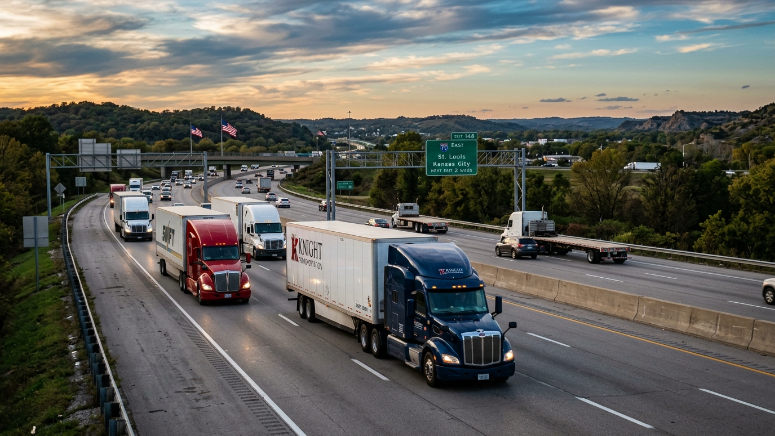
Although many corporate offices close for the holiday, logistics networks continue operating to supply supermarkets, gas stations, hotels, restaurants, and large public events.
Truck drivers, warehouse employees, distribution centers, freight companies, and transportation providers remain active, particularly in regions experiencing increased holiday travel.
Retail
Major retailers, grocery stores, pharmacies, convenience stores, and shopping centers often remain open.
Many businesses even extend operating hours and launch special Independence Day sales, creating additional demand for cashiers, stock associates, supervisors, and customer service employees.
Tourism and Hospitality
The Independence Day weekend is one of the busiest travel periods of the year.
Hotels, resorts, airports, amusement parks, vacation destinations, rental car companies, and tourist attractions experience exceptionally high occupancy and visitor traffic.
As a result, employers often require additional front desk staff, housekeepers, maintenance crews, security personnel, and guest service representatives.
Restaurants and Food Service
Restaurants, bars, cafés, food trucks, and catering businesses typically experience a significant increase in customers during the holiday weekend.
Servers, cooks, bartenders, kitchen staff, and delivery drivers usually work regular shifts to accommodate both local residents and tourists participating in the celebrations.
Do Employees Receive Higher Pay?
One of the most common questions surrounding Independence Day is whether employees earn more for working on July 4.
The answer depends on the employer.
The Fair Labor Standards Act (FLSA) does not require employers to provide premium pay for work performed on federal holidays.
However, many companies voluntarily offer additional compensation, such as:
- Double-time pay
- Time-and-a-half pay
- Holiday bonuses
- A compensatory day off
- Additional paid time off (PTO)
These benefits are often part of broader compensation and retention strategies, particularly in industries that operate 24 hours a day, 365 days a year.
A Peak Hiring Period
The Independence Day weekend is also one of the busiest economic periods of the year.
Millions of Americans travel by car or plane to visit family, attend celebrations, or take vacations, driving higher demand across multiple industries.
As a result, employers frequently hire seasonal or temporary workers and increase staffing in logistics, retail, hospitality, food service, entertainment, transportation, and security.
For many organizations, planning employee schedules, shift coverage, and holiday compensation well in advance is essential to maintaining smooth operations while delivering excellent customer service.
What Job Seekers Should Know
Understanding how employers handle federal holidays can help candidates make more informed career decisions.
Before accepting a job offer, applicants should consider asking:
- Does the company observe federal holidays?
- What is the policy for employees who work on holidays?
- Is premium holiday pay offered?
- How are holiday schedules assigned?
- Are there compensatory benefits or additional paid time off?
The answers can vary significantly from one employer to another—even within the same industry.
Good Workforce Planning Matters
For employers, Independence Day is much more than a date on the calendar. It is an opportunity to demonstrate effective workforce planning, communicate company policies clearly, and recognize the employees who keep operations running during one of the nation’s most important holidays.
Organizations that manage holiday scheduling transparently, provide competitive benefits, and acknowledge employees’ contributions during holiday shifts strengthen employee engagement, improve retention, and foster a workplace culture built on trust, appreciation, and respect.