


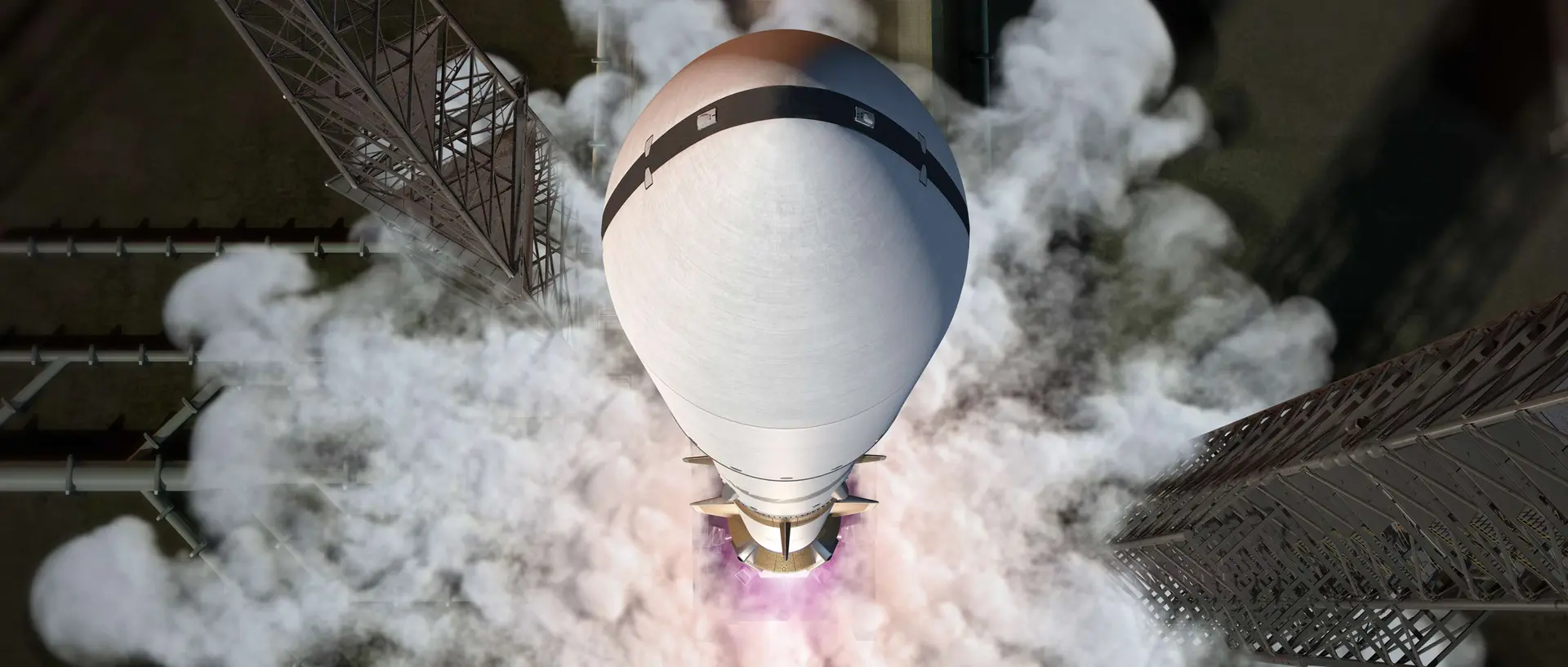
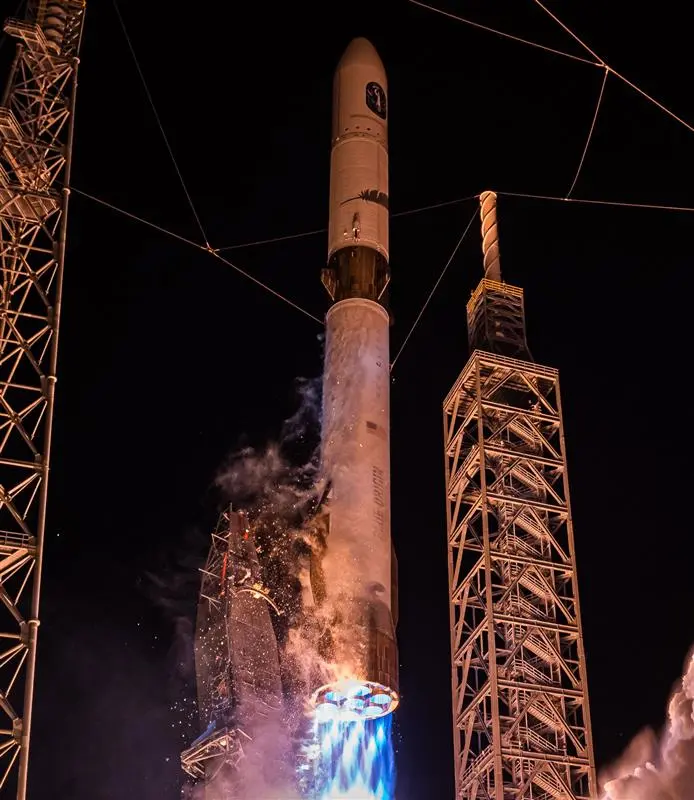
On the night of May 28, a massive explosion lit up the sky over Cape Canaveral, Florida. The vehicle involved was New Glenn, the giant rocket developed by Blue Origin, Jeff Bezos’ aerospace company. According to the company, an “anomaly” occurred during an engine test on the launch pad. Fortunately, no injuries were reported and all personnel were accounted for safely.
Beyond the technical investigation that will eventually determine the exact cause of the incident, the event raises a broader question that matters to organizations of every size, from startups to multinational corporations: what went wrong?
When a highly complex project experiences a failure of this magnitude, there is rarely a single cause. Risk management experts often agree that major accidents are usually the result of multiple factors coming together at the same time.
In industries such as aerospace, energy, mining, and advanced manufacturing, failures often emerge from an interaction between technology, procedures, leadership, training, and communication.
Technology Can Fail—But It Is Not Always the Only Cause
The first assumption after an explosion or industrial accident is usually a technical malfunction.
A defective component, an inaccurate sensor, a software issue, or a propulsion system anomaly can certainly trigger serious consequences.
However, operational management specialists frequently point out that technical failures are often connected to human decisions: incomplete testing, insufficient controls, aggressive schedules, or validation processes that failed to identify a potential risk.
That is why modern investigations no longer focus solely on “what part failed.” They also ask, “What allowed the failure to reach this point?”
The Pressure to Deliver
Organizations operating at the forefront of innovation work under enormous pressure.
There are launch schedules, customer commitments, investor expectations, and increasingly intense competition.
In the case of Blue Origin, New Glenn was expected to support future space missions and strategic projects related to lunar exploration and satellite deployment.
In any industry, when teams feel that deadlines cannot move, several well-known organizational risks can emerge:
- Reduced oversight.
- Team fatigue.
- Lower willingness to report concerns.
- Overconfidence.
- Rushed decision-making.
Business history is full of examples where major crises started with small warning signs that were overlooked or underestimated.
Why Organizational Culture Matters
Another critical factor is company culture.
The most successful organizations create environments where employees can challenge assumptions, raise concerns, and identify risks without fear of negative consequences.
When a company punishes mistakes or rewards only outcomes, employees may become less willing to speak up about potential problems.
High-performing organizations take a different approach. They promote what experts call psychological safety—the ability to express concerns even when they contradict the opinions of managers, executives, or project leaders.
In high-risk operations, that difference can be decisive.
Continuous Learning and Development
Innovation moves quickly.
Technologies evolve, systems become more complex, and employees must constantly update their knowledge and skills.
That is why leading organizations invest heavily in ongoing learning and professional development.
The goal is not only to strengthen technical expertise but also to improve capabilities such as:
- Problem-solving.
- Critical thinking.
- Effective communication.
- Risk management.
- Cross-functional collaboration.
Complex incidents repeatedly demonstrate that technical knowledge alone is not always enough.
What Businesses Can Learn
Although the investigation into the New Glenn explosion is only beginning, the event already offers valuable lessons for organizations across industries.
Every major incident serves as a reminder of the importance of reviewing processes, listening to employees, investing in training, and building cultures where transparency carries more weight than deadline pressure.
In an increasingly competitive world, many companies seek differentiation through technology, automation, and artificial intelligence.
Yet recent events continue to show that the human factor remains essential.
Behind every innovation are people who design, supervise, test, evaluate, and make critical decisions.
And when something goes wrong, the answers are rarely found in technology alone.
The real question is not simply what failed in a rocket. It is what organizations can do to prevent small mistakes from turning into major crises.
Because in every industry, the right talent, a strong culture, and well-designed processes remain just as important as the most advanced technology.