


After years of talking about LinkedIn, applicant tracking systems, virtual interviews, and artificial intelligence, one familiar job-search tool is quietly returning in the United States: the printed resume.
Yes, that single sheet of paper many job seekers thought had been permanently replaced by a PDF is becoming useful again. Not because companies are abandoning technology or online applications no longer matter, but because a printed resume complements today’s digital hiring process and helps candidates stand out during in-person interactions.
Whether at job interviews, career fairs, industry conferences, networking events, or professional meetings, handing someone a physical copy of your resume immediately connects your experience with your face, your conversation, and the first impression you leave behind.
In a job market where hundreds of candidates can apply for the same position within hours, that small gesture can help you become more than just another name in an online system.
Not Nostalgia—A Smart Strategy

The printed resume never completely disappeared. However, during the rise of remote work and virtual interviews, it became much less common. Now, as in-person recruiting returns and AI-generated resumes become increasingly widespread, printed copies are regaining strategic value.
Career centers at several U.S. universities still recommend bringing extra copies of your resume to face-to-face interviews. The University of Southern California, for example, advises candidates to arrive with additional copies of their resume and other application materials, along with a notebook and pen. The University of Missouri offers similar guidance for in-person interviews.
This isn’t simply about following tradition. Showing up prepared demonstrates organization, professionalism, and genuine interest in the opportunity.
An interviewer may not have your resume readily available, another hiring manager might unexpectedly join the meeting, or you could be introduced to additional members of the team. Having multiple copies prevents unnecessary interruptions and ensures everyone can follow the conversation with the same information.
The printed resume doesn’t replace the digital version—it solves a practical need during an in-person meeting.
Artificial Intelligence Changed the Value of the Resume
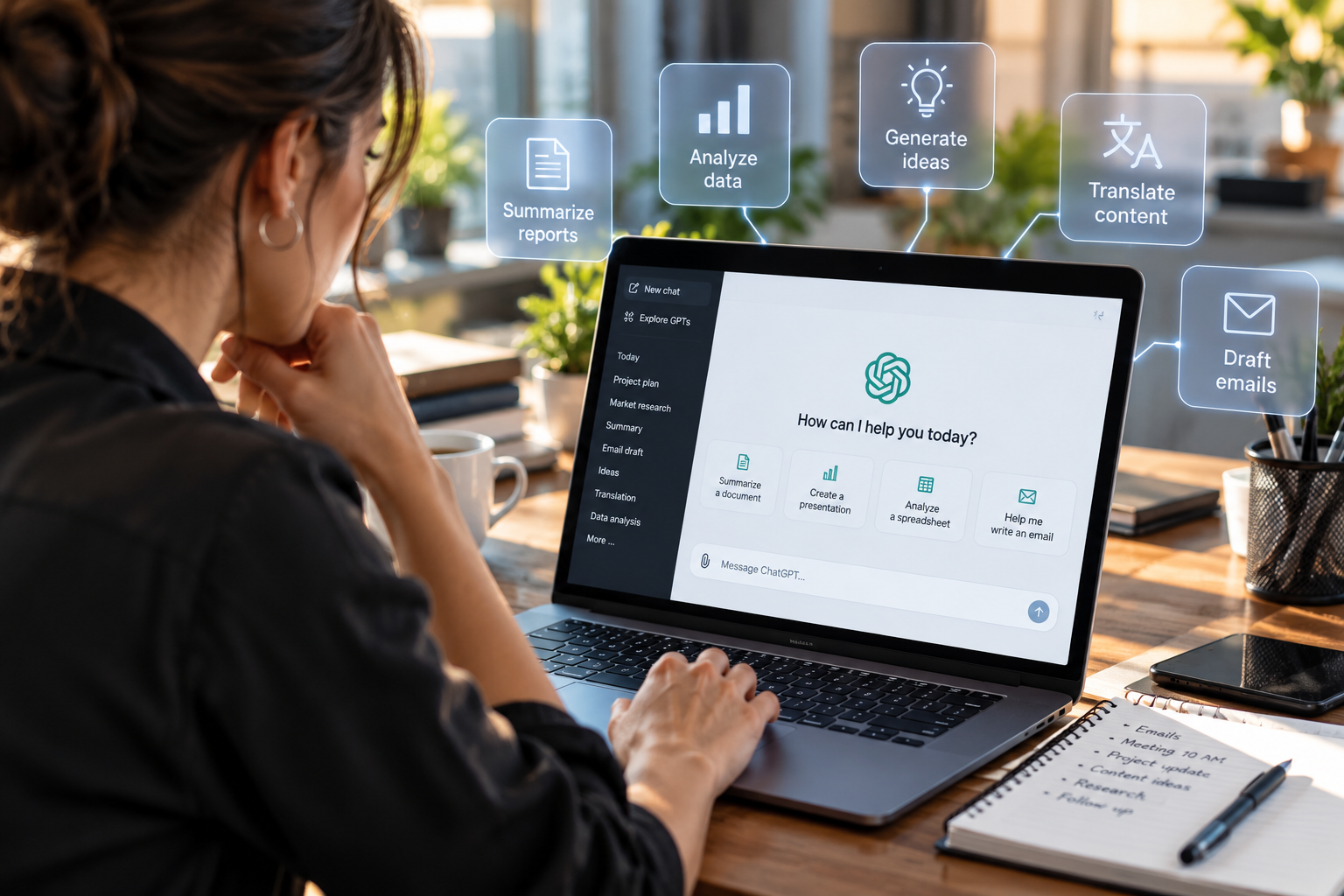
Artificial intelligence has made it easier than ever to write resumes, cover letters, and interview responses. It also allows candidates to tailor applications quickly for different job openings.
These tools can be incredibly helpful, especially for people who need assistance organizing their experience, improving their writing, or applying in a language that isn’t their native one. However, their widespread use has also created a new challenge: many resumes are beginning to sound alike.
The same structures, action verbs, professional phrases, and skills appear repeatedly. Expressions such as “results-oriented,” “excellent communication skills,” and “works well under pressure” often show up without concrete examples that demonstrate those abilities.
At the same time, employers are relying on increasingly sophisticated software to screen and rank applicants. A 2025 research study examining resume-to-job matching systems explored how automated tools compare a candidate’s experience with the requirements of a specific position.
In other words, today’s hiring process often involves candidates using AI to write their resumes while employers use AI to read, analyze, and filter them.
Amid that exchange between machines, face-to-face conversations become even more valuable. A printed resume isn’t important simply because it’s on paper—it matters because it’s handed over by someone who can explain their experience, answer questions, and communicate effectively in person.
Easier to Remember
At a career fair, company representatives may speak with dozens—or even hundreds—of candidates in a single day. By the end of the event, remembering every conversation becomes nearly impossible.
A printed resume can serve as a memory aid. Recruiters can jot down notes, highlight relevant skills, or remember that the resume belongs to the person who discussed a specific challenge or opportunity within their company.
Virginia Tech recommends bringing multiple copies of your resume to career fairs because employers often review candidates’ qualifications while the conversation is taking place. The university also notes that some employers may not accept printed resumes and instead require candidates to complete an online application.
Likewise, the University of Virginia updated its career fair recommendations in January 2026, encouraging students to tailor their resumes to the positions they’re seeking and to bring printed copies to networking events.
This demonstrates that paper doesn’t replace the hiring process. It simply opens the door to a stronger conversation—it isn’t a shortcut around the system.
Competition Remains Intense
The U.S. job market continues to be highly competitive. According to the Bureau of Labor Statistics, there were approximately 6.9 million job openings in March 2026.
While that sounds like a large number, those opportunities are spread across different industries, locations, experience levels, and specialties.
Having millions of job openings doesn’t guarantee that every candidate will quickly find the right role. Employers are looking for specific skills, and applicants often compete with people from across the country.
That’s why attending a career fair, expanding your professional network, or participating in an in-person interview can provide an advantage that online applications alone often cannot: the opportunity to personally explain the value you bring.
A resume handed over after a meaningful conversation extends that interaction. The recruiter no longer sees only a list of previous jobs—they also remember how you communicated, the questions you asked, and the genuine interest you showed.
When Should You Bring One?
A printed resume makes sense whenever there’s a realistic opportunity for face-to-face interaction.
Bring copies to in-person interviews, career fairs, networking events, industry conferences, university recruiting events, or meetings with company representatives.
It’s also wise to carry several copies. Even if your interview is scheduled with one person, additional managers or team members may unexpectedly participate.
On the other hand, showing up unannounced at company offices and handing out resumes generally isn’t an effective strategy. Many organizations have security procedures, hybrid workforces, and hiring policies that require every application to be submitted through an online platform.
Likewise, mailing a paper resume is rarely advisable unless the employer specifically requests it. The return of the printed resume is about enhancing personal interaction—not replacing digital hiring channels.
What Makes a Good Printed Resume?
Your printed resume should match the version you submitted online. Dates, job titles, contact information, and descriptions should all be identical.
Use clean white or neutral-colored paper, high-quality printing, and a simple, professional layout. There’s no need for expensive paper stock, flashy colors, or elaborate folders. The goal is readability and professionalism.
It’s also best to avoid overly long resumes. For many entry-level and mid-career professionals, one well-organized page is enough. Candidates with more extensive experience may need two pages, provided every detail is relevant to the position.
A practical addition is a discreet QR code linking to your LinkedIn profile, professional portfolio, or work samples. In that way, the printed resume becomes a bridge to your digital presence.
Digital and Human Can Work Together
The return of the printed resume isn’t a battle between paper and technology.
Today’s candidates can find a job online, tailor their resume with AI tools, submit an application through a hiring platform, research the employer on LinkedIn, and then bring a printed copy to the interview.
Each format serves a different purpose. The digital resume helps you enter applicant tracking systems, match keywords, and share information efficiently. The printed version supports the conversation and helps build a personal connection.
Perhaps it’s not accurate to say the printed resume ever died. It simply spent a few years sitting in a drawer while hiring moved almost entirely onto computer screens.
Now it’s making a comeback because today’s job market still depends on something no automated system can fully replace: a real person who can explain their experience, engage in a meaningful conversation, and demonstrate the value they bring.
After years in which everything seemed to happen with a click, one simple sheet of paper may once again make all the difference—not because it’s more powerful than artificial intelligence, but because it comes with something technology still can’t automate: a memorable first impression.