


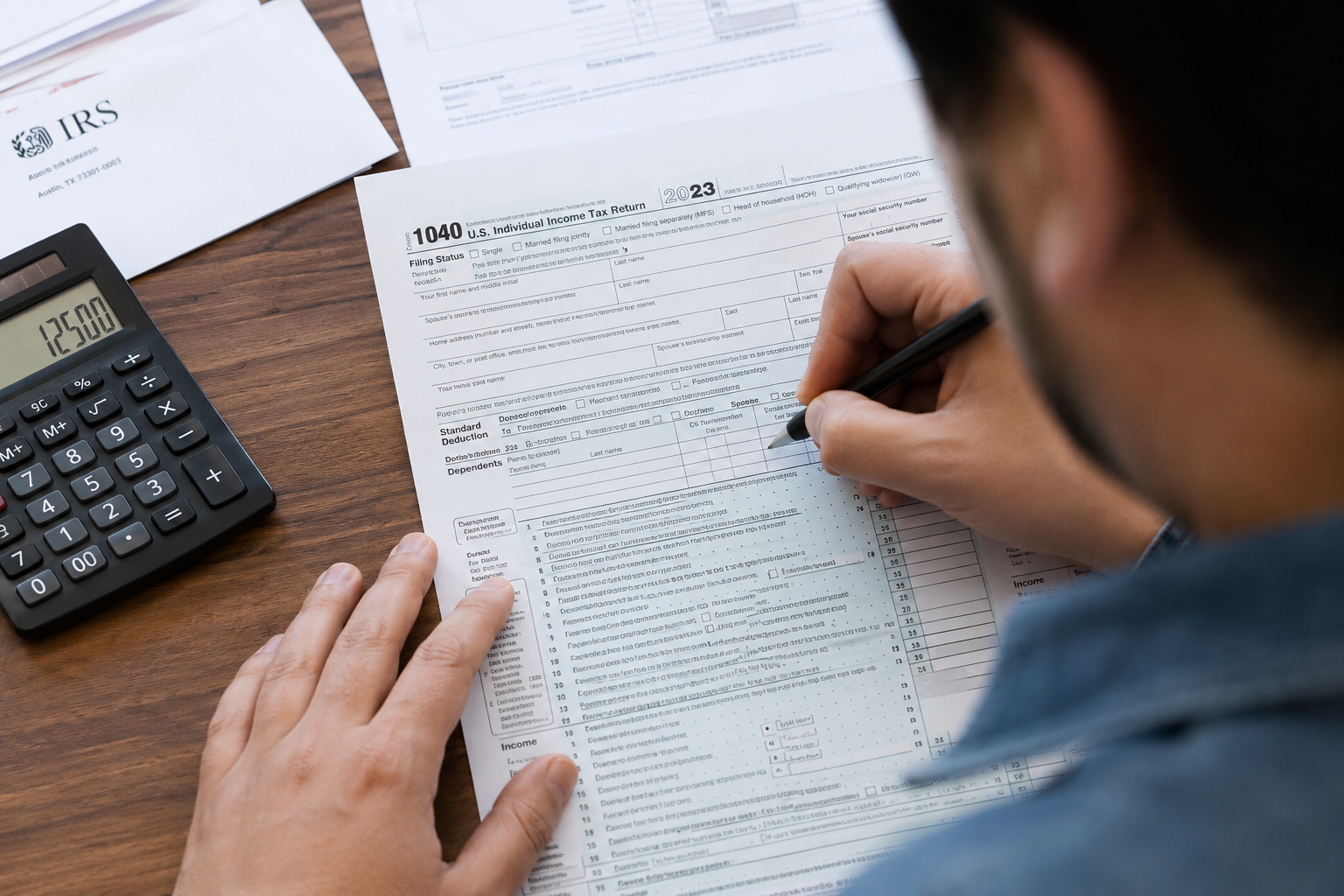
The 2026 tax filing season delivered positive results for most taxpayers across the United States. The Internal Revenue Service (IRS) processed nearly 139 million individual tax returns and issued more than 90 million refunds, thanks in large part to expanded digital services that streamlined much of the filing process.
However, the experience was not the same for everyone. A recent report from National Taxpayer Advocate Erin M. Collins found that thousands of taxpayers who needed direct assistance continued to face long wait times, communication challenges, and, in some cases involving identity theft or fraud, delays that stretched to nearly two years.
Technology sped up most tax filings
One of the biggest improvements during the 2026 filing season was the continued expansion of the IRS’s online services. Nearly 98% of tax returns were filed electronically, and almost all refunds were issued through direct deposit, significantly reducing processing times.
Millions of taxpayers also relied on the IRS’s online tools to:
- Check the status of their refund.
- Upload requested documents.
- Update banking information.
- Review IRS notices.
- Manage tax-related tasks without visiting an IRS office.
The popular Where’s My Refund? tool remained one of the agency’s most frequently used online resources, handling hundreds of millions of inquiries from taxpayers waiting for their refunds.
Complex cases remain the biggest challenge
While automation accelerated the processing of most returns, the report notes that problems continue to arise whenever a return requires manual review.
During the 2026 filing season, more than 14 million tax returns were flagged for additional review. In many cases, this was due to inconsistent information, possible errors, identity verification requirements, or suspected fraud.
More than one million taxpayers had to wait several additional weeks to receive their refunds, while victims of identity theft remained the group most affected by processing delays.
According to the report, hundreds of thousands of identity theft cases remain unresolved, with average resolution times approaching 20 months. For many families, these delays mean waiting far longer than expected to receive money they rely on for everyday expenses.
Mixed results for phone assistance
Another concern highlighted by the National Taxpayer Advocate was the difficulty many taxpayers experienced when trying to reach the IRS by phone.
The agency received more than 48 million phone calls during the filing season, although only a portion were answered by live representatives.
General customer service lines performed reasonably well, but taxpayers encountered much longer wait times when contacting specialized departments handling:
- Payment plans.
- Outstanding tax balances.
- Identity verification.
- Fraud investigations.
In some cases, callers waited for extended periods before speaking with an agent, while others were unable to connect at all.
Some taxpayers also experienced refund issues
The report identified another common problem involving direct deposit refunds. Thousands of taxpayers received notices stating that their banking information was incorrect or incomplete.
Although the IRS offered options to correct bank account information or request a paper check under certain circumstances, many taxpayers reported that the instructions were unclear and did not fully explain all available alternatives.
The National Taxpayer Advocate recommended improving taxpayer communications to help prevent unnecessary delays during future filing seasons.
A more digital IRS, without replacing human assistance
The report concludes that the IRS’s ongoing digital transformation is producing meaningful results by allowing millions of tax returns to be processed more quickly and efficiently.
At the same time, it emphasizes that technology cannot fully replace personalized service. Taxpayers dealing with identity theft, administrative errors, or refund disputes continue to require timely access to trained IRS employees.
Looking ahead, one of the agency’s biggest challenges will be maintaining technological improvements while continuing to provide high-quality support for taxpayers with more complex situations, especially as staffing levels decline.
What can taxpayers do to avoid delays?
Tax professionals recommend several simple steps to help reduce the likelihood of processing delays during future tax seasons:
- File your tax return electronically whenever possible.
- Choose direct deposit to receive your refund faster.
- Carefully verify that your banking information is accurate.
- Create an online IRS account to manage your tax information and receive notices.
- Keep all tax records organized and respond promptly if the IRS requests additional documentation.
While the 2026 tax season demonstrated significant progress through expanded digital services, the report makes one point clear: technology can speed up routine tax processing, but taxpayers with complex issues still need fast, reliable access to personalized assistance.