

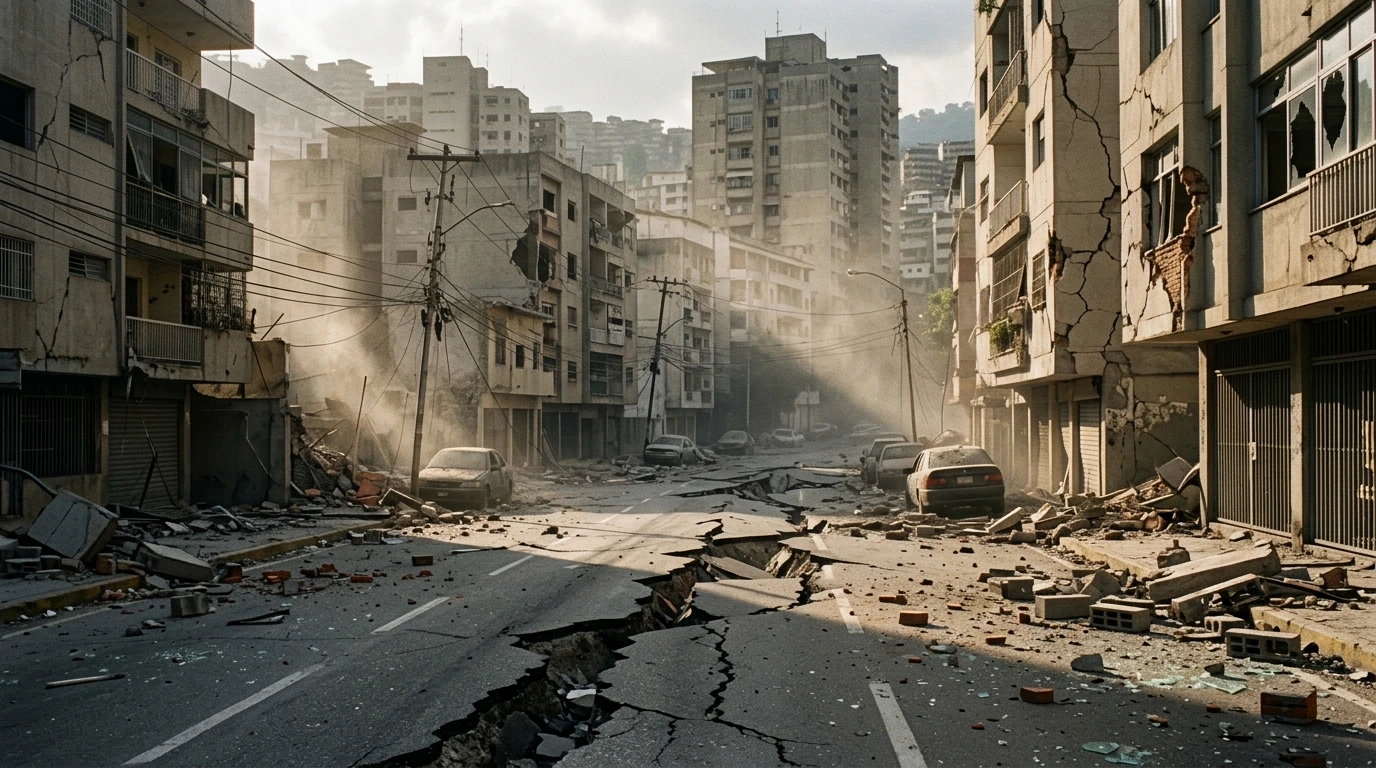
Venezuela is facing one of its most severe humanitarian emergencies in recent years following the powerful earthquakes that struck the country. Humanitarian organizations agree that financial donations and coordinated relief efforts are the fastest and most effective ways to help from the United States and across Latin America.
As search-and-rescue operations continue in the hardest-hit regions, thousands of people are looking for ways to support families who have lost their homes and livelihoods. However, disaster response experts emphasize that not every type of donation is equally useful during the first days after a major emergency.
Financial contributions allow relief organizations to purchase food, drinking water, medicines, fuel, medical equipment, and temporary shelter materials directly in or near the affected areas, reducing transportation delays and ensuring that assistance matches the communities’ most urgent needs.
Why You Shouldn’t Send Clothing or Food on Your Own
After a major earthquake, many people instinctively want to ship clothing, canned food, or medicine. While well-intentioned, humanitarian organizations explain that these donations often create additional logistical challenges.
Airports may be operating under emergency conditions, roads can be damaged, and warehouses quickly become overwhelmed. Every donated item must also be sorted, inspected, stored, and transported before reaching survivors.
For this reason, organizations such as the International Federation of Red Cross and Red Crescent Societies (IFRC) recommend cash donations whenever possible, allowing responders to adapt quickly as needs evolve.
🇻🇪#URGENTE – Un geólogo señalo a Infobae que los dos Terremotos que sacudieron a Venezuela, liberaron una energía equivalente a unas 260 bombas nucleares. pic.twitter.com/B1zvlCdDQg
— DatoWorld (@DatosAme24) June 25, 2026
Organizations Accepting Donations
People wishing to help can contribute directly to internationally recognized humanitarian organizations already working in Venezuela.
- Venezuelan Red Cross and the International Federation of Red Cross and Red Crescent Societies (IFRC), which have mobilized humanitarian supplies from their regional logistics hub in Panama while expanding emergency medical care and first-aid services.
- Caritas Venezuela, which is distributing food, medicines, and essential humanitarian assistance through its nationwide network of parishes and volunteers.
- Direct Relief, which is providing medicines, hospital supplies, and emergency medical equipment for healthcare facilities treating injured survivors.
- International Medical Corps, which has expanded its medical teams to provide emergency healthcare, mental health services, nutrition support, and access to safe drinking water.
- UNICEF, which is focusing on children and families by providing clean water, hygiene supplies, medical assistance, education support, and child protection services.
- World Central Kitchen, which has deployed field kitchens to prepare and distribute hot meals for survivors and search-and-rescue teams.
Shocking footage of the first minutes after the earthquake in Venezuela and the resulting destruction, as seen by mothers. pic.twitter.com/Rn2ls9XJcG
— S p r i n t e r (@SprinterPress) June 25, 2026
How to Help from the United States
The United States announced a $150 million humanitarian assistance package to strengthen the international response. In addition to financial support, U.S. agencies deployed urban search-and-rescue teams, logistical support, air transport assets, and emergency coordination personnel to help accelerate relief operations.
At the same time, Venezuelan communities in cities such as Miami, Doral, Houston, Orlando, and other metropolitan areas have launched donation drives collecting hygiene products, bottled water, non-perishable food, and medical supplies in coordination with humanitarian organizations.
Many U.S. employers also operate corporate matching gift programs, allowing companies to match employee donations and significantly increase the total amount contributed.
How to Help from Latin America
Relief efforts also began across Latin America within hours of the disaster.
Mexico deployed military rescue teams, search-and-rescue dogs, aircraft, drones, and medical personnel. El Salvador sent emergency response brigades and medical supplies, while Colombia, Ecuador, and several other countries mobilized specialized rescue teams and humanitarian assistance.
Individuals throughout Latin America can support these efforts by donating directly to recognized humanitarian organizations or participating in official fundraising campaigns organized by Venezuelan community associations, local governments, and relief agencies.
Beware of Fraud
Unfortunately, major disasters are often followed by fraudulent fundraising campaigns.
Before making a donation, verify that the organization has an official website, transparent reporting practices, and secure donation channels. Experts also recommend avoiding donation requests circulated exclusively through social media or messaging apps unless they originate from verified humanitarian organizations.
Recovery Will Continue Long After the Rescue Phase
Saving lives is the immediate priority, but rebuilding Venezuela will require months—if not years—of sustained support.
Hospitals, schools, homes, roads, water systems, and electrical infrastructure will need to be repaired, while thousands of families will require long-term assistance to rebuild their lives.
Humanitarian organizations emphasize that support should not end when media coverage fades. Continued donations will play a critical role in helping affected communities recover.
Can You Still Send Money to Family Members?
Yes. Despite the earthquake, international remittance services remain operational, allowing families abroad to continue sending financial support to relatives in Venezuela.
Major remittance providers, including Western Union, MoneyGram, Zinli, and Reserve, continue processing transfers to Venezuela through available banking and payment channels.
Another increasingly popular option is sending stablecoins such as USDT through cryptocurrency platforms like Binance. These transfers are often completed within minutes, allowing recipients to convert digital assets into bolívares or U.S. dollars through available local exchange services.
Remittances can help families purchase food, medicines, fuel, and other essential supplies. However, in areas experiencing prolonged power outages or telecommunications disruptions, access to banking services or electronic payment systems may be temporarily limited.
For that reason, experts recommend using only licensed financial providers, verifying current exchange rates before sending funds, and avoiding informal intermediaries offering unusually favorable exchange rates or unofficial transfer methods.