


The iconic US plastic kitchenware company and its “Tupperware party” business model became a cultural phenomenon. Now is done.
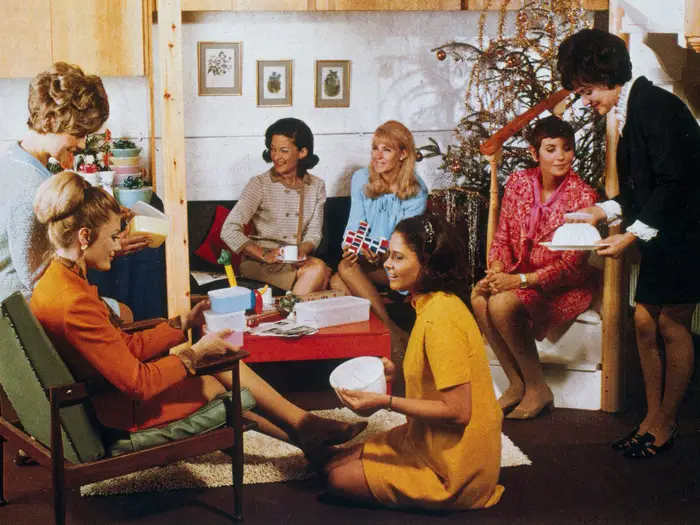
Tupperware Brands Co., a globally recognized name for its plastic food storage containers, has filed for Chapter 11 bankruptcy after facing years of declining popularity and financial hardships.
The company, which has been a staple in households for decades, is seeking to restructure and revamp its operations. According to Tupperware’s President and CEO, Laurie Ann Goldman, the company has struggled in recent years due to tough macroeconomic conditions.
Tupperware has been working to regain its footing after multiple quarters of declining sales and mounting losses. The COVID-19 pandemic added to the pressure, leading to rising costs for labor, shipping, and materials.
In its latest annual report, Tupperware revealed a significant 37% drop in net sales, cutting profits by $15.6 million, while reporting a $232.5 million loss in net income from 2021 to 2022. In April 2023, the company raised concerns about its ability to stay afloat, prompting efforts to secure additional financing.
To stave off further decline, Tupperware began collaborating with advisers to explore new funding avenues. Without fresh capital, the company risked employee layoffs and was considering reviewing its real estate holdings to save cash. Tupperware reached a deal with creditors to reduce its interest payments by $150 million.
Additionally, the company secured $12 million in new financing, extended the deadline on its $348 million debt, and reduced the debt by $55 million. Despite these efforts, Tupperware could not avoid filing for bankruptcy. In June, the company shut down its sole U.S. factory in South Carolina, resulting in 148 job losses, as per a filing under the Worker Adjustment and Retraining Notification Act.
Through the bankruptcy process, Tupperware hopes to gain court approval to keep its operations running and continue producing new products.
The brand also aims to protect its iconic status, planning a transformation into a more digitally-focused, tech-driven company.
A major phenomenon
The durable, sealable plastic containers were created by Earl Tupper, a businessman and chemist from New Hampshire who discovered a way to make flexible plastic out of an industrial byproduct that sealed as tightly as a paint can. In 1946, Tupper “had a spark of inspiration while creating molds at a plastics factory,” according to the company’s website.
But when his containers initially debuted, they didn’t catch on as the entrepreneur had hoped. Homemakers were skeptical of the cheap construction and oily texture and confused about the need to “burp” the containers to let out the air so they would seal properly.
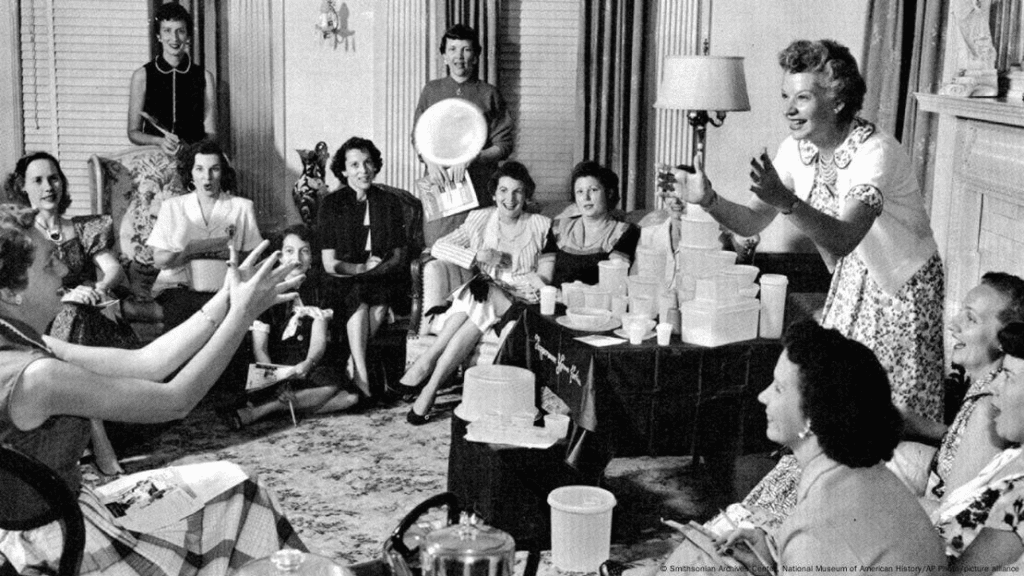
It took an army of amateur salespeople, primarily suburban women, to help the brand catch on. Thousands of women in the US, and eventually worldwide, started their own businesses selling the products at home gatherings known as Tupperware parties. The phenomenon swept across the US and peaked in the 1950s and ’60s.
Largely responsible for the success of the Tupperware empire was Brownie Wise, a single mother with little formal education whom Tupper took on as his vice president and head of sales. A marketing genius with a knack for sales, she helped revolutionize the brand with her unique marketing methods.
Wise had formerly worked for a cleaning product company called Stanley Home. She hosted what the company called “home parties,” gatherings of housewives and their friends to sell products. Wise quickly saw a market for Tupperware at such events, too.