

The upcoming U.S. presidential election will be a clash of visions that will impact the global economy for years to come.
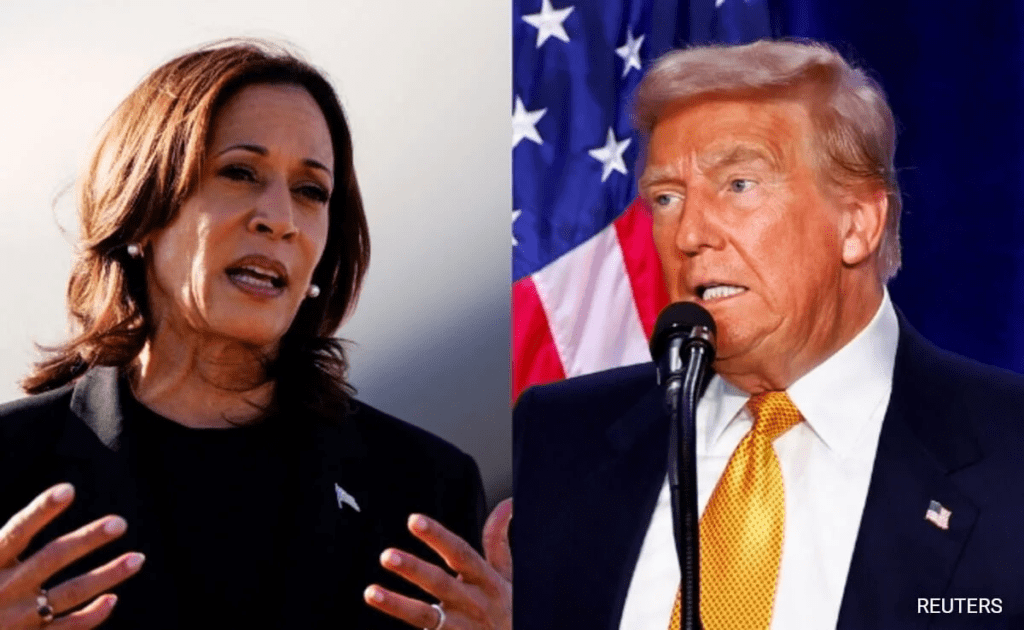
Kamala Harris and Donald Trump have, in some cases, avoided addressing key issues for major industries, such as technology.
Crucially, this includes how each candidate would handle antitrust efforts aimed at tech giants following the Biden administration’s increased enforcement.
These are five industries with the most at stake on Election Day:
1) Big Banks
The eight largest U.S. banks face the imminent requirement to hold more capital to better safeguard their solvency against a financial crisis. This would mean less money to pass on to shareholders through stock buybacks or dividends. Banks also argue that the new rule would restrict lending to consumers and businesses.
The presidential election will likely determine when the requirements take effect and how much additional capital they will need.
If Harris wins, U.S. regulators are likely to proceed with a Basel III provision, an international regulatory agreement made in response to the 2008 global financial crisis.
Large institutions like Bank of America, Goldman Sachs, Citigroup, Wells Fargo, and JPMorgan would face a 9% increase in capital requirements under a plan the Federal Reserve outlined last month. In a Democratic administration, Bloomberg Intelligence sees a 60% chance that the requirement will be finalized by the third quarter of 2025.
But if Trump wins, the regulatory effort would be delayed and ultimately softened significantly, said Isaac Boltansky, Managing Director of BTIG. Trump would also lean toward less regulation of the financial sector in other areas, he said.
Higher capital requirements typically reduce bank profits, though the final impact is hard to estimate until all details are finalized, Boltansky added.
2) Healthcare

Insurers like Centene and UnitedHealth face a projected $25 billion revenue drop in 2026 if the enhanced Obamacare subsidies are not extended when they expire at the end of next year, according to Bloomberg Intelligence estimates.
Harris and congressional Democrats strongly support extending the subsidies. It would not be a priority for Trump or Republicans, who have pledged to repeal and replace the Affordable Care Act, said Larry Levitt, Executive Vice President of KFF, a nonprofit health policy research group. Losing the subsidies would be “taking money out of the pockets of insurers and hospitals,” he said.
The subsidies help millions of Americans afford health insurance. The Congressional Budget Office projects that Obamacare enrollment could fall by 3.8 million people in one year if the enhanced subsidies are not extended.
However, greater Republican influence would likely reduce pressure on the pharmaceutical industry to negotiate lower prices for prescription drugs paid by Medicare, Levitt said.
3) Electric Vehicles
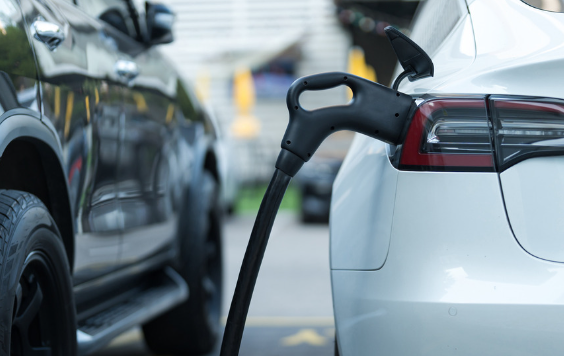
Electric vehicle (EV) manufacturers like Tesla and Rivian, and traditional automakers like General Motors, which have made large investments in this technology, have a lot riding on the presidential contest.
Both the tax incentives for consumer EV purchases and auto emissions regulations that encourage the production of cleaner vehicles are at risk.
A Harris victory means the federal tax credits of up to $7,500 for new EVs and $4,000 for used EVs would likely remain, while under a potential Trump administration, they could be eliminated or reduced through stricter “Buy American” program rules, according to Bloomberg Intelligence. Trump has made his intentions clear, promising to end Biden’s pro-EV policies “on day one.”
Trump has softened his rhetoric on EVs since receiving an endorsement from Tesla CEO Elon Musk. However, he continues to campaign against Biden’s policies, misleadingly calling them an “EV mandate.”
A Republican majority in both the House and Senate would be required to eliminate industrial subsidies for clean energy or consumer incentives, said Sarah Bianchi, Executive Director of Evercore ISI. The greatest risk is that Trump could use executive authority to limit them through regulatory changes, she noted.
4) Retail
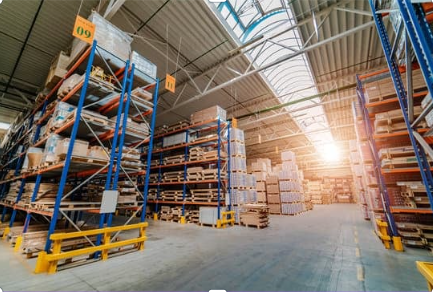
Retailers would face pressure from steep tariff hikes on consumer goods if Trump wins. Tariffs threaten to hit sales volumes and profit margins, with the greatest impact on goods made in China, Bloomberg Intelligence said in a note.
Trump has pledged to impose a 10% to 20% tariff on all imported goods and 60% on Chinese products, sparking a cycle of trade retaliation that could drive tariffs even higher. Retail is especially exposed since tariffs would affect a broad range of goods, said Henrietta Treyz, Managing Partner at Veda Partners, an investment advisor.
Ninety-seven percent of the clothing sold in the U.S. is imported, as is 98% of footwear, according to the American Apparel & Footwear Association. Over 90% of consumer electronics sold in the country are imported, according to the Consumer Technology Association.
China dominates the market, accounting for more than one-third of imported clothing, over half of imported footwear, 79% of laptops, 78% of smartphones, and 87% of video game consoles, according to industry trade groups.
It’s unlikely Harris would raise tariffs across entire categories as Trump plans to do; instead, she would focus on specific sectors, product lines, and export controls, said Treyz.
Tariffs are paid by importers, but higher costs are mostly passed on to retailers and American consumers.
5) Energy

Oil, gas, and coal producers would benefit in many ways from a Trump victory, and even more so if Republicans also take control of Congress. Clean energy producers would benefit from Harris and the Democrats, while offshore wind energy would be especially at risk if Trump is elected.
Trump has promised to reverse the Biden administration’s pause on new licenses needed to widely export liquefied natural gas. More than a dozen multi-billion-dollar projects, including Venture Global LNG Inc.’s CP2 project in Louisiana, are awaiting permits. Expanded export capacity would boost prices and sales volumes for U.S. natural gas producers, according to Energy Information Administration forecasts.
Additionally, Trump says he will “end” Biden’s regulations limiting carbon dioxide emissions from coal and gas power plants, extending the life of more fossil fuel-burning plants. Biden’s measures requiring oil and gas companies to spend more to limit methane emissions are also vulnerable, and Trump would seek to reduce overall regulatory burdens on energy companies, lowering their costs.
However, it’s unlikely that Trump could persuade U.S. oil producers to significantly increase drilling and extraction. The country’s oil production is already at record highs, and investors would resist calls to spend money to pump more at the expense of dividends and stock buybacks.
While the Biden administration has fast-tracked funding for its landmark climate law, Trump would likely attempt to scale back the scope of subsidies and tax credits by rewriting regulatory rules, said Kevin Book, Managing Director of the Washington consultancy ClearView Energy Partners LLC.
The former president has been particularly hostile to offshore wind energy. Proposed projects risk being denied necessary approvals, and even approved projects could be in jeopardy.