

Microsoft is reportedly preparing another workforce reduction that could affect around 5,000 employees beginning as early as next week. According to multiple U.S. media reports, the cuts are expected to impact sales, consulting, services, and parts of the Xbox gaming division.
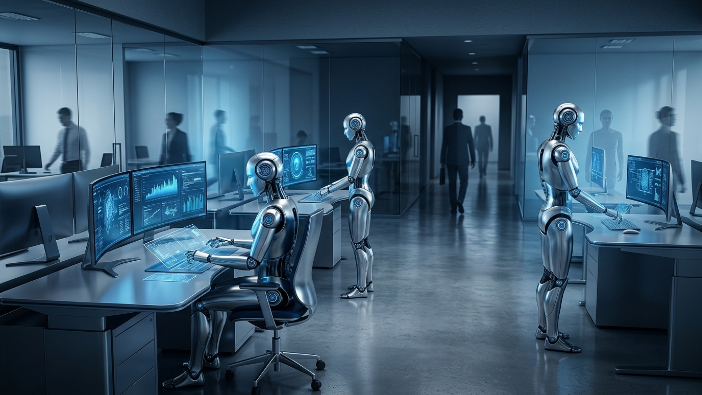
While the numbers have attracted headlines, the bigger story is what they reveal about the evolving job market. Rather than simply reducing headcount, major technology companies are redesigning their organizations to prioritize artificial intelligence.
AI Is Reshaping Organizations, Not Just Automating Tasks
For decades, technological innovation primarily automated repetitive or manual work. Generative AI is changing that equation.
Today, AI-powered tools can assist with administrative functions, customer support, data analysis, software development, content creation, and many other knowledge-based tasks. As a result, companies are reevaluating which roles they need, how work is organized, and where future investments should be directed.
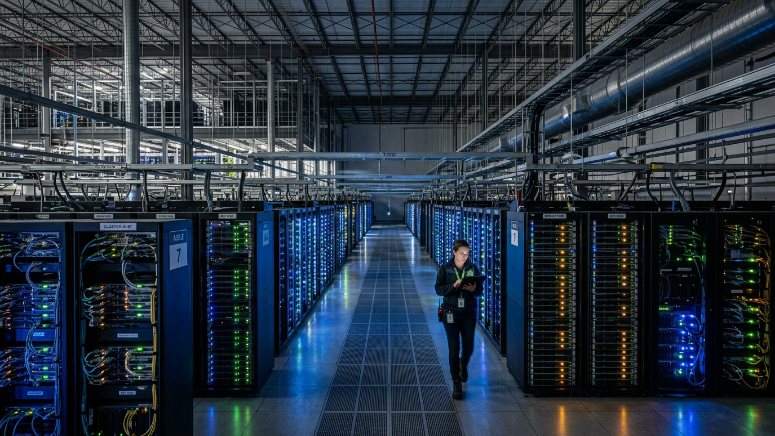
Microsoft has made artificial intelligence a central pillar of its long-term business strategy, investing billions of dollars to integrate AI across its products, cloud services, and enterprise solutions.
The reported restructuring reflects that strategic shift.
A New Workforce Trend: Redeployment Instead of Replacement
One of the most notable aspects of Microsoft’s reported restructuring is that some affected employees may be offered different positions within the company.
This highlights an emerging workforce trend. Rather than replacing employees one-for-one, organizations are eliminating certain roles while creating entirely new positions focused on artificial intelligence, automation, cybersecurity, cloud computing, and advanced data analytics.
The workforce is not simply shrinking—it is being reshaped.
The Skills Employers Are Prioritizing
As AI becomes embedded in everyday business operations, employers are increasingly looking for professionals who know how to work alongside intelligent technologies rather than compete with them.
Among the fastest-growing skills are:
- AI literacy and the ability to use generative AI tools.
- Data analysis and interpretation.
- Process automation.
- Critical thinking and AI output validation.
- Digital project management.
- Adaptability and continuous learning.
Technical expertise remains important, but employers are placing growing value on professionals who can quickly adapt as technology evolves.
What This Means for Employers and Job Seekers
For employers, hiring is becoming less about filling existing positions and more about identifying candidates who can thrive in rapidly changing environments.
For professionals, continuous learning has become a career necessity rather than an advantage.
Industry analysts increasingly agree that artificial intelligence is unlikely to eliminate entire professions overnight. Instead, it will transform the way most jobs are performed, requiring workers to develop new technical and strategic capabilities.
Why HR Leaders Should Pay Attention
Microsoft’s reported layoffs represent more than an isolated corporate decision. They illustrate a broader transformation that is reshaping workforce planning across industries.
Human Resources leaders are now facing new challenges: identifying future-ready talent, investing in upskilling programs, redesigning organizational structures, and helping employees successfully adapt to AI-driven workplaces.
For recruitment firms and companies hiring international talent, the message is increasingly clear. Digital skills, technological adaptability, and a commitment to lifelong learning are becoming essential hiring criteria.
The question is no longer whether artificial intelligence will change the workplace. The real question is how quickly organizations and professionals will adapt to this new reality.