

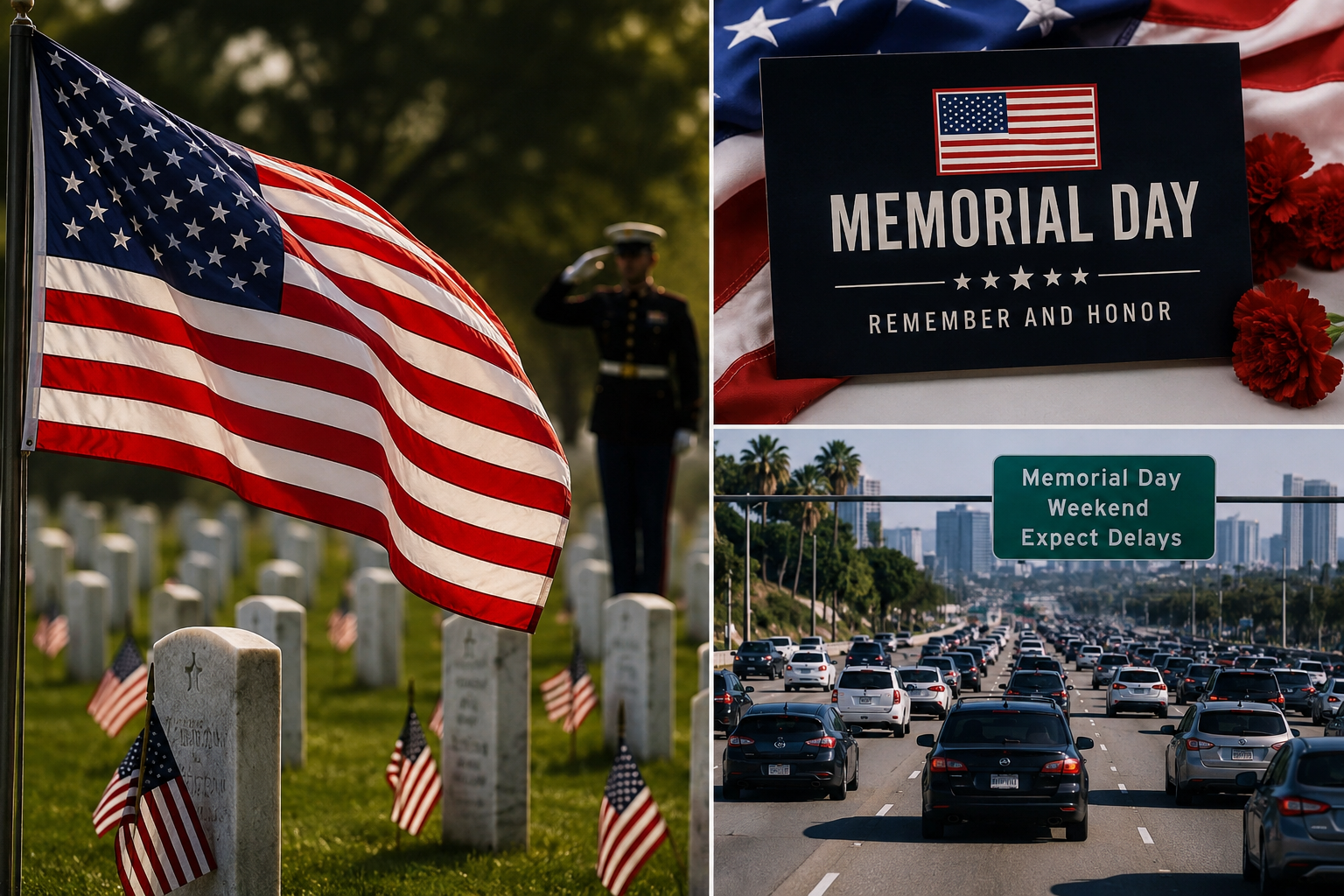
Every year, the last Monday of May completely transforms movement across the United States. Highways become congested, airports operate near maximum capacity, and cities experience a major increase in tourism and travel activity.
But behind the long weekend and economic movement lies a much deeper meaning.
Memorial Day was created as a national day of remembrance honoring U.S. military personnel who died while serving in the Armed Forces. Unlike Veterans Day, which recognizes all military veterans, Memorial Day is specifically dedicated to those who lost their lives in service.
Across the country, ceremonies, parades, memorial events, and tributes at military cemeteries are held to honor those who died in conflicts throughout American history.
The Unofficial Beginning of the American Summer
Beyond its historical and emotional significance, Memorial Day traditionally marks the beginning of the summer season in the United States.
That creates an immediate impact on industries such as tourism, hospitality, restaurants, logistics, transportation, retail, and entertainment.
Families take advantage of the long weekend to travel, organize gatherings, attend sporting events, visit beaches and national parks, or explore different cities across the country.
Travel industry projections indicate that tens of millions of people are expected to travel during Memorial Day 2026, making it one of the busiest travel periods of the year.
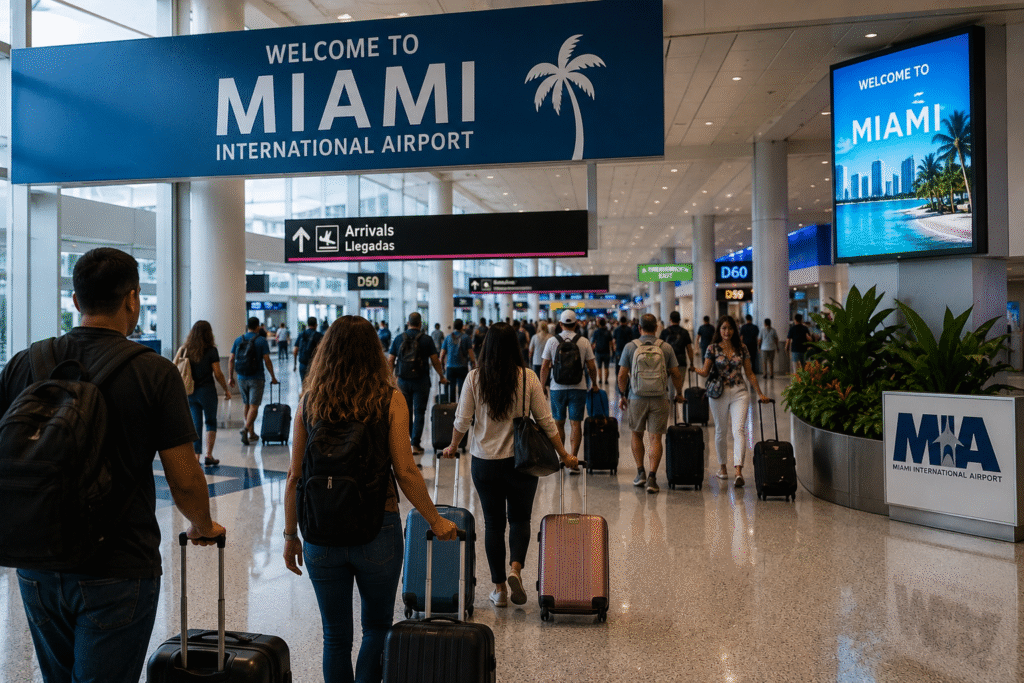
Airports in cities such as New York, Miami, Los Angeles, Dallas, Chicago, and Atlanta often experience some of the highest passenger traffic levels of the entire season.
At the same time, major interstate highways typically face heavy delays and increased traffic from Thursday before the holiday through Monday night.
The Impact on Jobs and Businesses
Memorial Day also represents a key moment for the U.S. labor market.
Many companies begin their summer seasonal hiring during these weeks to respond to increased demand in customer service, tourism, logistics, restaurants, retail, and operations.
Transportation and distribution sectors often expand staffing to manage higher shipping volumes, inventory movement, and supply chain activity associated with the beginning of the peak summer season.
In tourist destinations, hotels, bars, restaurants, and shopping centers significantly increase operational needs.
For businesses that work with remote, bilingual, or international talent, this period also becomes a major test of coordination and operational efficiency.
The economic activity generated during Memorial Day frequently creates both temporary and permanent job opportunities in areas connected to service, administration, customer support, logistics, and operations.
A Holiday That Both Stops and Moves the Country
Although many Americans associate the weekend with travel and family gatherings, Memorial Day continues to carry a strong emotional and patriotic meaning.
American flags appear outside homes, public buildings, and businesses. Many communities organize local ceremonies and activities honoring veterans and military families.
There is also a national tradition known as the National Moment of Remembrance, which invites Americans to observe a minute of silence at 3:00 p.m. local time in honor of fallen service members.
The holiday occupies a central place in American cultural identity and remains one of the country’s most respected national commemorations.
What Memorial Day Means for Those Working With the U.S.
For international companies, professionals, and workers connected to the U.S. market, understanding the meaning of Memorial Day is important both culturally and operationally.
During this period, business hours, logistics operations, delivery schedules, customer response times, and work dynamics may change significantly.
It is also one of the clearest examples of how domestic movement in the United States simultaneously affects transportation, employment, tourism, and economic activity.
In many industries, Memorial Day serves as an early indicator of how the summer season may perform in terms of consumer spending, travel demand, and job creation.
A Day of Memory and Recognition
Beyond travel, shopping promotions, and recreational activities, Memorial Day remains above all a day of collective remembrance.
Every year, millions of Americans use this date to recognize the sacrifice of those who died serving the country and to support the military families who continue to preserve their memory.
As the United States prepares for one of the busiest weekends of the year, Memorial Day continues to remind the nation that behind the economic and tourism activity lies a history of service, sacrifice, and national tribute.