



Arthur Brooks, a renowned professor at Harvard University and an expert in the scientific study of happiness and longevity, asserts that happiness isn’t a destination—it’s a skill cultivated daily through conscious habits.
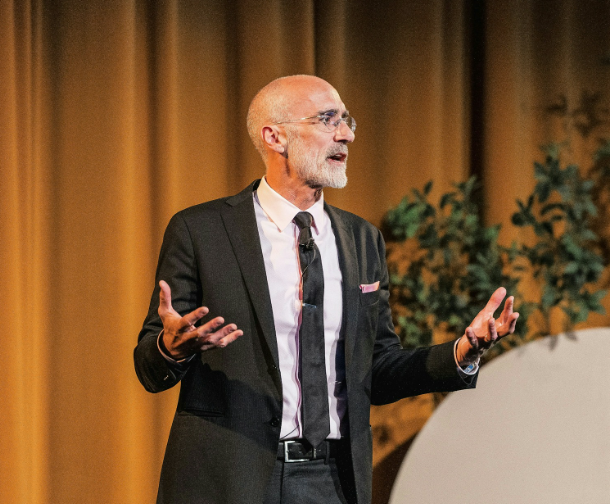
Arthur Brooks, a renowned professor at Harvard University and an expert in the scientific study of happiness and longevity, asserts that happiness isn’t a destination—it’s a skill cultivated daily through conscious habits.
Brooks, a recognized scholar and expert in the field, argues that the happiest people in the world don’t achieve that state by chance; rather, they consistently practice four fundamental pillars.
In a recent appearance, the “happiness guru” shared the secret to a full and joyful life: “The happiest people do four things every day. They practice their faith, they are close to their families, they have friends—real friends, not friends of convenience—and they take their work seriously, getting meaning from it, which comes from feeling like they are earning their success, creating value, and serving others.”
The Harvard professor emphasizes that the key lies in the quality of our connections and the sense of purpose we find in our daily activities.
Here are the four daily habits for lasting happiness:
- Practice Your Faith: Understood as spirituality or the practice of beliefs, this pillar reinforces the feeling of belonging and purpose—key factors for a long and satisfying life.
- Stay Close to Family: Strong family bonds are crucial for emotional well-being and resilience.
- Build Real Friendships: Brooks cautions against superficiality. It is vital to have “real” friends with whom you can share important moments and difficulties, not just a large network of acquaintances.
- Find Meaning in Your Work: Work should be perceived as a source of value and service to others. Real success is found in contribution, in “creating value for society.”
Emotional well-being stems from our daily choices and how we build our human environment. While genetics plays a role, resilience and happiness are cultivated through these coherent habits and genuine connections.