

For millions of people worldwide, the Fédération Internationale de Football Association (FIFA) is much more than the organization behind the World Cup. Behind every tournament, development program, social initiative, and technology project is a global workforce made up of hundreds of professionals from a wide range of disciplines. But what is it really like to work for FIFA? What types of candidates does the organization seek, and what qualifications are needed to become part of it?
With the 2026 FIFA World Cup approaching and operations expanding in cities such as Miami, Zurich, Paris, and Rabat, interest in FIFA career opportunities has grown significantly.
A Global Organization with a Worldwide Presence
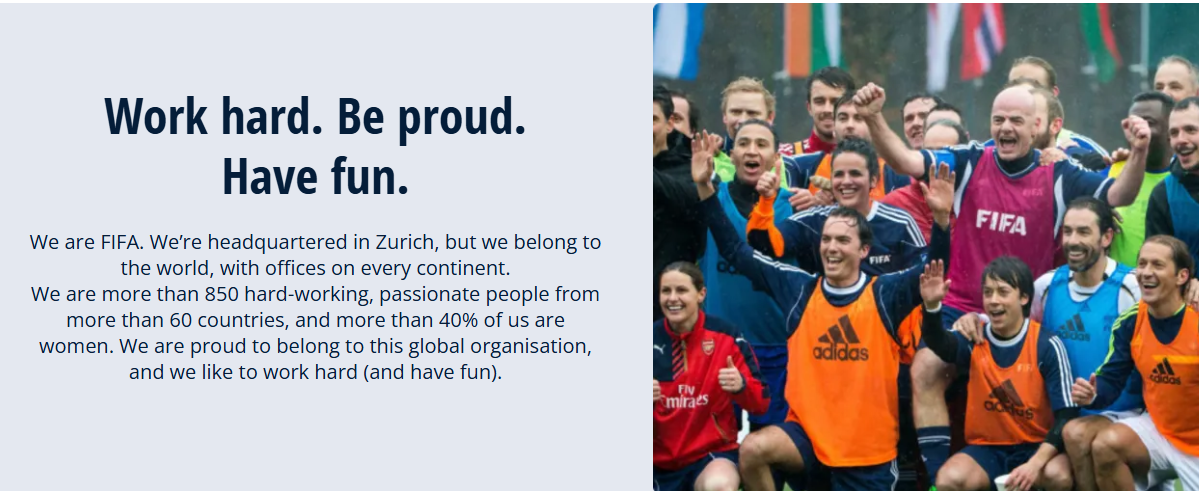
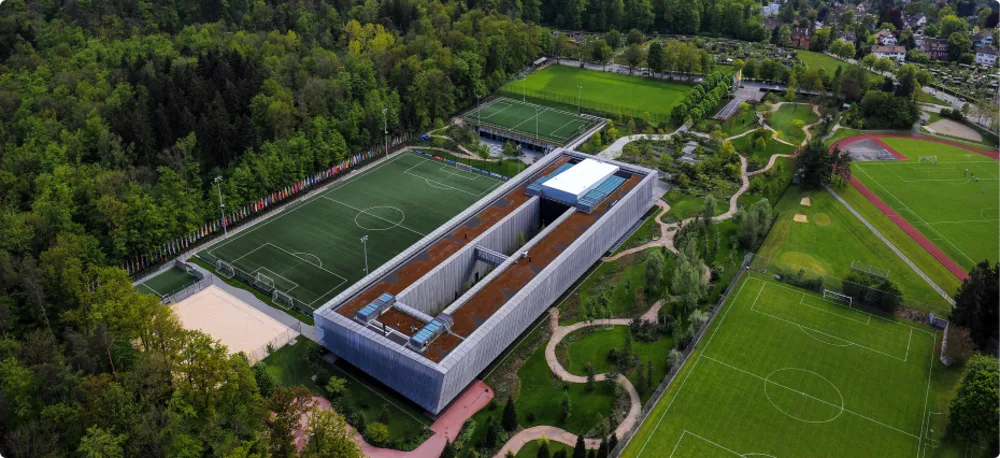
FIFA is headquartered in Zurich, Switzerland, but its operations extend across every continent. The organization employs more than 850 people from over 60 countries and maintains offices throughout Europe, the Americas, Africa, Asia, and Oceania.
In addition to its main offices in Zurich, Paris, Miami, and Rabat, FIFA operates regional offices in Barbados, India, Malaysia, New Zealand, Panama, Paraguay, Senegal, the Democratic Republic of the Congo, South Africa, and the United Arab Emirates.
This international structure allows FIFA to support national football associations, organize competitions, and promote football development programs worldwide.
FIFA Hires More Than Football Experts
One of the biggest misconceptions about working for FIFA is that applicants must have a background as a player, coach, or sports executive. In reality, the organization recruits professionals from many different industries.
Career opportunities exist in areas such as:
- Business administration
- Finance and accounting
- Marketing and communications
- Human resources
- Technology and innovation
- Cybersecurity
- Data engineering
- Sports and corporate law
- International relations
- Sustainability
- Event operations and logistics
- Infrastructure
- Project management
- Sports medicine
- Social and community development
In other words, many of the same skills sought by major multinational corporations are also highly valued within FIFA.
The Qualifications FIFA Values Most
While requirements vary by position, several qualifications consistently appear across FIFA job postings.
Academic Background
Most positions require a university degree related to the field of work.
Common areas of study include:
- Business Administration
- Economics
- Finance
- Law
- Communications
- Engineering
- Data Science
- Human Resources
- International Relations
- Sports Management
For senior and specialized positions, postgraduate degrees and international certifications are often considered an advantage.
Language Skills
English is considered essential for most FIFA positions.
Additional languages can provide a significant advantage, particularly:
- French
- Spanish
- German
- Arabic
The ability to work effectively in multicultural environments is one of the organization’s most valued attributes.
International Experience
Because FIFA operates globally, candidates with international experience often stand out.
Experience with multinational companies, international organizations, sports federations, or global projects can be particularly attractive to recruiters.
Professional Skills
Beyond technical expertise, FIFA looks for professionals who demonstrate:
- Teamwork
- Adaptability
- Innovation
- Leadership
- Strong communication skills
- Problem-solving abilities
- Project management capabilities
- Results-oriented thinking
What Is the Work Environment Like?
FIFA describes its workplace culture with a simple philosophy: “Work hard. Be proud. Have fun.”
The organization places a strong emphasis on diversity and inclusion. More than 40% of its workforce is female, and employees represent dozens of nationalities from around the world.
Projects often involve collaboration across multiple countries and time zones, creating a truly international work environment. During major events such as the FIFA World Cup and FIFA Women’s World Cup, work intensity can increase substantially due to the scale and complexity of operations.
Employee Benefits
In addition to the opportunity to contribute to some of the world’s largest sporting events, FIFA offers a range of employee benefits, including:
- Generous vacation allowances
- Continuous learning and development programs
- Professional training opportunities
- Performance-based bonuses
- Pension plans
- Volunteer programs
- Health and fitness benefits
- Hybrid work arrangements, including up to two days of remote work per week depending on the role
- Support for public transportation use
The organization also promotes a healthy work-life balance, particularly for employees in permanent office-based positions.
Are There Temporary Jobs for the World Cup?
Yes. Every FIFA World Cup creates thousands of temporary employment opportunities related to:
- Logistics
- Operations
- Hospitality
- Technology
- Guest services
- Transportation
- Security
- Communications
- Accreditation services
- Event management
With the 2026 FIFA World Cup taking place across North America, demand for temporary and specialized staff is expected to be particularly high.
Where Can You Apply?
FIFA publishes job openings through its official careers portal, where applicants can find permanent positions, internships, and event-related opportunities around the world.
For professionals who want to combine an international career with a passion for sports, FIFA offers one of the most unique employment opportunities available today. However, beyond a love for football, success often depends on professional qualifications, international experience, language skills, and the ability to thrive in a multicultural organization operating on a global scale.