

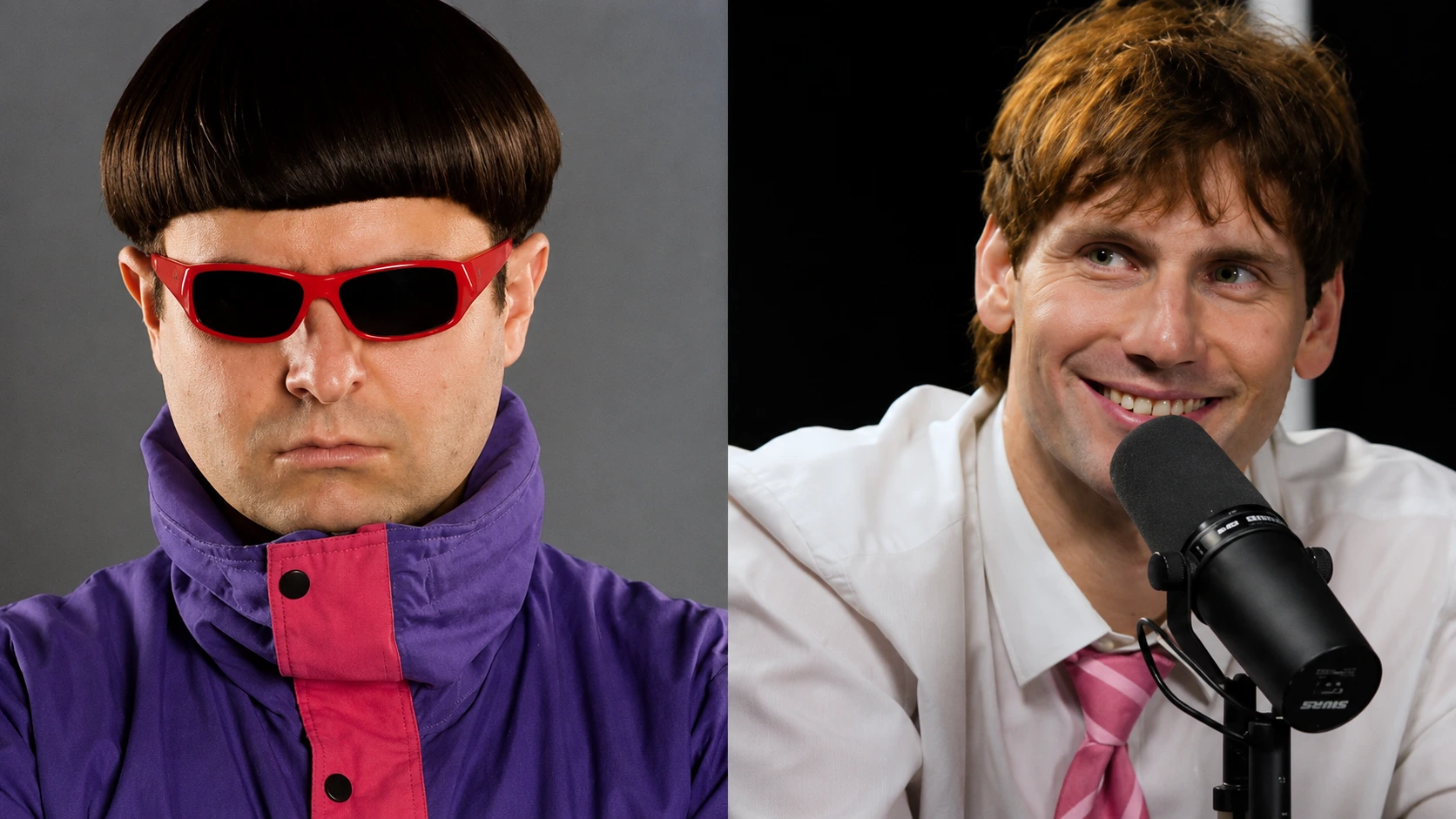
The deaths of Oliver Tree and Gaspar Prim Díaz, known worldwide as Gaspi, shocked millions of followers across the globe this weekend.
Both men were among six people killed after two helicopters collided over Rio de Janeiro, Brazil. The accident occurred Sunday morning in the Recreio dos Bandeirantes neighborhood and triggered a major fire after the aircraft crashed into an electric vehicle dealership.
As Brazilian authorities investigate the cause of the tragedy, the news has sparked a broader conversation about the realities of modern digital careers and the risks that often remain hidden behind social media success.
Behind every viral video, international tour, sponsored post, or livestream is a professional whose work increasingly involves travel, public appearances, and high-pressure schedules.
A Profession That Didn’t Exist Two Decades Ago
For decades, when people thought about high-risk professions, they typically pictured pilots, construction workers, firefighters, or law enforcement officers.
Today, the digital economy has created entirely new careers that generate billions of dollars and employ millions of people worldwide.
Influencers, streamers, YouTubers, podcasters, and content creators now form a global industry that depends on constant visibility, frequent travel, audience engagement, and the ability to consistently produce content that captures attention.
Many creators work across multiple cities and countries within a single month. They attend conferences, festivals, brand events, media appearances, and production shoots that require continuous mobility.
Their schedules often resemble those of international executives, touring musicians, or professional athletes.
What began as a hobby for many creators has evolved into a full-time profession with commercial contracts, production teams, management structures, and global audiences.
Who Were Oliver Tree and Gaspi?
Oliver Tree, born in Santa Cruz, California, was one of the most recognizable alternative artists in the United States.
With nearly 20 million followers across social media platforms and more than 11 million monthly listeners on Spotify, he built a global career through a unique combination of music, humor, visual creativity, and unconventional storytelling.
In the days before the accident, Tree had been sharing content from Brazil, where he documented local culture, sports activities, and tourist attractions for his audience.
Gaspar Prim Díaz, better known as Gaspi, represented a new generation of Latin American digital creators.
At just 23 years old, he had become one of Argentina’s most popular internet personalities thanks to his street interviews, distinctive humor, and spontaneous style.
His growth was remarkable. What started as social media content eventually became a professional career involving production teams, sponsorships, media appearances, and international projects.
Together, Oliver Tree and Gaspi embodied a generation that turned internet content into a legitimate career path.
The Hidden Side of Digital Work
Social media usually shows only the final product.
Audiences see videos, concerts, interviews, photos, and livestreams, but they rarely see the logistical effort required to produce that content.
Behind a single post may be international flights, long production days, travel between cities, meetings with brands, content planning sessions, and coordination among multiple teams.
Success in the creator economy often depends on consistency and visibility.
Algorithms reward frequency, engagement, and constant activity. Audiences expect creators to remain active, responsive, and relevant at all times.
As a result, many digital professionals operate without traditional work schedules and face levels of pressure that are often underestimated by the public.
Experts in workplace wellness have increasingly pointed to burnout, stress, and work-life balance challenges as significant concerns within the creator economy.
Why Risk Management Matters
The tragedy also highlights the importance of discussing risk management in modern careers.
Large corporations typically establish travel policies, emergency procedures, insurance coverage, and safety protocols for employees who travel frequently or work in high-exposure environments.
Many independent creators, however, operate without similar support structures.
Travel planning, insurance protection, personal security, emergency preparedness, and crisis management are topics that have historically been associated with large organizations but are becoming increasingly relevant for influencers, artists, entrepreneurs, and content creators.
As the creator economy continues to expand, human resources specialists believe these conversations will become more important.
Professional success is no longer measured solely by audience size or revenue growth. It also depends on creating sustainable careers that prioritize personal well-being and safety.
A Lesson for the Future of Work
Beyond the emotional impact of the news, the deaths of Oliver Tree and Gaspi offer a broader reflection on how work itself is changing.
Digital careers provide extraordinary opportunities. They allow people to build global audiences, work from anywhere, and transform creativity into a profession.
But they also come with responsibilities, pressures, and risks that often remain invisible to followers.
The tragedy in Rio de Janeiro serves as a reminder that behind every influencer, musician, streamer, or content creator is a professional navigating demanding schedules, constant travel, and real-world challenges.
As the workforce becomes increasingly digital, understanding and managing those risks will be just as important as mastering social media platforms, creating engaging content, or building an online audience.
Because the future of work depends not only on innovation and creativity, but also on protecting the people who make that future possible.