



For decades, global power was primarily associated with the size of a company, the number of employees it managed, or the value of a personal fortune. Today, however, the definition of influence has changed. Real power is increasingly linked to the ability to drive change, foster innovation, and create meaningful impact across multiple sectors.
That is one of the key conclusions emerging from the 2026 edition of Forbes’ Iconoclast 50, a ranking that recognizes the 50 most influential people in the world across technology, business, sports, entertainment, finance, and philanthropy.
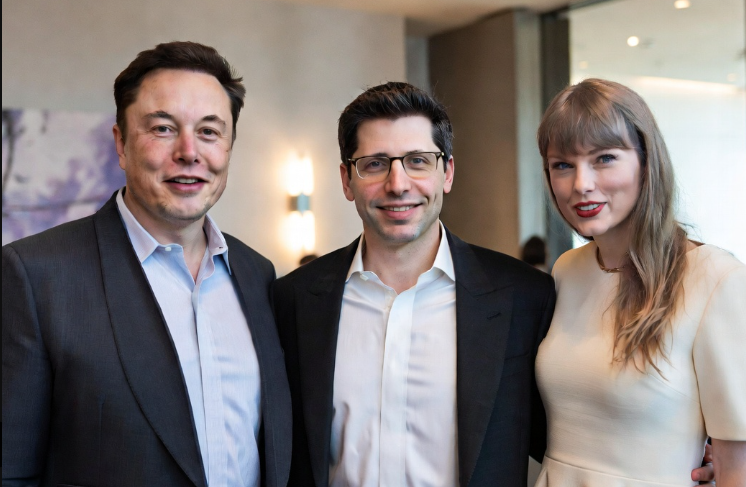
The list features globally recognized names such as Elon Musk, Sam Altman, Taylor Swift, Mark Zuckerberg, Jensen Huang, Satya Nadella, and Bad Bunny. At the same time, it highlights less visible leaders whose decisions and innovations are reshaping entire industries behind the scenes.
What makes the ranking particularly interesting is that Forbes did not simply select the wealthiest individuals. The primary criterion was identifying those who have changed the rules of the game over the past several years.
The Common Denominator: Creating Change Before Everyone Else
When examining the profiles of the leaders included in the ranking, one recurring characteristic stands out: they all anticipated major trends before the rest of the market.
In technology, for example, artificial intelligence has become a driving force behind many of today’s business decisions. Sam Altman, CEO of OpenAI, has emerged as one of the most influential figures on the planet thanks to the explosive growth of ChatGPT and the rapid expansion of generative AI.
A similar story can be found in Jensen Huang, founder and CEO of Nvidia. For years, Nvidia was primarily known for producing graphics processors for gaming. Today, it sits at the center of the AI revolution and has become one of the most valuable companies in the world.
The lesson is clear: leaders who successfully navigate technological change often build competitive advantages long before the broader market fully understands where the future is headed.
Influence Extends Beyond Business
Another notable aspect of the ranking is that modern influence increasingly transcends corporate boundaries.
Taylor Swift, for example, doubled her net worth following the global success of The Eras Tour. Yet her impact extends far beyond music. Her business decisions have reshaped entertainment industry models while generating measurable economic benefits for cities and regions around the world.
Bad Bunny also earned a place on the list by accomplishing something that seemed nearly impossible just a few years ago: turning Spanish-language music into a dominant force in the global market without conforming to traditional English-language industry standards.
These examples demonstrate how culture has become one of the most powerful forms of economic and social influence in the modern world.
Purpose Is Now Part of Leadership
One of the most significant shifts among today’s influential leaders is the growing importance of purpose and social impact.
The ranking includes entrepreneurs and philanthropists who have committed billions of dollars to education, healthcare, scientific research, and community development initiatives.
Simply creating wealth is no longer enough. Employees, investors, and consumers increasingly expect leaders to contribute to solving social and environmental challenges.
This trend is also influencing hiring practices across industries. More professionals are seeking organizations with clear values, meaningful missions, and long-term visions that extend beyond financial performance alone.
What Companies Can Learn
Although most individuals featured in the ranking lead massive organizations, the lessons they offer are relevant for companies of every size.
The most impactful leaders tend to share five key characteristics:
- They adopt new technologies before their competitors.
- They make decisions based on long-term vision.
- They build organizational cultures that embrace change.
- They develop teams committed to continuous learning.
- They understand that influence is built through both performance and purpose.
In today’s rapidly evolving labor market, these qualities are just as important for startups as they are for multinational corporations.
The Future Belongs to Those Who Adapt
The 2026 edition of the Iconoclast 50 confirms that leadership is undergoing a profound transformation. Wealth remains important, but it is no longer the sole measure of power.
The ability to innovate, adapt, inspire teams, and generate positive social impact has become a defining factor for those shaping the future of business, technology, and culture.
As artificial intelligence, automation, and demographic shifts continue to redefine the workplace, organizations that want to remain competitive must cultivate the same qualities that distinguish the world’s most influential leaders: vision, adaptability, and a commitment to lifelong learning.