

The United States, Mexico, and Canada are preparing to host one of the largest tourism movements in modern history with the 2026 FIFA World Cup. Millions of domestic and international visitors are expected to travel through host cities, tourist destinations, and coastal areas in the coming months, creating significant demand for workers in hospitality, food service, transportation, maintenance, and customer support.
However, alongside the economic opportunities comes a challenge that is drawing the attention of health officials and tourism operators: water quality at some beaches and an increase in gastrointestinal illnesses associated with fecal bacteria and highly contagious viruses such as norovirus.
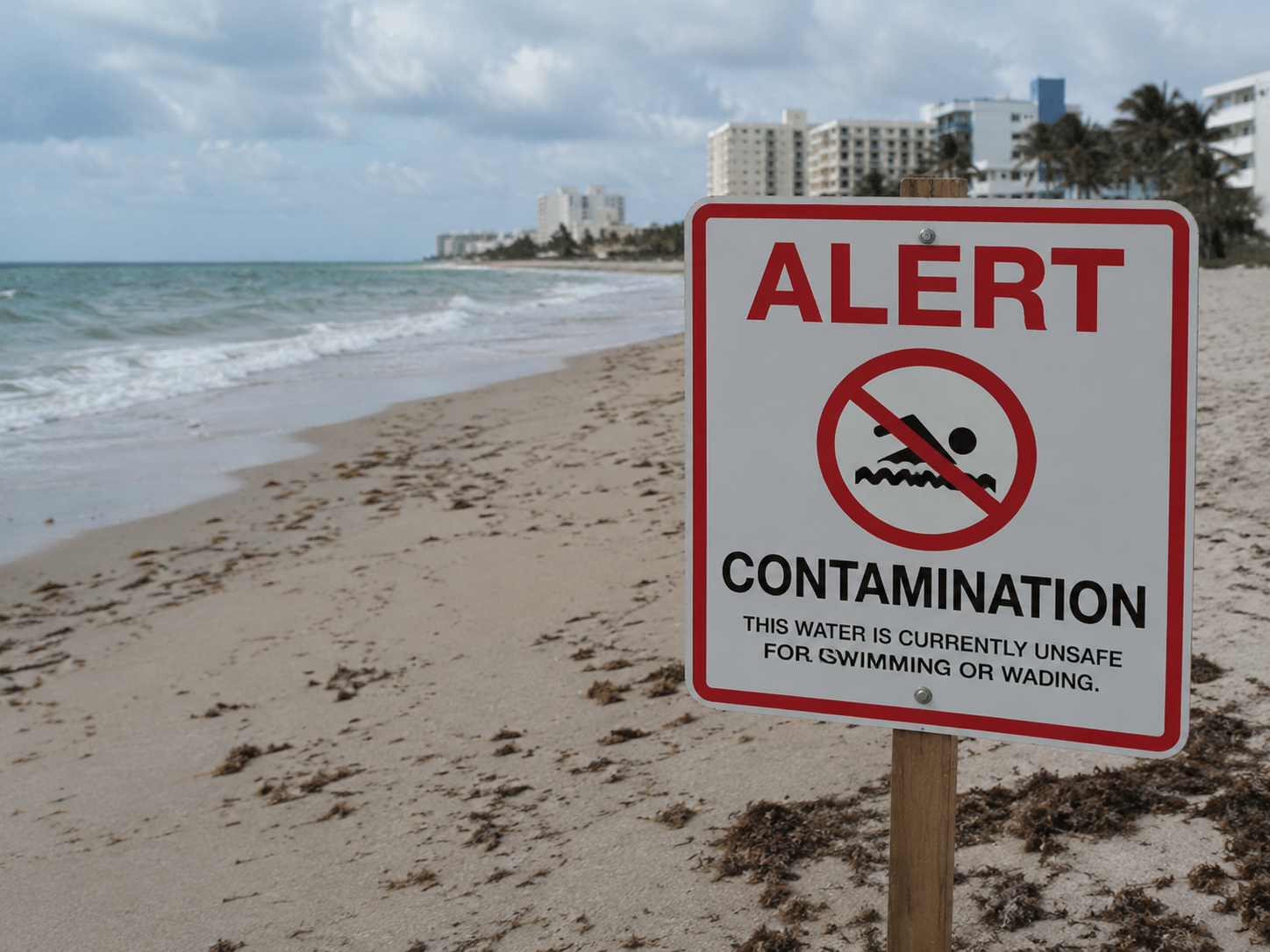
The issue came into focus again this week in Florida, where health authorities issued advisories for several beaches in Panama City Beach after detecting elevated levels of fecal bacteria in the water. Tests found enterococcus concentrations above levels considered safe for recreational activities.
Although the beaches were not completely closed, officials advised residents and visitors to avoid contact with the water until bacterial levels return to safe standards. Similar situations have been reported in other coastal areas of the United States and Mexico in recent years, particularly following periods of heavy rainfall.
A Challenge for Destinations Expecting Millions of Visitors
The 2026 World Cup will not only bring fans to stadiums. Many visitors are expected to extend their trips and spend time in nearby tourist destinations.
Cities such as Miami, Los Angeles, San Diego, Houston, Dallas, Guadalajara, and Monterrey are preparing for a major influx of travelers. Traditional beach destinations including Florida, California, Baja California, Quintana Roo, and the Riviera Maya could also experience some of the highest tourism numbers of the decade.
Water quality and public health conditions become especially important in this context. An outbreak of gastrointestinal illness can affect both tourists and workers, creating operational challenges for hotels, restaurants, airports, and transportation companies.
Growing Concern Over Norovirus
Another issue keeping public health authorities on alert is norovirus, one of the leading causes of acute gastroenteritis worldwide.
The virus spreads rapidly in places where large numbers of people gather, including hotels, cruise ships, resorts, stadiums, restaurants, and convention centers. Symptoms include vomiting, diarrhea, nausea, abdominal pain, and dehydration.
During major international events, health experts often strengthen hygiene protocols due to the increased movement of travelers from different countries.
While fecal contamination at beaches and norovirus outbreaks are separate issues, both highlight the importance of maintaining strong public health standards in destinations that will welcome millions of visitors in the months ahead.
More Tourism Means More Jobs
Expected tourism growth is already driving hiring on both sides of the border.
Hotels, restaurants, catering companies, transportation providers, entertainment venues, and tourism operators are expanding their workforces to prepare for the increase in visitors.
Demand is especially strong for:
- Bilingual staff
- Customer service representatives
- Hotel front desk personnel
- Event coordinators
- Drivers and transportation workers
- Housekeeping and maintenance staff
- Operations supervisors
- Food service professionals
For that reason, maintaining safe sanitary conditions is not only a public health issue. It is also an economic factor that can directly influence visitor experiences and the success of thousands of businesses that depend on tourism.
A Historic Opportunity That Requires Preparation
The 2026 FIFA World Cup represents an extraordinary economic opportunity for both the United States and Mexico. However, tourism infrastructure, environmental monitoring systems, and public health protocols will need to perform at the same level as stadiums and airports.
With millions of visitors expected and record demand for workers, preparation involves more than simply hiring staff. It also means ensuring that beaches, hotels, restaurants, and public spaces can provide safe experiences for travelers from around the world.
In a year when tourism will take center stage, public health may become one of the most important factors determining which destinations are able to maximize the economic benefits of the world’s largest sporting event.