

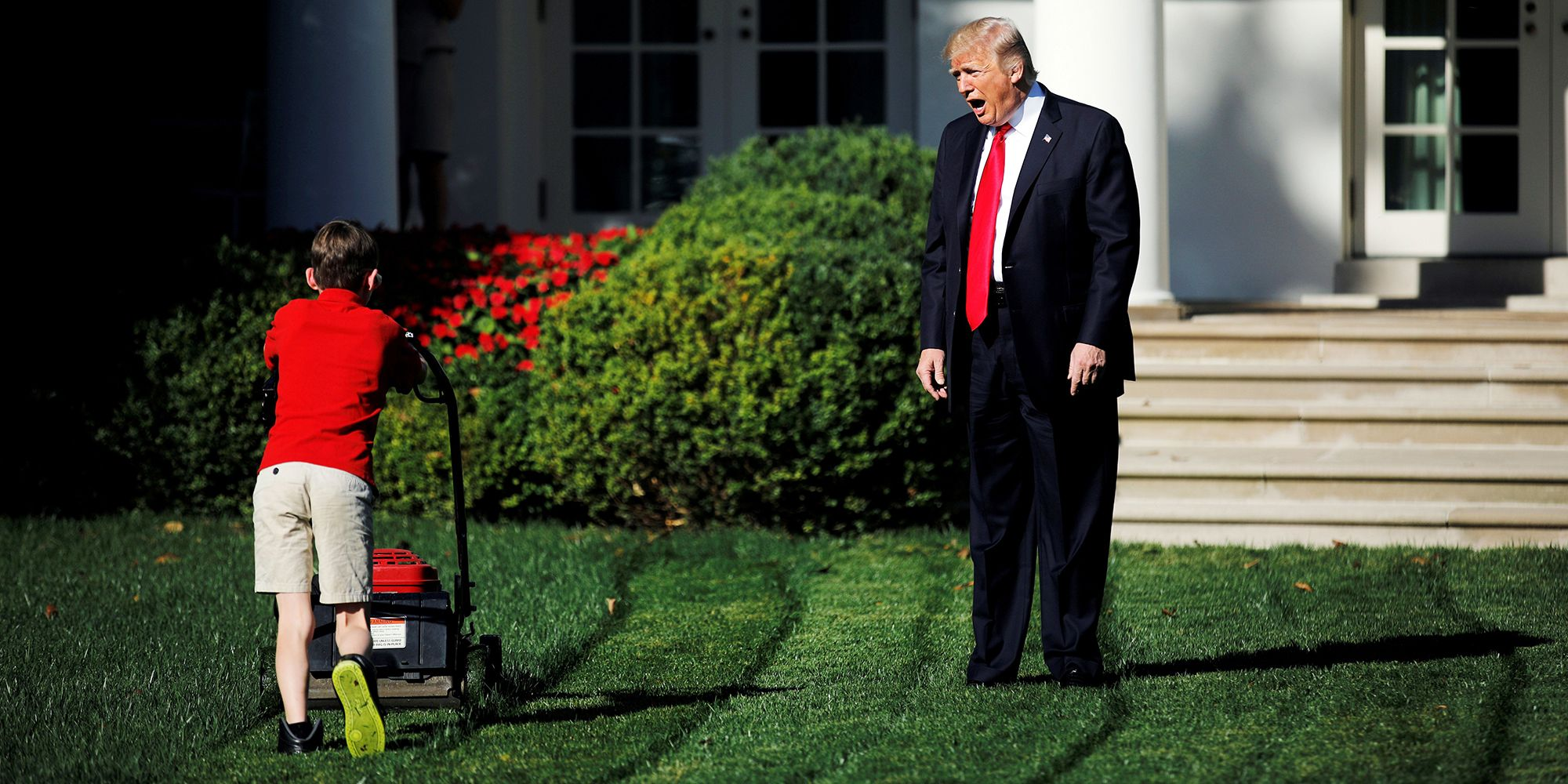
Trump is expected to be the Republican candidate for the presidential election on November 5th.

Image from X
Donald Trump was found guilty this Thursday in a Manhattan court of falsifying documents to conceal a payment to former porn actress Stormy Daniels in exchange for her silence about an alleged extramarital affair they had.
This is the first time a former president of the United States has been convicted in a criminal trial.
The jury in the case delivered its verdict after two days of deliberation, finding him guilty on all 34 charges against him.
Trump is expected to be the Republican candidate for the presidential election on November 5th.

Image from X
What happens next?
The judge will have to consider several factors when issuing the sentence, such as his age (77 years old), his lack of a criminal record, and possibly his violations of the court’s gag orders (for which he has already been fined).
The sentence could involve a fine, probation or supervised release, or a prison term
Trump will opt to appeal the verdict, a process that could take months or even years.
While he appeals, he is expected to remain free on bail.

Will Trump go to jail?
It’s possible, although very unlikely, that Trump will serve time behind bars.
The 34 charges he was found guilty of are all Class E felonies, the least severe category under New York law. Each charge could carry a maximum sentence of four years.
Given Trump’s age, his lack of a criminal record, and the fact that the crime is non-violent, Judge Merchán could opt for a lighter sentence to avoid imprisoning a former president and de facto candidate.
There is also a practical issue. Trump, like all former presidents, is entitled to lifetime protection from the Secret Service. This means some agents would have to protect him in prison.
Even so, managing a prison with a former president as an inmate would be extremely difficult. It would pose a huge security risk and be very costly.
“Prison systems care about two things: the security of the institution and keeping costs low,” says Justin Paperny, director of the prison consulting firm White Collar Advice. With Trump, “it would be a real spectacle… no prison warden would allow it,” he adds.
Can Trump be president again?
The U.S. Constitution sets few eligibility requirements for presidential candidates: they must be at least 35 years old, natural-born citizens, and have lived in the country for at least 14 years. There are no rules preventing candidates with criminal records from running.
Politically, it is impossible to know how Thursday’s verdict will affect the presidential race.
A Bloomberg and Morning Consult poll earlier this year found that 53% of voters in key swing states would refuse to vote for Trump if he were convicted.
Another Quinnipiac University poll found that 6% of Trump voters would be less likely to vote for him if convicted, which could have consequences in a tight election.
However, given the solid support Trump has had over the past eight years, responses to hypothetical questions may not accurately reflect reality.
What could be the grounds for appealing the sentence?
“The level of detail she provided wasn’t really necessary to tell the story,” explains Anna Cominsky, a professor at New York Law School. “On the one hand, her details make her credible. As a prosecutor, you want to provide enough details for the jury to believe what you’re saying. On the other hand, there’s a line where it can become irrelevant and prejudicial.”
Trump’s defense team twice requested a mistrial during Daniels’ testimony, requests that were denied by the judge.
Beyond that, the novel legal strategy adopted by the district attorney in this case could also lead to an appeal.
Falsifying business records can be a misdemeanor in New York, but Trump faced more serious charges because, for New York prosecutors, it was an attempt to illegally influence the 2016 election.
Prosecutors have broadly alleged that federal and state election laws were violated in this case.
Legal scholars say there are questions about the scope and application of federal law that could be grounds for appeal.
Never before had a state prosecutor invoked an uncharged federal crime, raising the question of whether the Manhattan district attorney had the jurisdiction to do so.
Could Trump pardon himself if he wins the election?
No. Presidents can grant pardons to those who have committed federal crimes. This case is a state matter, which means it would be beyond Trump’s reach if he became president again.
The same applies to the case Trump faces in Georgia, where he has been charged with criminal conspiracy to overturn his narrow defeat to President Joe Biden in that state during the 2020 election. That case is currently stalled in appeals.
Trump faces two other cases that are federal, but it is unlikely that a trial will be held in either before the election.
If he were convicted in one of those two cases, experts disagree on whether he could use the pardon power to benefit himself. Trump could be the first to attempt it.