

According to the recent “Passing the Torch” report by the Commission on the State of the U.S. Olympics & Paralympics, 26.5% of high-performance American athletes earn less than $15,000.
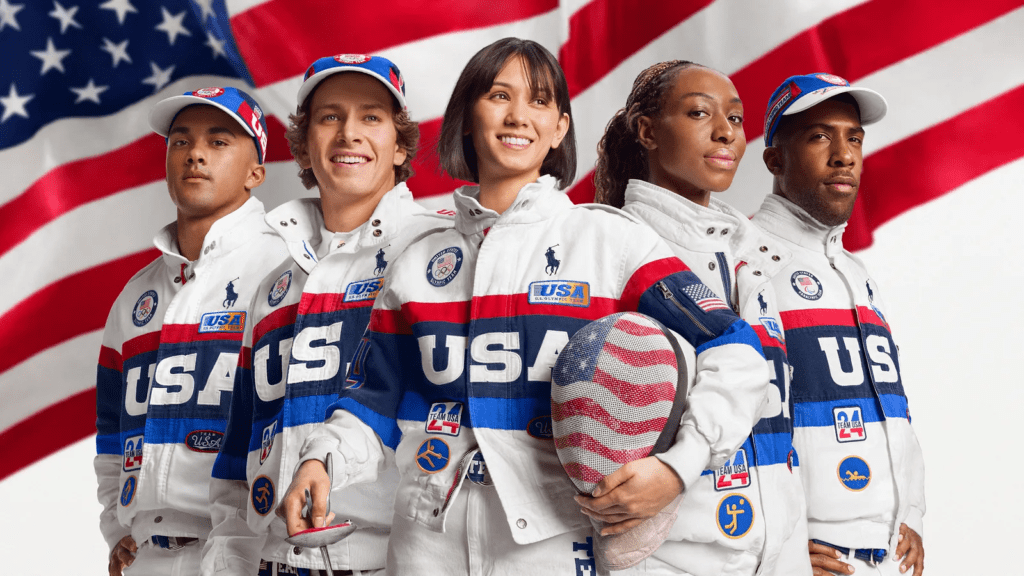
Being an Olympic athlete in the U.S. is not only physically demanding but also often financially challenging. According to the recent “Passing the Torch” report by the Commission on the State of the U.S. Olympics & Paralympics, 26.5% of high-performance American athletes earn less than $15,000 annually, while another 10% earn between $15,000 and $25,000.
“Only 50% of all responding high-performance athletes reported any compensation related to their sport, and of those only 11.5% received sponsorships,” saidHan Xiao, the commission’s co-chair and a former member of the national table tennis team. “Most athletes rely on a mix of stipends, prize money, support from family or partners, and salaries from other types of work.”
The expenses associated with competing at a world-class level, including travel, lodging, equipment, and fees, average $12,000 a year. The report found that some American Olympians face extreme financial hardships, such as sleeping in their cars or lacking sufficient food and adequate health insurance.
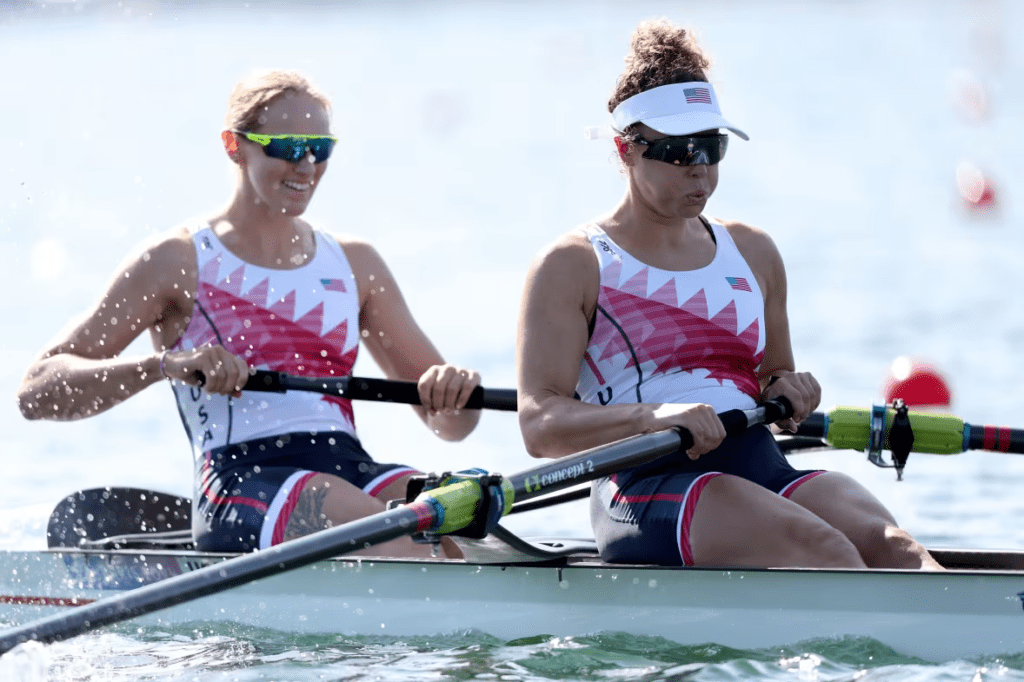
“This Olympic cycle has been worse than ever,” said Brant Feldman, an agent with American Group Management who represents several Olympic athletes, including water polo’s Maggie Steffens and swimmer Paige Madden. Feldman noted the decrease in endorsement opportunities for athletes. “They may be selling a lot of ads, but it just hasn’t trickled down to the athletes. Athletes live on these endorsements, and they are starving for deals.”
Consequently, many athletes resort to using credit cards to cover expenses. Feldman mentioned a former client who accumulated $41,000 in credit card debt, not only for himself but also for his team members.
“The number of stories I’ve heard about fellow athletes running up credit card debt is too many to count,” said Xiao.

Several factors contribute to this financial struggle: Olympic committees and sport governing bodies often have limited funds, companies are cutting back on athlete sponsorships, and the U.S. lacks a robust national funding system seen in other countries.
Until significant changes occur, athletes need to focus on making the most of their once-in-a-lifetime opportunity in Paris. Here are three expert tips for American Olympians and aspiring Olympic hopefuls to stay financially stable:
Get Quality Representation To excel as one of the best athletes in the world requires complete focus, leaving little time for managing finances. Parents, though well-meaning, might not have the necessary expertise or connections to advance your career. “Have good representation to look for sponsorship opportunities for you and to look out for your interests when you enter into agreements with sponsors and sport federations,” advises Xiao. “Being an athlete and being an agent are full-time jobs, and it’s really hard to do both things really well.”
Develop Your Brand Being one of the world’s best athletes isn’t enough to ensure financial stability; you need to build your personal brand by maximizing your social media presence. “Athletes who don’t like to do social media are in trouble,” says Feldman. “Even if you’re only good on one platform, like Instagram or TikTok, you need to be posting content as much as you can.” Make sure businesses can contact you easily by providing your agent’s email in your bio. Brands often reach out through direct messages on social media, and if they don’t get a response, they move on to the next athlete.
Act Fast The global spotlight on you is temporary. “Once the Olympics end, we are heading into the first weeks of college football, into NFL exhibition games, into baseball pennant races,” Feldman says. “If an athlete wins a medal in Paris, you need someone within 72 hours hyping you up. If you haven’t secured deals within 60-90 days, you may have missed your window.”