

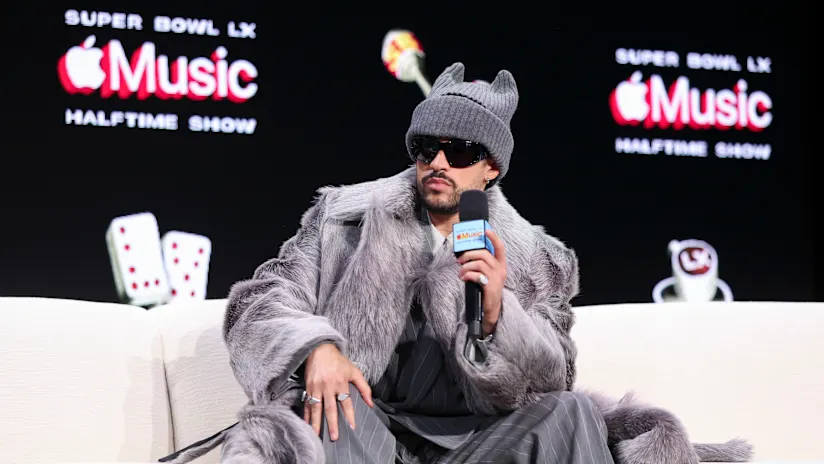
The debate that followed the halftime show in Super Bowl LX was not only about music. It also raised deeper questions about language, identity and opportunity. If the world argues about which language should be heard on the biggest stage in sports, what happens inside companies when a professional speaks with an accent or comes from a different cultural background?
The Super Bowl is more than the most-watched sporting event in the United States; it is a social mirror. Cultural trends and tensions that later influence other arenas, including corporate life, often surface there first.
The selection of Bad Bunny as the halftime headliner, performing largely in Spanish, sparked polarized reactions and showed how representation and diversity continue to generate global conversation.
What happens with global artists also reveals a challenge that Human Resources leaders know well: the distance between declared diversity and practiced diversity.
When someone asks, “Why in Spanish?”, another question often sits underneath: Who belongs? Who represents us? Who is allowed at the center of the stage? Translated into the workplace, those doubts can shape interviews, promotions and leadership opportunities, particularly in multicultural and international organizations.
Language as an invisible border
In global labor markets, English frequently operates as a lingua franca. Yet speaking English does not mean sounding the same or feeling equally comfortable in every setting.
The halftime conversation made this visible. Some viewers criticized the use of Spanish, while others celebrated the visibility it gave to Latino communities.
Inside companies, accents and cultural communication styles can trigger unconscious bias. Highly qualified professionals may be perceived as “less executive” or “not ideal for client-facing roles” because of how they sound, even when performance is unaffected. It is a subtle line, but one with enormous consequences for global talent evaluation.
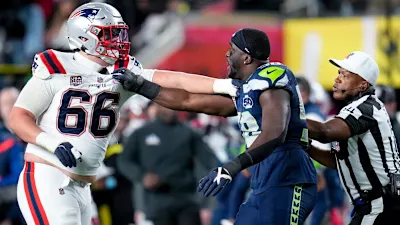
Picture from NLF
Real inclusion vs. performative inclusion
Many organizations promote multicultural values. But the true measure of inclusion is not campaigns or statements. It is who holds leadership positions, who runs teams and who represents the company before clients and stakeholders.
The language debate around the halftime show is a reminder that symbolic acceptance is easier than sharing decision-making power.
Global talent in a borderless economy
Globalization has pushed companies to hire far beyond their home countries. Latin America and other emerging regions are major sources of professionals in technology, logistics, marketing and remote services.
Forward-looking organizations understand that multilingual ability and cultural diversity are strategic advantages. International talent brings broader perspectives, cross-market understanding and bicultural or bilingual skills.
To benefit from this, companies must learn to assess performance without confusing difference with deficiency.
How bias shapes careers
For HR teams, one of the most urgent tasks is recognizing and reducing linguistic and cultural bias. Interrupting someone more often because they have an accent, choosing spokespersons who “sound local,” or associating leadership with one communication style are common practices that can quietly limit careers.
The global reaction to Bad Bunny highlights something essential: the issue is rarely the language itself, but the reaction to what feels unfamiliar.
What organizations can do
Companies that genuinely pursue diversity and high performance tend to act across several fronts. They invest in cultural-bias training, define objective promotion metrics based on results, evaluate impact rather than style, and create environments where different identities and expressions are valued without penalty.
When that happens, diversity stops being a slogan and becomes a competitive advantage.
Rethinking the future of work
If millions debate which language should dominate the most visible stage on the planet, cultural inclusion is no longer a side topic. The Super Bowl, the artist and the reactions demonstrate that the conversation extends far beyond entertainment.
For organizations, the fundamental question is simple: do we value talent for what it delivers or for how it sounds?
The answer can reshape entire corporate cultures, and Human Resources plays a decisive role in making that change real.