


A study reveals that there are certain qualities not listed on resumes but are truly important. Emotional intelligence takes the lead.
Responsibility, punctuality, and a second language are the top three skills sought after in the workforce, and although it sounds cliché, the first two are hard to come by. According to the “Most Sought-After Skills” study by Bumeran, a job portal based in Latin America, 42% of Human Resources specialists highlight “responsibility and punctuality” as indispensable qualities. In second and third place, problem-solving appears with 41%, and teamwork with 40%. With the same percentage, responsiveness and adaptability are also highlighted, and with 39%, communication.
As for hard skills or technical knowledge, 42% of HR experts maintain that the ability to speak a second language is the most requested. 37% consider software or computer program management to be the most sought after, and 32% mention the use of new technologies.
Emotional Intelligence
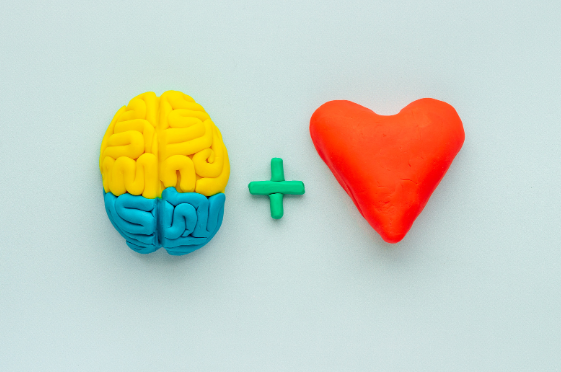
Emotional intelligence emerges as an increasingly important and hard-to-find quality. Respect, responsibility, sincerity, and good manners are increasingly valued in companies. In fact, 69% of Human Resources specialists affirm that soft skills are the most sought after and the least frequently found in candidates.
“The study reflects the growing relevance of social competencies in the workplace. 69% of Human Resources specialists agree that soft skills are the most sought after and the most difficult to find in talents. Responsibility and punctuality top the list, closely followed by problem-solving and teamwork. This need for what characterizes us as human beings is not coincidental in a context marked by the emergence of new technologies and the implementation of artificial intelligence in the workplace,” explains Carolina Molinaro, Head of Marketing at Jobint.
Hard skills can be learned. Soft skills are more difficult to instill. Values come from education, and it is increasingly common for candidates to be proficient in, for example, computer programs but not know how to relate to their colleagues or arrive on time.
What are soft skills?
Soft skills, also known as interpersonal or social skills, refer to personal capacities and traits that are not technical or specific to a particular task, but are fundamental for success in work and life in general. These skills include competencies such as effective communication, the ability to work in teams, critical thinking, problem-solving, adaptability, among others. They are often difficult to quantify and measure, but they play a crucial role in how we interact with others, how we manage our responsibilities, and how we face everyday challenges. Soft skills are essential for professional development, building strong relationships, and personal growth.
The most valued soft skills in the workplace:
Effective communication: Being able to express ideas clearly and understandably both verbally and in writing.
Teamwork: Collaborating and working well with others to achieve common goals.
Critical thinking: Analyzing information, assessing situations, and making informed decisions.
Problem-solving: Identifying problems, finding creative solutions, and taking action to resolve them.
Adaptability: Being flexible and able to adjust to new environments, tasks, and situations.
Time management: Prioritizing tasks, planning efficiently, and meeting established deadlines.
Leadership: Inspiring, motivating, and guiding others toward goals and objectives.
Empathy: Understanding and sharing the feelings and perspectives of others, showing understanding and support.
Resilience: Maintaining calm and productivity under pressure, overcoming obstacles, and learning from mistakes.
Creativity: Generating original ideas, thinking outside the box, and finding innovative solutions to challenges.