

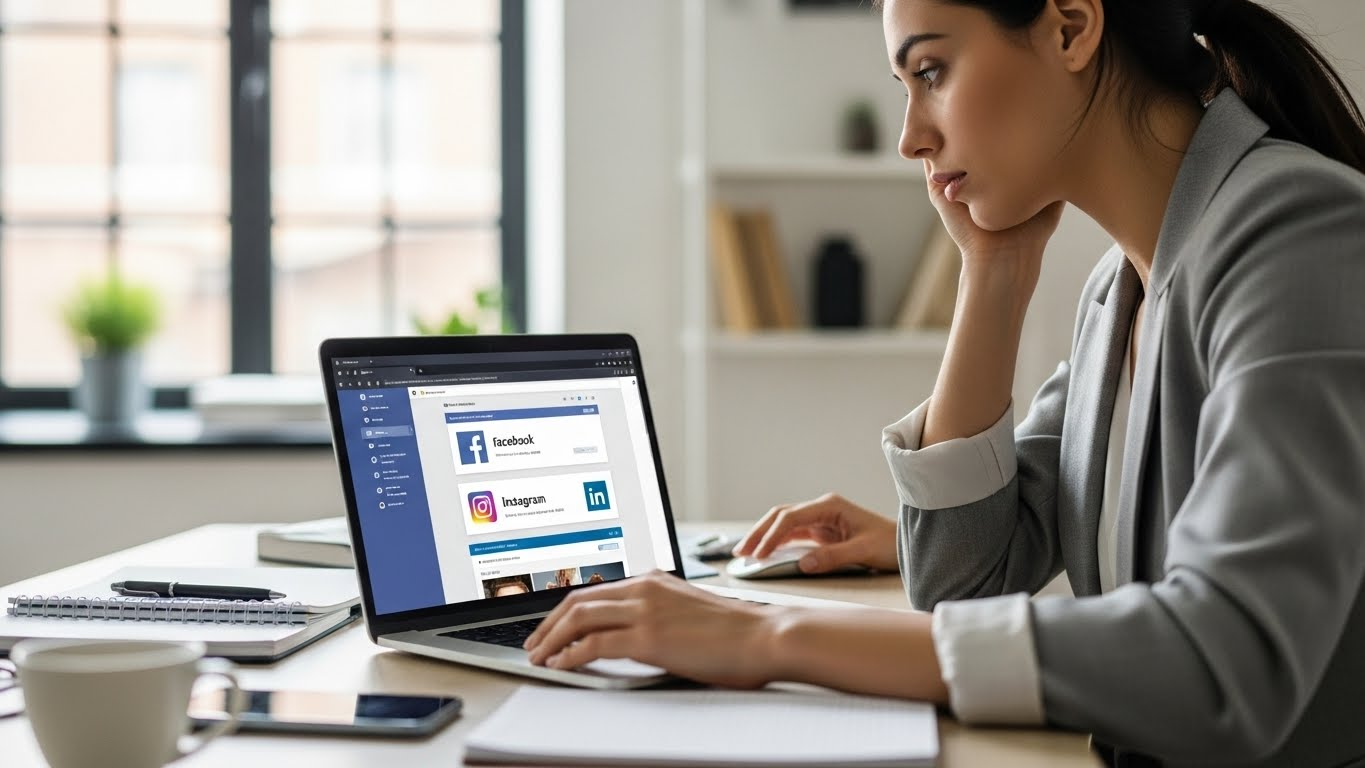
Social media can open doors to new jobs, connections, and opportunities, but it can also increase stress, comparison, and emotional fatigue when used without clear boundaries. This guide shows how to use social platforms intentionally so they support your career instead of draining your mental health.
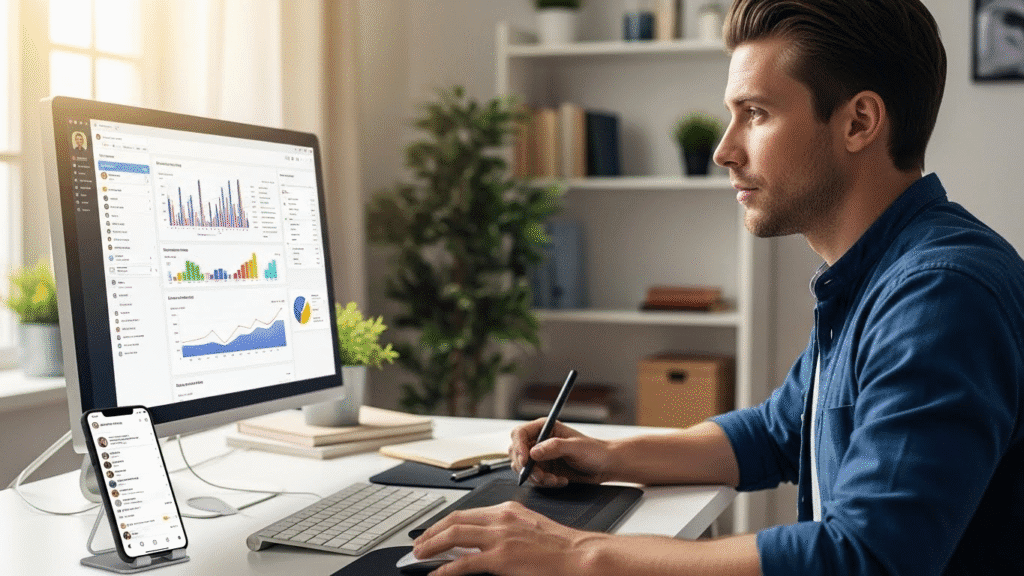
Social media can open doors to new jobs, professional connections, and new opportunities. But when it is used without clear boundaries, it can also increase stress, comparison, and emotional exhaustion. This guide explains how to use social platforms intentionally so they support your career instead of damaging your mental well-being.
Social media is no longer just a place for entertainment. Today, it is a serious professional tool. People use it to find jobs, recruit talent, build personal brands, learn new skills, and create business opportunities. Platforms like LinkedIn, Instagram, TikTok, X, and even Facebook can become real allies in your career.
The problem begins when that use becomes automatic instead of intentional.
The same platforms that can help you grow professionally can also trigger anxiety, digital burnout, and a constant feeling that you are falling behind.
The real challenge is not being on social media. It is learning how to use it without letting it control you.
The Positive Side of Social Media for Work
When used with intention, social media can have a real impact on your professional life.
For job seekers, it allows you to showcase skills beyond a traditional résumé, connect directly with recruiters and hiring managers, discover job openings before they are officially posted, and build a recognizable professional presence.
For companies, founders, and leaders, social media has become a direct pipeline to visibility and talent. Many hiring processes now start with a LinkedIn message, a comment on a post, or a recommendation inside a digital community.
Social platforms also help organizations humanize their brands, show their workplace culture, attract people who share their values, and build trust.
Social media itself is not the problem. The problem is using it without purpose.
When Social Media Stops Being Healthy
These platforms are designed to keep your attention for as long as possible. Infinite scroll, push notifications, likes, views, and algorithm-based rewards are all engineered to make you come back again and again.
That can easily lead to compulsive use, difficulty disconnecting, constant comparison, anxiety, low self-esteem, and mental fatigue.
In professional settings, this creates a dangerous illusion that being constantly online is the same as being productive.
It is not.
Posting more does not mean working better.
Having more followers does not mean having more talent.
Key 1: Define Why You Use Each Platform
The first step toward a healthier relationship with social media is giving each platform a clear purpose.
Not every network serves the same function.
LinkedIn is best for jobs, networking, and professional branding.
Instagram works well for visibility, storytelling, and company culture.
TikTok is useful for quick education, creativity, and reach.
X is ideal for conversation, opinions, and real-time news.
Facebook still plays a role in groups, niches, and online communities.
When you do not define your goal, you end up using all platforms randomly and burning out.
Ask yourself why you are there. Are you looking for a job, talent, clients, or knowledge?
Key 2: Create More Than You Consume
Passive consumption is one of the biggest emotional drains on social media. Scrolling through carefully edited lives rarely inspires. Most of the time, it simply exhausts you.
Creating content, on the other hand, gives you control.
You do not need to be an influencer. You can share what you are learning, talk about real work experiences, show behind-the-scenes processes, discuss mistakes and lessons, and offer thoughtful opinions.
This positions you as someone who adds value instead of someone who only watches.
Key 3: Do Not Confuse Visibility With Value
One of the biggest psychological traps of social media is tying your self-worth to metrics.
Likes. Followers. Views. Comments.
None of these define your professional value.
Some of the smartest people have small audiences. Some of the most visible profiles have limited skills. Metrics are data, not identity.
Your worth is not measurable by an algorithm.
Key 4: Set Clear Time Boundaries
Working with social media does not mean living on it.
Define specific time blocks, clear goals for each session, moments without screens, and days without posting.
Rest is part of performance.
If you never disconnect, your brain never recovers.
Key 5: Treat Your Mental Health Like Your Résumé
You update your résumé. You should also review your relationship with social media.
Warning signs include anxiety when you do not check your phone, constant comparison, feeling like you are not enough, fear of disappearing from feeds, and the belief that everyone else is moving ahead.
If you recognize several of these signs, it is time to adjust.
Mute accounts. Unfollow content that makes you feel pressured. Take breaks. Return to what actually matters.
Not all content deserves your attention.
Key 6: Use Social Media to Connect, Not to Compete
Social media can be a space for collaboration, not just competition.
Instead of thinking that everyone is your competition, ask yourself who you can learn from, who you can help, and who you could collaborate with.
Real networking grows from conversation, not ego.
Key 7: Be Human, Not Perfect
Social media is full of edited lives. But companies do not look for perfection. They look for real people.
Showing your learning process, mistakes, and growth builds more trust than a flawless image ever could.
Authenticity is a professional strategy.
Social Media as a Tool, Not a Cage
Social media can either expand your career or become an emotional prison. The difference lies in how you use it.
When used intentionally, it can open doors, connect you with the right people, build your reputation, and show who you really are.
When used without control, it can drain your energy, hurt your self-esteem, increase anxiety, and steal your focus and time.
The goal is not to disappear.
The goal is to use social media consciously.
Because professional success is not measured in followers. It is measured in well-being, purpose, and real opportunities.