


According to AI-driven labor analysis and workforce data, the least stressful jobs today share a common trait: low connectivity. These roles do not require constant availability, do not depend on replying to messages at all hours, and are not driven by the always-on digital culture that defines much of today’s job market.
In a landscape where many remote jobs involve extended hours, multiple platforms, and a constant sense of urgency, a different idea is gaining traction. Working with less connectivity not only reduces stress but can also provide stable income when structured strategically. This shift is redefining what quality of life at work actually means.
The problem with hyperconnectivity

Over the past decade, remote work has often been framed as the solution to workplace stress. In reality, for many workers, it has created new pressures. The lack of clear boundaries between personal life and work, the need to respond across time zones, and the expectation of constant availability have introduced a different kind of strain.
AI-based analysis highlights a clear pattern: the more interruptions, notifications, and digital demands a job requires, the higher the perceived stress levels. Constant connectivity fragments attention and makes it difficult to fully disconnect, even outside working hours.
This is why many of the least stressful jobs today are not the most tech-driven ones. Instead, they are roles that allow people to step away from screens and operate within defined schedules.
Wellness and physically structured work
Jobs connected to physical activity and well-being stand out as some of the most balanced options. Roles such as yoga instructor, meditation coach, personal trainer, or Pilates instructor follow a very different rhythm compared to digital jobs.
Sessions are scheduled, they have a clear beginning and end, and they do not typically require ongoing digital interaction outside those hours. The work itself is also aligned with mental and physical health, which reduces emotional strain.
From an income perspective, many professionals in this space build sustainable earnings by combining group classes, private sessions, and partnerships with gyms, resorts, or corporate wellness programs.
Water-based and outdoor activities
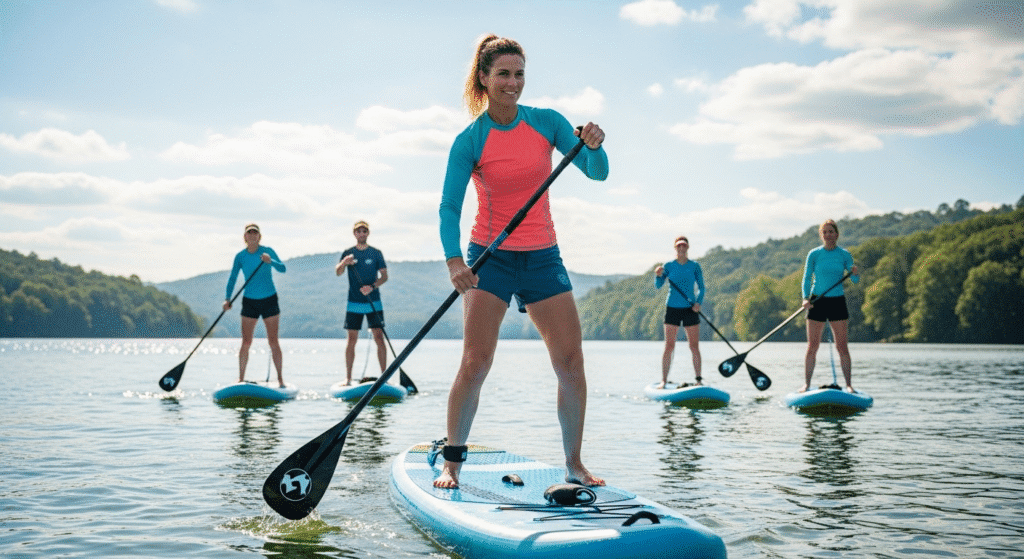
Another strong category includes outdoor and water-related jobs. Positions like swimming instructor, stand-up paddle (SUP) coach, kayak guide, or seasonal lifeguard offer a completely different work environment.
These roles are defined by time blocks, physical presence, and environmental conditions rather than digital demands. While they can be physically demanding, they are not tied to constant notifications, emails, or platform-based pressure.
In tourist destinations, these jobs can generate strong seasonal income, allowing workers to concentrate earnings during peak periods and maintain flexibility throughout the year.
Tourism and experience-based roles
The tourism industry also provides lower-stress alternatives. Jobs such as tour guide, outdoor experience coordinator, trekking guide, or excursion leader focus on direct human interaction without continuous digital mediation.
AI analysis suggests these roles tend to have lower stress levels because tasks are time-bound, there is less multitasking across digital channels, and the environment itself promotes mental disconnection.
Unlike many office-based roles, the focus here is on the present experience rather than managing ongoing streams of digital tasks.
Low-pressure practical jobs with steady demand
There are also less visible jobs that share this low-connectivity structure. Roles like gardener, landscaper, nursery worker, or recreational activity instructor allow individuals to focus on a single task without constant interruptions.
These jobs typically involve predictable routines, lower exposure to high-stakes decisions, and more controlled work environments. As a result, they tend to offer a more stable and manageable day-to-day experience.
Income without constant pressure
One important distinction is that these jobs do not always follow the traditional full-time salary model. Income is often built through a mix of services, repeat clients, and seasonal demand.
This does not necessarily mean lower earnings. Instead, it reflects a different structure. A yoga instructor may combine group sessions with private clients. A tour guide may concentrate income during high seasons. The key is diversification and consistency over time.
A shift in what workers value
For BajaStarTalent, this trend reflects a deeper shift in how people define career success. Financial growth is no longer the only priority. More workers are actively seeking roles they can sustain long term without compromising their mental health.
This is also influencing hiring trends. Companies and industries that understand this shift are beginning to value balance, structure, and realistic expectations over constant availability.
AI does not suggest abandoning technology altogether. Instead, it highlights the importance of setting limits. And within that analysis, low-connectivity jobs emerge as a practical alternative to the burnout associated with always-on work models.
In a world where everything feels urgent, jobs that allow people to finish their day, disconnect, and fully step away from work are becoming increasingly valuable. Not only for well-being, but also as a sustainable way to earn a living over time.