

The integration between Mexico and the United States is no longer just about trade, supply chains or the rise of nearshoring. It is also becoming increasingly visible in the educational choices of a new generation.
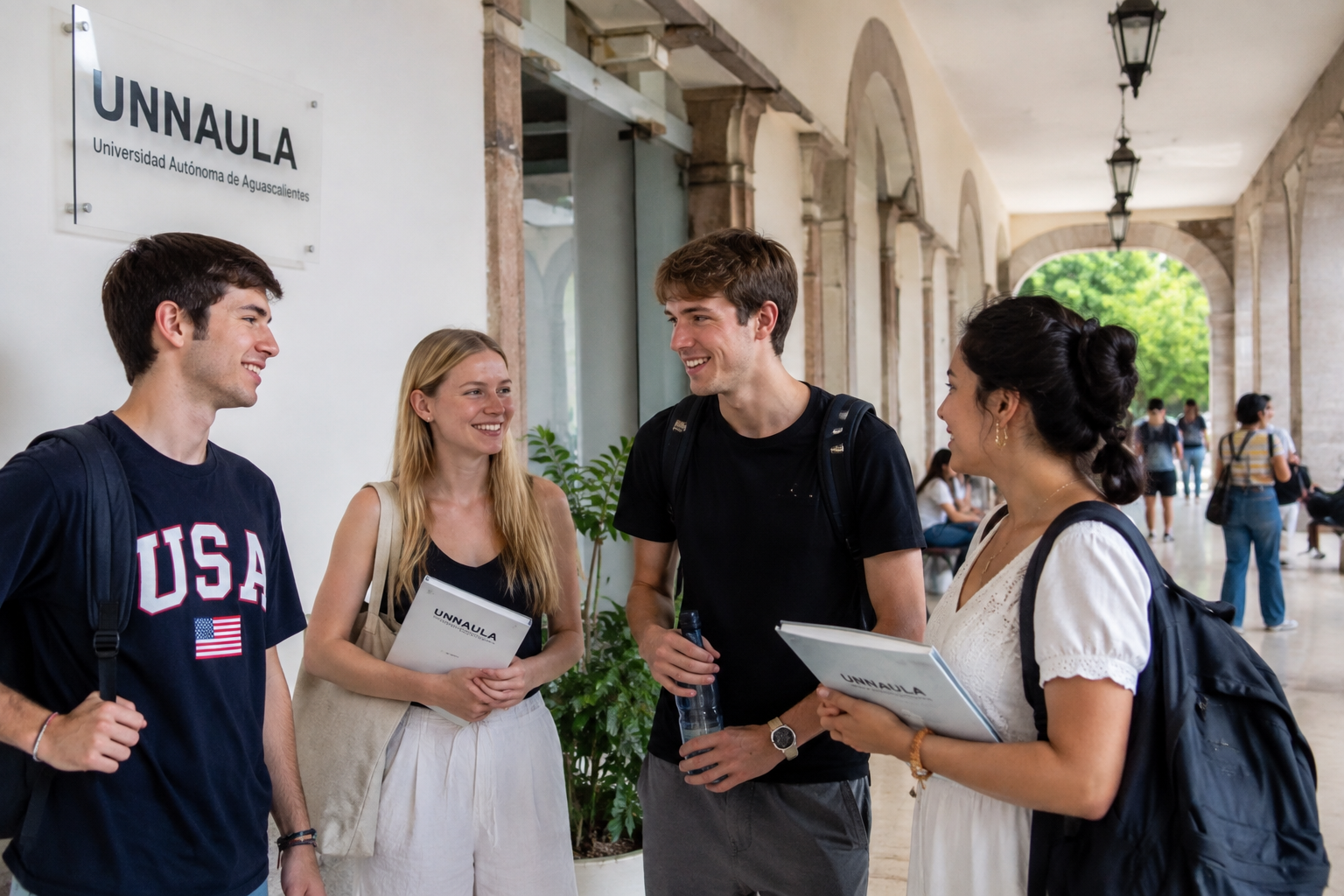
In 2025, Mexico became the leading international destination for U.S. students pursuing full university degrees abroad. A total of 24,466 American students enrolled at Mexican institutions, far ahead of the 10,200 who studied in the United Kingdom and the 6,865 who chose Canada.
The numbers are part of a broader trend. More than 90,000 U.S. students pursued full university degrees abroad in 2025, with undergraduate students accounting for 67% of the total. The overall figure is twice what it was a decade earlier.
For Mexico, however, taking the top spot has particular significance. The two countries share one of the world’s most important economic relationships, with deeply interconnected supply chains, companies, investments and an increasingly regional talent market.
Now, that connection is expanding into higher education.
From Trading Partners to Talent Partners
For years, conversations about the Mexico-U.S. relationship were dominated by exports, manufacturing, logistics and cross-border trade. The growth of nearshoring added another dimension, as U.S. companies began paying much closer attention to the professional talent available south of the border.
The growing exchange of students between the two countries could accelerate that transformation.
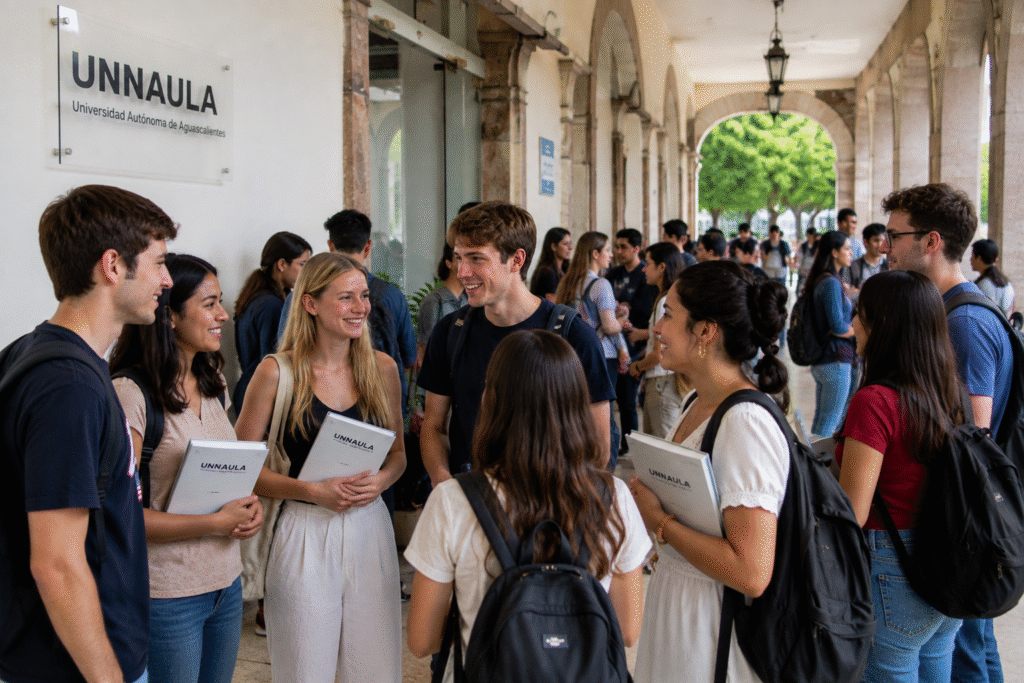
An American student who studies in Mexico does more than earn a degree. They can gain first-hand knowledge of Mexican business culture, build a binational professional network and develop experience in a market that is becoming increasingly important for companies operating across North America.
At the same time, Mexican universities and professionals are entering a labor market where geographic boundaries are becoming less rigid, particularly in industries where employees can work remotely or become part of teams distributed across Mexico and the United States.
Education, nearshoring and talent are increasingly becoming part of the same conversation.
Tecnológico de Monterrey Draws U.S. Students
Mexico is also represented among 15 international universities identified by Forbes as institutions actively attracting U.S. students through internationally focused academic programs.
Tecnológico de Monterrey made the list with four-year degree programs and estimated tuition of $21,600, according to the figures included in the ranking.
Cost is becoming an important consideration as American families evaluate international alternatives.
At some private universities in the United States, total annual attendance costs are approaching or have already exceeded $100,000.
Studying abroad, however, is not necessarily cheaper. Tuition is only one part of the equation. Housing, food, health insurance, visa fees, airfare and currency fluctuations can significantly affect the final cost.
That means the decision is increasingly about more than price. International experience, career opportunities and access to other markets can also influence where students choose to study.
A Generation Ready to Work Across Mexico and the U.S.
The trend could also have implications for how companies recruit talent.
Mexico and the United States share time zones, a border stretching more than 1,900 miles and deeply integrated supply chains. At the same time, remote work has made it possible for professionals based in Mexican cities to work alongside U.S. teams every day.
Educational mobility reinforces that connection.
As more students, professionals and companies gain experience in both markets, the pool of talent capable of navigating binational environments, understanding different workplace cultures and collaborating in real time is likely to grow.
For U.S. companies, those capabilities can be especially valuable when building teams in Mexico.
The goal is no longer simply to find skilled professionals at a competitive cost. Companies increasingly need people who can integrate quickly into their operations, communicate effectively with U.S.-based teams and understand the company’s business objectives.
Mexico Gains Ground in North America’s Talent Market
Mexico surpassing the United Kingdom and Canada as a destination for U.S. students highlights how perceptions of opportunities across the border are changing.
It also points toward a more connected labor market.
In the coming years, companies operating across Mexico and the United States will need professionals with technical expertise, language skills, adaptability and experience working with international teams.
The relationship between the two countries is already helping create that ecosystem.
Nearshoring brought operations closer. Remote work brought teams closer. Now, student mobility is bringing the education of the next generation closer as well.
For companies looking for talent, the trend points in a clear direction: Mexico and the United States are increasingly becoming part of the same North American talent ecosystem.