

The world’s biggest sporting events do much more than entertain millions of fans. They drive investment, accelerate infrastructure development, and create significant employment opportunities across multiple industries. The 2026 FIFA World Cup, now underway across the United States, Mexico, and Canada, is a prime example of how sports can become a powerful engine for economic growth and job creation.
Economic studies conducted around major international sporting events consistently show that their labor impact extends far beyond stadiums and athletes. Behind every match lies a vast network of professionals responsible for coordinating operations, ensuring security, managing transportation, assisting visitors, and keeping complex organizational systems running smoothly.
Logistics and Transportation: The Backbone of Mega Events

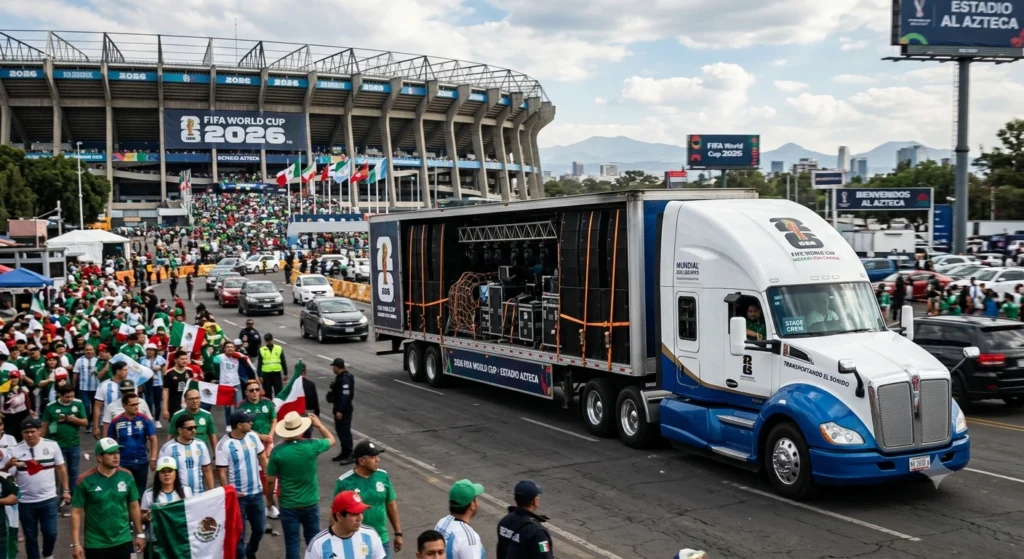
Few industries benefit more from large-scale sporting events than logistics and transportation. Moving teams, equipment, sponsors, media organizations, and millions of fans requires planning on an extraordinary scale.
Professionals specializing in transportation management, supply chain operations, fleet management, warehousing, and distribution often experience a significant increase in demand during these events.
For the 2026 FIFA World Cup, host cities are spread across thousands of miles throughout North America, making logistics one of the tournament’s greatest operational challenges. International logistics experts, inventory managers, and operations planners have become essential to ensuring that everything functions efficiently from kickoff to the final match.
Tourism and Hospitality: A Growing Industry
Hotels, restaurants, tourism operators, and entertainment companies typically see substantial growth during major sporting events.
This creates opportunities for:
- Hotel managers
- Tourism specialists
- Event coordinators
- Customer service professionals
- Visitor experience managers
- Food and beverage professionals
Millions of travelers require accommodations, local transportation, tourism services, and entertainment options, driving both temporary hiring and, in many cases, the creation of long-term positions.
Technology and Cybersecurity: The Digital Infrastructure Behind the Event
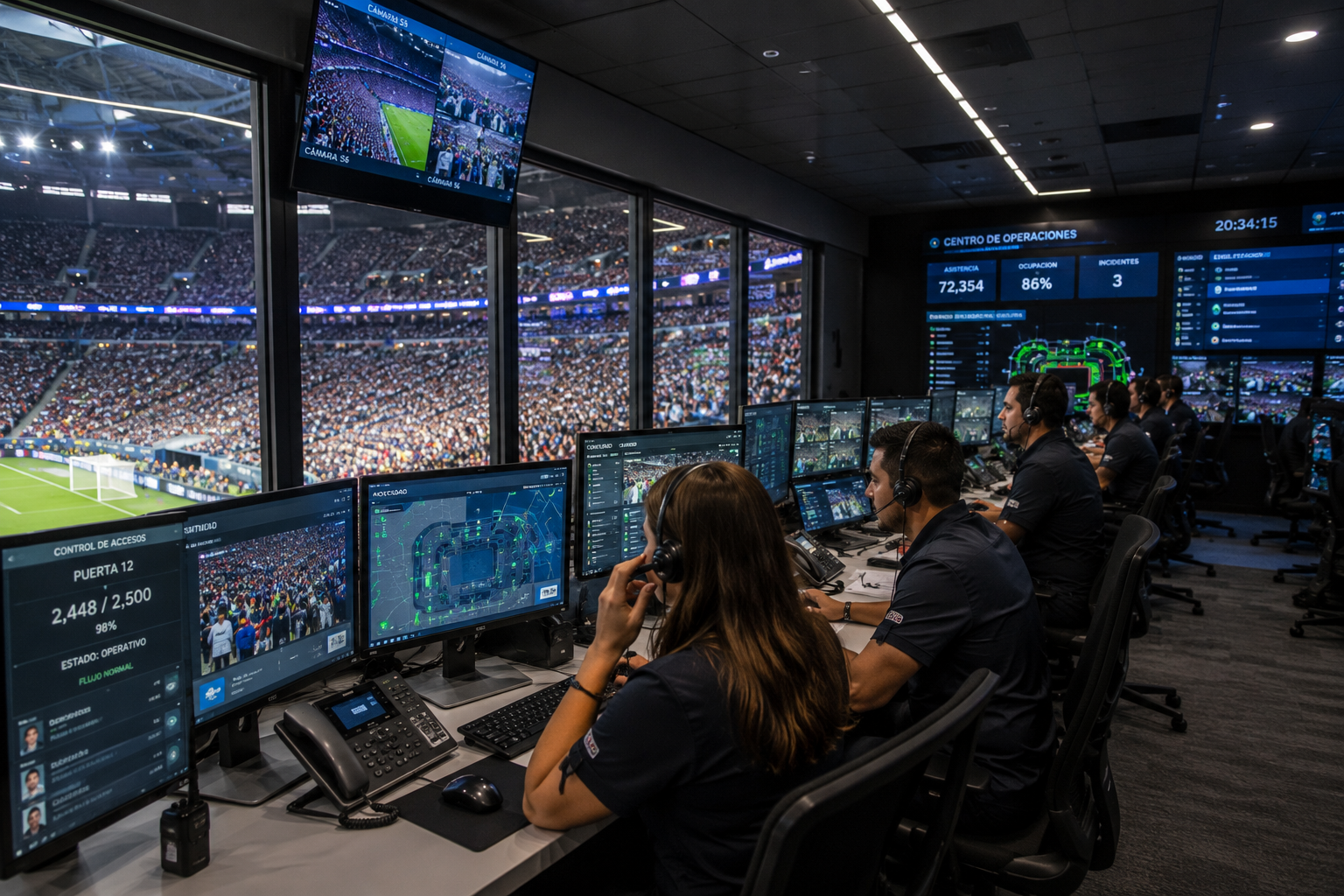
Modern mega events increasingly depend on digital platforms, accreditation systems, mobile applications, data centers, and communication networks.
As a result, technology professionals rank among the most sought-after workers.
Key roles include:
- Software engineers
- IT infrastructure specialists
- Data analysts
- Artificial intelligence experts
- Cybersecurity professionals
Protecting sensitive information, preventing cyberattacks, and continuously monitoring critical systems have become strategic priorities for both organizers and government agencies.
Human Resources and Talent Acquisition
Human resources may not be the first field people associate with international sporting events, but every large-scale operation requires extensive recruitment and workforce management.
Organizations must hire, train, and coordinate thousands of temporary and permanent employees.
This creates opportunities for:
- Recruiters
- Talent Acquisition Specialists
- Training Coordinators
- Human Resources Managers
- Organizational Development Professionals
Mega sporting events often serve as real-world talent management laboratories, where the ability to rapidly identify and onboard qualified workers becomes a competitive advantage.
Security and Risk Management
Security remains one of the most critical components of any international event.
Governments, event organizers, and private companies invest heavily in protecting athletes, visitors, and infrastructure.
As a result, demand grows for:
- Physical security specialists
- Risk analysts
- Crisis management experts
- Intelligence professionals
- Business continuity consultants
As operations become increasingly digital, physical security and cybersecurity are becoming more interconnected, creating even broader career opportunities.
Marketing, Communications, and Content Creation
Major sporting events are global communication platforms.
Brands compete for audience attention and require professionals capable of producing engaging content in real time.
Among the most in-demand roles are:
- Digital marketing specialists
- Social media managers
- Graphic designers
- Video producers
- Sports journalists
- Content creators
The constant flow of news, highlights, fan engagement, and brand activations makes these professionals essential to the overall event experience.
Opportunities That Extend Beyond the Final Whistle
Although mega sporting events are temporary by nature, many of the jobs and investments they generate create long-lasting benefits.
New infrastructure, expanded transportation networks, improved technology systems, and workforce development initiatives often continue driving economic activity long after the event concludes.
For this reason, events such as the FIFA World Cup represent much more than sporting competitions. They create growth opportunities for professionals across logistics, technology, tourism, human resources, marketing, and security.
As global events continue to expand in scale and complexity, the demand for skilled professionals will likely grow alongside them. For individuals seeking careers in fast-moving, international industries, mega sporting events have become far more than celebrations of sport—they are powerful platforms for professional development and job creation.