

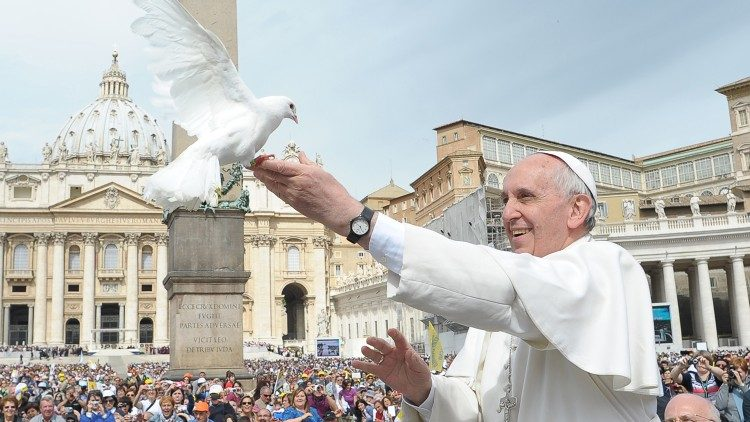
One year after the death of Pope Francis, his legacy extends far beyond religion, gaining relevance in fields as diverse as politics, education, and increasingly, the world of work. In a global context shaped by uncertainty, digital transformation, and rising burnout, his teachings provide a timely framework for rethinking talent management, leadership, and organizational culture.
Leadership Means Serving, Not Commanding
Far from traditional models based on rigid hierarchy or control, Francis promoted a deeply human vision of leadership. One of his most repeated ideas—“true power is service”—translates directly into a key HR concept today: servant leadership.
This approach focuses on:
- Team well-being
- Active listening
- Trust-building
- Individual development within the organization
In a market where talent chooses where to work, this leadership style is no longer optional—it is a competitive advantage.
Empathy From Soft Skill to Strategic Capability
In today’s workplace, empathy is no longer a “nice to have”—it is a core differentiator. Francis often spoke about “looking people in the eye” and recognizing human dignity.
In organizational terms, this means:
- Understanding motivations, fears, and aspirations
- Designing more human-centered work experiences
- Reducing emotional disconnection within teams
It’s no longer about managing resources—it’s about supporting people.
Patience in the Age of Immediacy
In a world driven by urgency, Francis proposed a different logic: processes matter as much as results.
Applied to HR:
- Talent development takes time
- Learning requires space for mistakes
- Continuous training is an investment, not a cost
Organizations that embrace this mindset build stronger, more sustainable teams.
Perseverance and Consistency in Complex Contexts
Francis led a global institution through tension, crisis, and transformation. His strength was clear: maintaining a vision without losing coherence.
Key lessons for organizations:
- Build clear organizational cultures
- Stay the course during uncertainty
- Foster resilient and adaptable teams
Consistency in leadership directly impacts internal trust.
Inclusion Means Reaching the “Peripheries” of Talent
One of the most powerful ideas in his thinking was “going to the peripheries.” In HR terms, this directly challenges diversity and inclusion policies.
Key questions for organizations:
- Who are we leaving out?
- What invisible barriers exist in our processes?
- Are we always sourcing talent from the same places?
Inclusion is not just ethical—it’s strategic.
Against the Culture of Disposability
Francis strongly criticized what he called the “throwaway culture,” a concept that resonates deeply in today’s labor market.
Instead of discarding talent, companies can:
- Invest in workforce reskilling
- Promote upskilling initiatives
- Support career transition processes
No one is expendable when there is a vision for development.
Building Community Inside the Company
Another core pillar of his legacy is the culture of encounter. Francis promoted dialogue, closeness, and collective construction.
In organizational terms, this translates into:
- Encouraging collaboration
- Creating trust-based environments
- Fostering a sense of belonging
Companies that build strong internal communities often achieve:
- Higher engagement
- Greater innovation
- Better talent retention
Authentic Communication as a Leadership Standard
Francis’ communication style was direct, clear, and human. In an age of information overload, this stands out.
Today’s leaders can learn to:
- Communicate with clarity and honesty
- Acknowledge mistakes
- Align words with actions
Authenticity creates something no strategy can buy: credibility.
A Legacy That Redefines the Future of Work
One year after his passing, Pope Francis’ legacy invites us to rethink work through a more human, conscious, and sustainable lens.
At a time when burnout, turnover, and emotional disconnection are growing challenges, his teachings offer a clear roadmap:
- Put people at the center
- Build more human organizational cultures
- Lead with empathy, patience, and vision
For companies like BajaStar Talent, operating at the intersection of cultures, geographies, and diverse labor realities, these ideas are not just inspirational—they are actionable.
Because, ultimately, the true differentiator of any organization is not its technology or structure, but its ability to understand, support, and empower the people within it.
And in that regard, Francis left a legacy that is hard to match.