

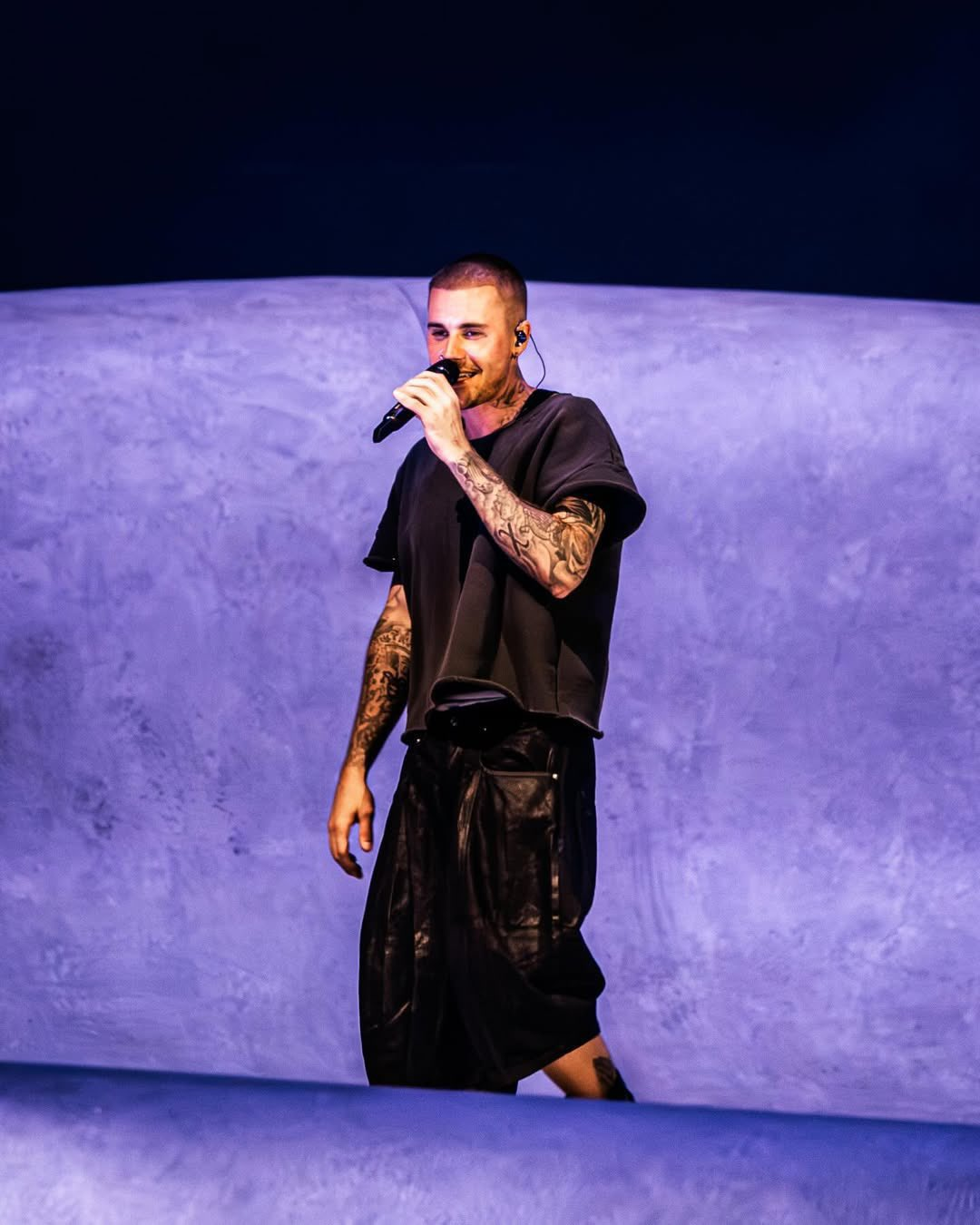
Justin Bieber’s appearance at Coachella made headlines not just because he showed up, but because of what followed: a wave of online criticism after videos circulated that many users described as awkward, erratic, or out of place.
The moment quickly went viral. And with that, something that Human Resources deals with every day—though usually on a smaller scale—became highly visible:
professional reputation today is public, immediate, and difficult to control.
Katy Perry reacts to Justin Bieber using YouTube during his Coachella set:
— Pop Crave (@PopCrave) April 12, 2026
“Thank God he has Premium. I don’t wanna see no ads.” pic.twitter.com/LW4ELOx8YO
The difference in performance quality is actually insane. You're telling me Justin Bieber is the highest-paid artist at Coachella, and this is what he delivers? Male artists really do get away with anything when it comes to performances — and more. I've seen people dragging… pic.twitter.com/LnoqxkOwc4
— jameshaschanged. (@_badreputatio_n) April 12, 2026
1. Constant exposure is changing the rules
In the past, mistakes or personal moments stayed within private circles.
Not anymore.
A video, a comment, or an attitude can:
- Go viral in minutes
- Be interpreted out of context
- Directly impact public perception
What happened to Bieber is an extreme case, but the same dynamic plays out in the workplace—on LinkedIn, TikTok, or even WhatsApp.
The line between personal and professional has nearly disappeared.
2. Personal branding is no longer optional
The reaction online highlights a key reality:
it’s not enough to be talented—how you’re perceived matters just as much.
In HR, this translates into a clear trend:
- Recruiters review candidates’ social media
- Consistency between message and behavior matters
- Digital reputation influences real opportunities
Your personal brand is not what you say about yourself—it’s what others see and share.
3. Cancel culture and tolerance for mistakes
One of the most relevant aspects of this case is the speed at which criticism spreads.
But it also raises an uncomfortable question:
Are we leaving any room for mistakes?
The same tension exists within many organizations:
- Authenticity is encouraged, but imperfection is punished
- Visibility is promoted, but without margin for error
- Initiative is expected, but risk tolerance is low
The challenge for HR is to build cultures where mistakes don’t destroy talent.
4. Mental health under public pressure
Beyond opinions, there is a structural issue:
Constant exposure—like the kind Bieber experiences—creates pressure that is difficult to sustain.
And even at a smaller scale, professionals are facing similar dynamics:
- Hyperconnectivity
- Expectations of constant availability
- Validation through metrics (likes, views, instant feedback)
Digital burnout is already part of the modern work environment.
5. What can companies learn?
Situations like this offer concrete lessons for organizations and leaders:
- Not every viral moment defines real talent
- Reputation needs context, not just reaction
- Support is critical during moments of negative exposure
- Internal culture must be stronger than external pressure
Because when companies react like social media—fast, superficial, and punitive—they risk losing valuable talent.
What happened with Justin Bieber at Coachella is not just entertainment.
It’s a reflection of how the professional world works today.
An environment where:
- Everything is visible
- Everything is judged
- Everything circulates
And where the real challenge is no longer just attracting talent, but protecting it, developing it, and understanding it in increasingly exposed contexts.