


Lionel Messi has filed a lawsuit in a federal court in New York against a network of digital sellers who were marketing products using his registered logo without authorization. The legal action targets merchants operating primarily from China who used e-commerce platforms to sell clothing, footwear, and accessories featuring the player’s brand, without license or consent.
According to the filing, the defendants used search engine optimization strategies and social media campaigns to direct users to stores designed to appear official or authorized. They also operated under multiple identities, used offshore financial accounts, and relied on systems that allowed them to continue operating even after being shut down.
While this case involves a global public figure, it reflects a broader issue that also impacts everyday professional environments: the improper use of images, brands, and digital content.
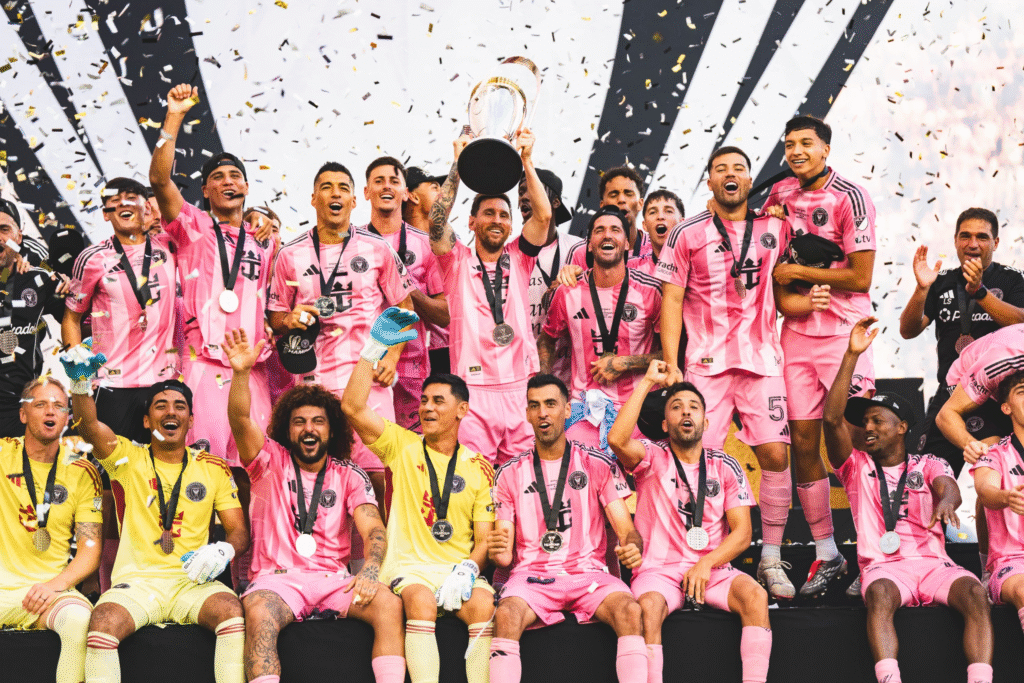
Image is now a professional asset
Today, image is no longer a secondary element. It has become a central part of professional identity. Profile pictures, social media content, portfolio design, and even presentations all contribute to personal branding.
Each of these elements tells a story about who you are, how you position yourself, and what values you represent. That’s why the misuse of images or content can go beyond legal issues and directly affect credibility and professional perception.
The most common mistake: assuming everything online is free
One of the most frequent mistakes is assuming that any image found online can be used freely. In reality, most content is protected by copyright or trademark laws.
Using an image without proper licensing, replicating a logo, or reusing content without permission can result in penalties, content removal, or even legal action. In professional contexts, it may also signal poor judgment or lack of understanding of basic digital standards.
The Messi case and false digital legitimacy
The Messi case shows how easy it is to create a false sense of legitimacy online. The sellers not only used his brand, but also designed their websites to appear as official or authorized channels.
This same pattern can be seen in professional environments. Profiles that exaggerate experience, presentations that include company logos without real affiliation, or content presented as original when it is not are all practices that can damage professional reputation.
The ease of replicating images and building digital identities makes these risks more common than ever.
Artificial intelligence and new challenges
The rise of artificial intelligence adds another layer of complexity. Today, highly realistic images can be generated in seconds, often inspired by real people or recognizable styles.
This raises new questions about authorship, ethics, and responsible use of images. In professional environments, where trust is essential, using generated content without clear criteria can undermine credibility.

Key precautions to avoid problems
In this context, adopting best practices is essential. Some key precautions include:
Always verify image licensing before using any visual content. There are both free and paid image banks that clearly define usage rights.
Avoid using logos or registered trademarks without explicit permission, even in personal materials or presentations.
Always credit sources when using third-party content and respect original authorship.
Do not create content that could mislead or falsely imply a professional relationship.
Monitor your digital footprint and how your personal image is being used by others.
Impact on employability and workplace culture
For companies and HR teams, how a person uses digital content is increasingly relevant. A candidate’s digital footprint is part of the evaluation process, and improper use of images may be interpreted as a lack of ethics or judgment.
In a competitive job market, where reputation is built both offline and online, these factors can directly impact career opportunities.
A lesson that goes beyond the case
The case involving Messi is not an isolated event. It reflects a broader transformation in how image is created, used, and protected in the digital economy.
Understanding these boundaries not only helps avoid legal issues, but also strengthens personal branding and professional credibility.
Because in today’s professional world, your image is not just what people see. It is part of who you are and what opportunities you can access.