

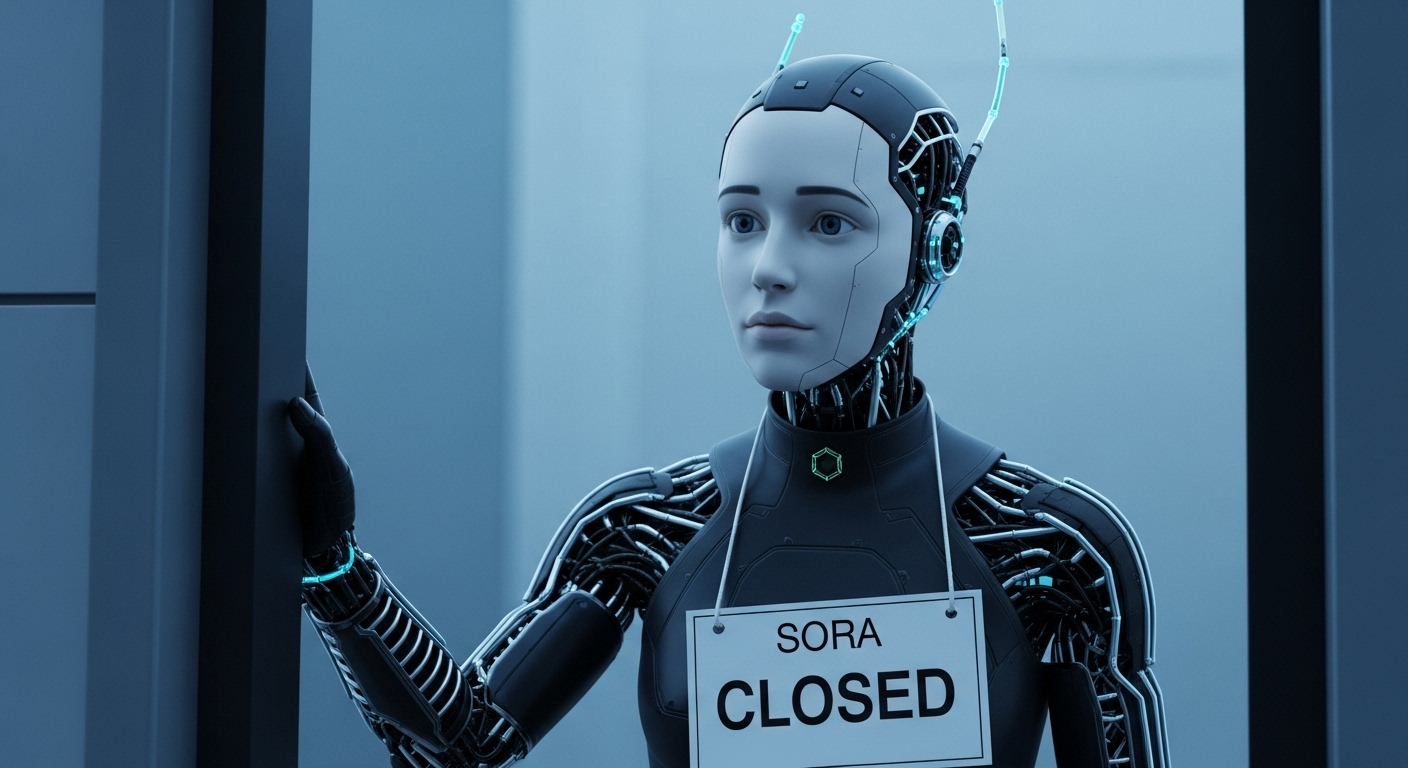
On Tuesday, March 24, 2024, the tech world was blindsided by a brief, almost poetic message from OpenAI: “We’re saying goodbye to the Sora app. To everyone who created with Sora, shared it, and built a community around it: thank you. What you made with Sora mattered.”
With those few words, the most anticipated video generation platform in history was effectively sent to the digital graveyard. The standalone app, the API, and the web interface are all being sunsetted. While OpenAI promised to share timelines for users to preserve their work, they offered no official explanation for the sudden retreat. However, looking at the data from the last six months, the “why” becomes a clear, cautionary tale of the brutal economics of generative AI.
The Phenomenon: A Viral Dream with a Heavy Cost
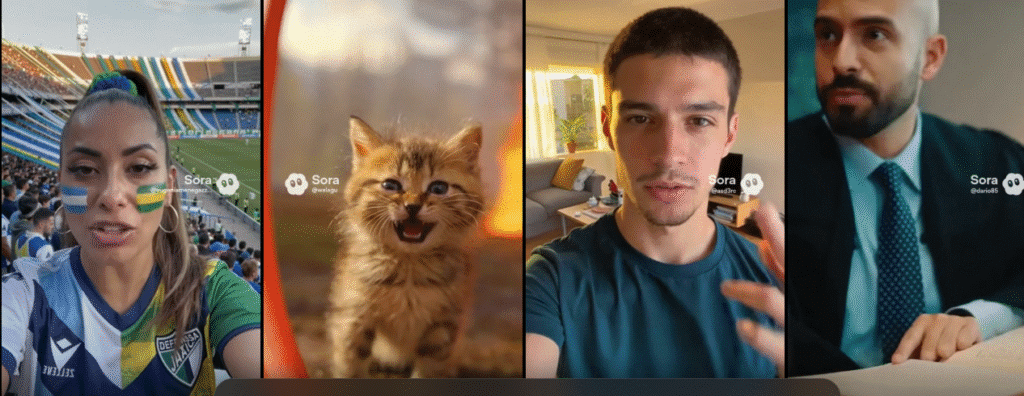
When Sora’s second iteration launched in September 2025, it felt like a “magic wand” for creators. It hit one million downloads in less than five days—a feat that even ChatGPT couldn’t match. For a brief moment, the promise of democratized filmmaking felt real. Social media was flooded with hyper-realistic clips of everything from futuristic cyberpunk cities to family memories “animated” from old photos.
But the honeymoon was short-lived. By January 2026, downloads had plummeted by 45%. The technical brilliance of the tool was undeniable, but as a consumer product, it was bleeding out.
The Disney Divorce: The Billion-Dollar Deal That Wasn’t
The most shocking fallout of Sora’s closure is the collapse of the “Deal of the Century.” In December 2025, OpenAI and The Walt Disney Company announced a massive three-year licensing agreement. It would have allowed Sora users to generate videos featuring over 200 iconic characters from Marvel, Star Wars, and Pixar. Disney even committed a $1 billion equity investment into OpenAI.
The partnership was supposed to be the ultimate bridge between Silicon Valley and Hollywood. Instead, it never officially closed. Reports suggest that Disney, a company built on the absolute protection of its intellectual property (IP), found the liability risks and the lack of a sustainable revenue model for Sora to be unmanageable. With the app’s closure, Disney confirmed the alliance is dissolved, stating they “respect OpenAI’s decision to shift its priorities.”
Why Now? The Struggle for Sustainability
Why would a company valued at over $700 billion kill its most viral product? The answer lies in three cold, hard realities:
- The Compute Tax: Generating high-definition, coherent video is exponentially more expensive than generating text. Every viral “cat flying a plane” video cost OpenAI a small fortune in GPU power and electricity. Without a massive, paying user base, Sora was a financial black hole.
- The Copyright Trap: To keep the app “safe,” OpenAI had to implement draconian restrictions on IP. When users realized they couldn’t create videos with their favorite characters or celebrities without hitting a “Content Policy” wall, the “fun factor” evaporated. The app went from a creative sandbox to a restricted gallery.
- The Road to Wall Street: OpenAI is currently preparing for a potential Initial Public Offering (IPO). Investors don’t want “cool” experiments that bring lawsuits; they want predictable revenue. According to The Wall Street Journal, OpenAI is now focusing on a “Super-App” that combines ChatGPT, Codex (coding), and Atlas (browsing) into a single enterprise-grade tool. Sora, with its legal baggage and high costs, simply didn’t fit the IPO brochure.
Where Does the Tech Go From Here?
The technology behind Sora isn’t actually “dying.” OpenAI confirmed that the research team is being folded into a new division focused on “World Simulation.” Instead of making movies, Sora’s brain will be used to train AI agents and robots how to navigate the physical world. It is a pivot from entertainment to utility—from “making art” to “solving physics.”
A Lesson in AI Maturity
The rise and fall of Sora is a sobering reminder that virality is not a business strategy. In the fast-moving world of generative AI, being the “first” or the “most downloaded” isn’t enough to survive if the cost of your product exceeds its value to the user.
We had our cameras ready to film the future, but OpenAI decided to turn on the house lights and end the show. The era of “unrestricted AI magic” is over; the era of “AI as a business” has officially begun.