

From repairing oil wells in remote fields to analyzing microscopic particles that can determine multimillion-dollar decisions, these lesser-known roles are critical to North America’s economy. They may not be traditional office jobs, but without them, entire industries would stall.
When people think about high-demand jobs in the United States and Mexico, they usually picture software developers, executives, or financial analysts. But there’s another side of the labor market that receives far less attention and is just as essential.
These are specialized, technical roles that operate behind the scenes in industries such as energy, advanced manufacturing, infrastructure, mining, and logistics. Many offer strong salaries, long-term stability, and clear growth paths. Yet most professionals have never even heard of them.
Here are five surprising but essential jobs that are shaping the North American workforce.
1. Oil Well Workover Technician
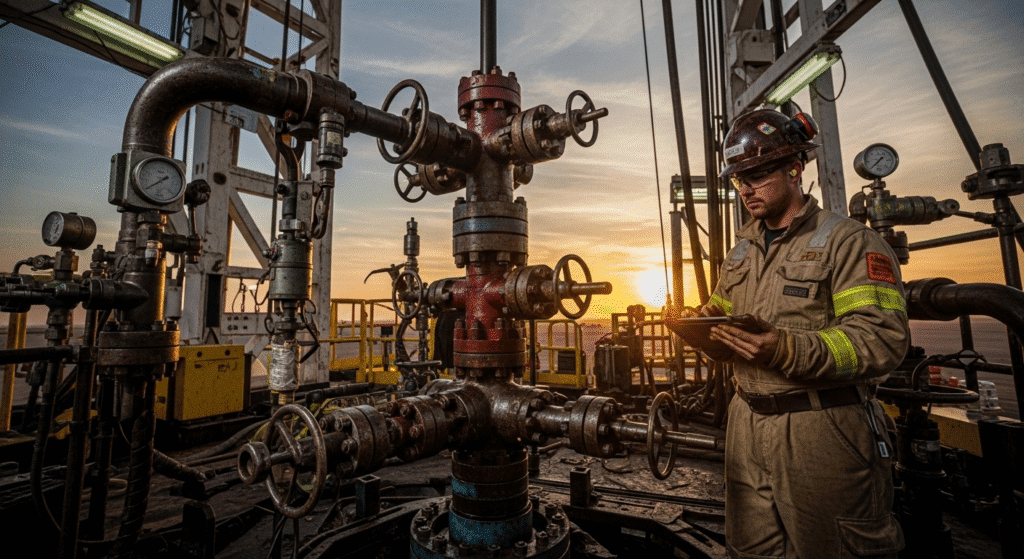
In regions like Texas, New Mexico, and northern Mexico, when an oil well’s production declines, companies don’t simply shut it down. They rehabilitate it.
A workover technician specializes in restoring and optimizing existing oil wells. This can involve cleaning the well, replacing internal tubing, adjusting pressure systems, or repairing structural components deep underground.
The job is physically demanding and highly technical. It often takes place in remote environments and requires strict safety protocols. However, restoring a well can recover millions of dollars in production, making this role financially and strategically critical.
As energy efficiency becomes increasingly important, companies rely heavily on skilled technicians who can maximize output from existing infrastructure.
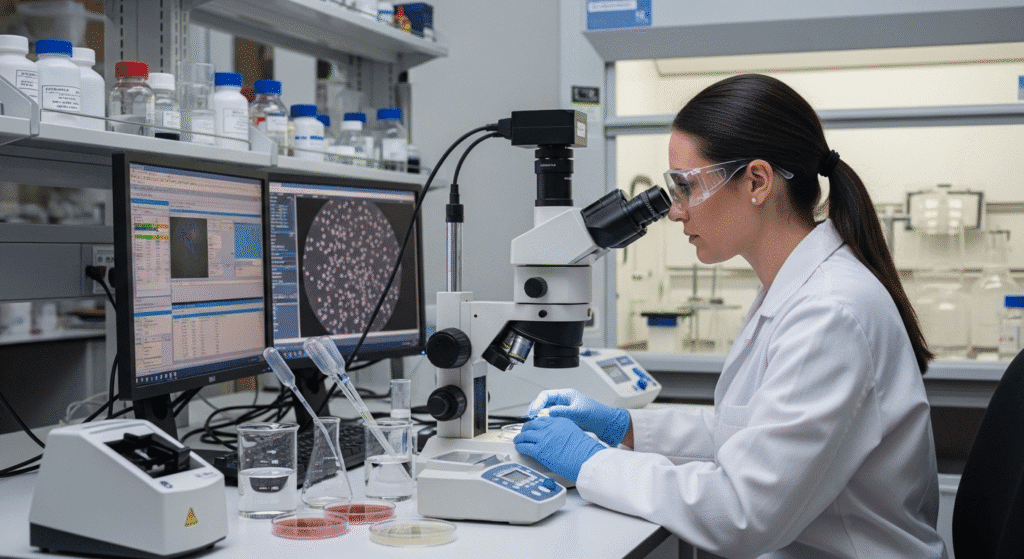
2. Industrial Particle and Contamination Analyst
It sounds niche because it is. But it is also extremely important.
In aerospace, automotive manufacturing, pharmaceuticals, mining, and semiconductor production, microscopic particles can compromise entire systems. A single contaminant can damage components, affect performance, or lead to safety failures.
Industrial particle analysts examine samples using advanced tools such as electron microscopes and spectrometry equipment to identify contamination sources.
In the United States, this role is vital in high-precision manufacturing and defense industries. In Mexico, the rapid expansion of automotive and electronics production has increased demand for contamination specialists who can ensure quality control at microscopic levels.
It is a highly technical career that blends chemistry, engineering, and data interpretation.
3. Well Control Specialist
In the oil and gas industry, a blowout is one of the most dangerous scenarios possible. It refers to an uncontrolled release of pressure from a well.
Well control specialists are trained to prevent and manage these high-risk situations. They work with advanced pressure systems and safety equipment to ensure drilling and production operations remain secure.
This role requires certifications, specialized training, and field experience. In the United States, it is among the highest-paid technical positions in energy operations. In Mexico, it is equally critical in exploration and offshore activities.
It is not a common career aspiration, but the industry depends on professionals who can manage extreme conditions with precision and calm expertise.
4. Industrial Drone Inspection Operator
These are not recreational drone pilots. Industrial drone operators conduct inspections on power lines, wind farms, oil platforms, pipelines, solar parks, and large infrastructure projects.
By using high-resolution cameras and thermal imaging systems, they help detect structural issues, leaks, and performance irregularities without putting human workers at risk.
In the United States, federal regulations require specific certifications to operate drones commercially. In Mexico, the growth of renewable energy and infrastructure projects has expanded the need for certified industrial drone operators.
It is a modern technical career that combines aviation skills, engineering awareness, and data analysis.
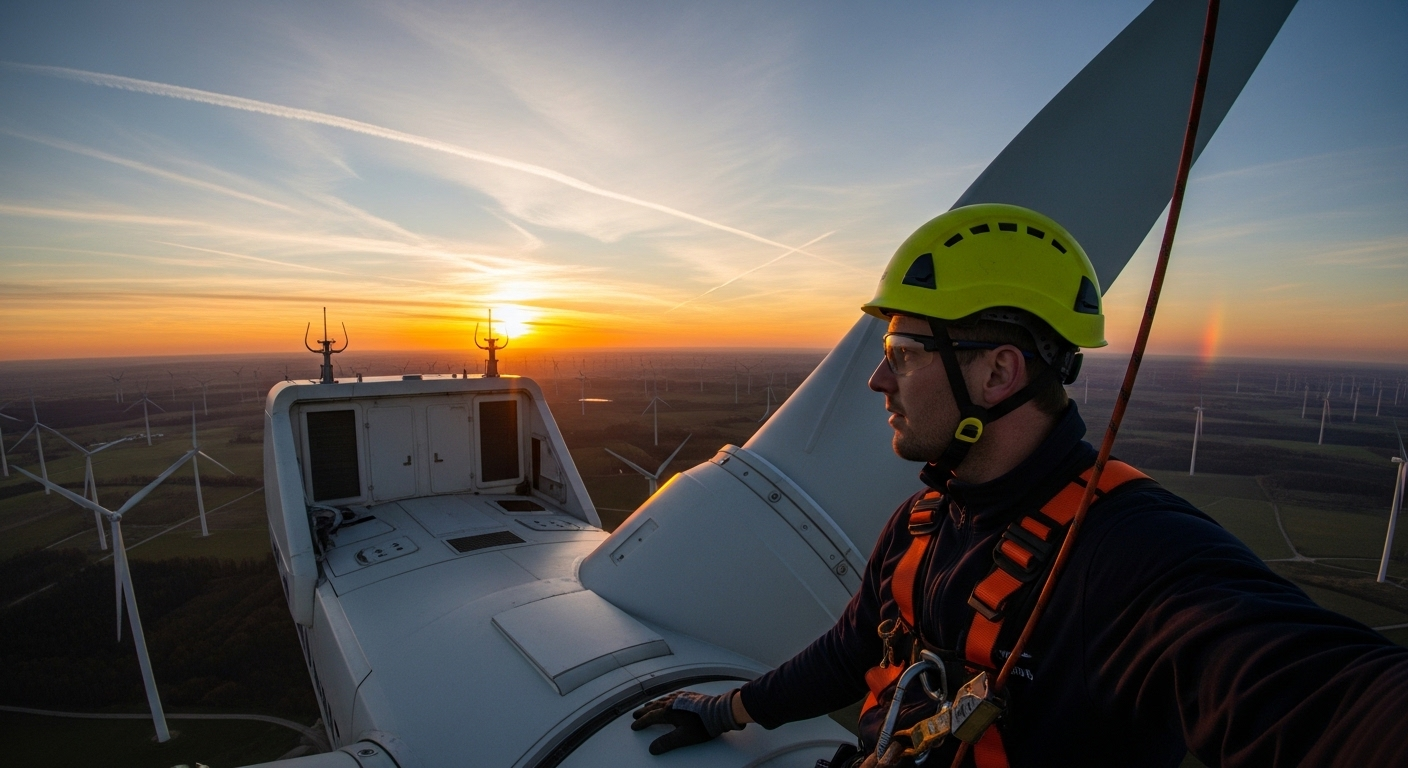
5. Wind Turbine Maintenance Technician
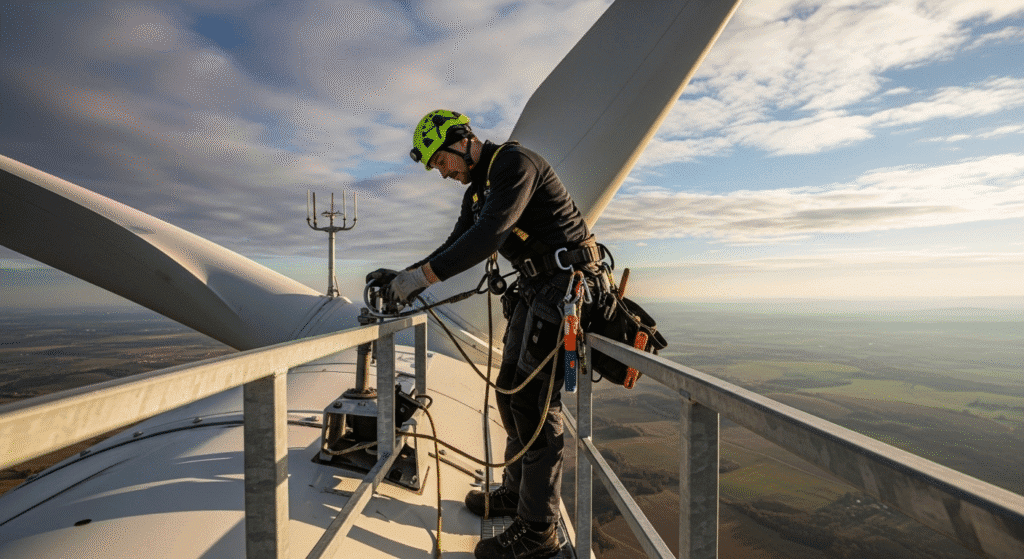
Climbing 80 meters or more to repair and maintain wind turbines is not for everyone.
Wind turbine technicians perform mechanical and electrical maintenance at significant heights, often in challenging weather conditions. They ensure turbines operate efficiently and safely, directly supporting renewable energy production.
In the United States, wind energy is one of the fastest-growing sources of electricity generation. In Mexico, renewable energy projects continue to expand in strategic regions.
This job requires technical training, physical endurance, and strict adherence to safety standards. It is essential to the clean energy transition and offers competitive wages and strong job security.
The Future of Work Is Also Technical
These five roles share a common characteristic. They are essential to critical industries, yet rarely discussed in mainstream career conversations.
The North American labor market is increasingly interconnected. As supply chains integrate and energy, manufacturing, and infrastructure projects expand across borders, specialized technical roles are becoming more valuable.
Not every high-demand job sits behind a desk. Many of the strongest opportunities are found in field operations, precision analysis, safety control, and advanced maintenance.
For professionals exploring new career paths in Mexico and the United States, understanding these lesser-known but essential roles can open doors to stable, well-compensated, and future-oriented industries.
Sometimes the most powerful careers are not the most visible ones. They are the ones that quietly keep entire economies running.