


Not everyone performs at their best at the same time of day — and that has nothing to do with discipline. Science shows that each person has a natural biological rhythm called a chronotype. Understanding it can improve productivity, well-being, and even how companies manage remote teams.

For decades, waking up early was seen as a sign of responsibility and drive, while doing your best work late at night was often labeled as poor time management. But psychology and sleep science tell a very different story. Human brains do not all run on the same internal schedule, and forcing everyone to perform on identical timetables can hurt performance, mood, and long-term health.
The key concept behind this is something researchers call a chronotype.
What Is a Chronotype — and Why It Matters
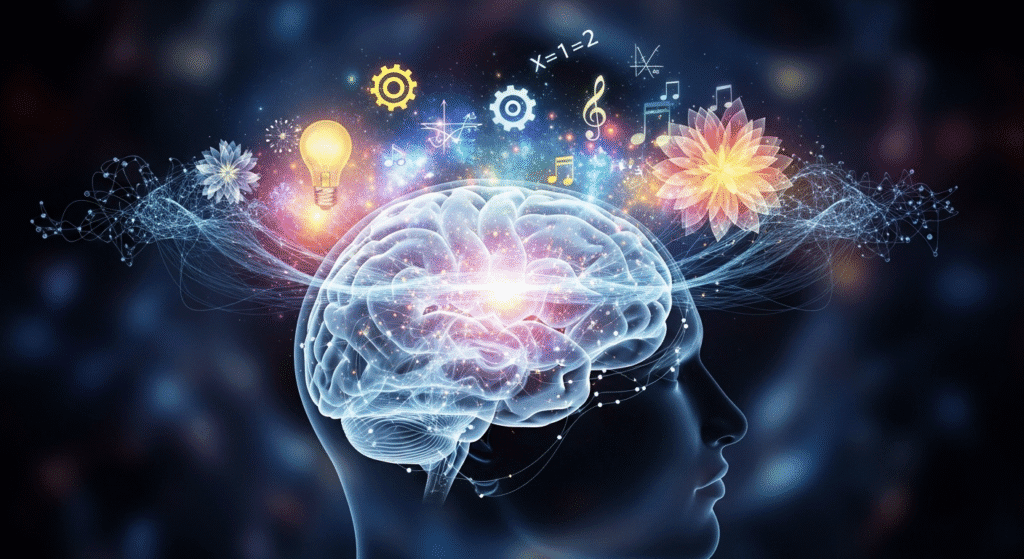
A chronotype refers to your body’s natural preference for being alert and productive at certain times of the day. It’s connected to your circadian rhythm, the internal biological clock that regulates sleep, hormone release, body temperature, and energy levels.
In simple terms: some people’s brains “turn on” earlier in the day, while others hit their peak focus and creativity later in the afternoon or evening. Neither is better. They’re simply different biological patterns.
Experts generally describe three broad categories:
Morning types (often called “larks”)
These individuals wake up more easily, feel mentally sharp in the early hours, and tend to lose energy later in the day. Their best performance often happens before noon.
Evening types (often called “owls”)
They struggle more with early mornings but gain focus, motivation, and creativity as the day progresses. Their strongest productivity window often falls in the late afternoon or evening.
Intermediate types
Most people fall somewhere in between, with relatively steady energy across the day but a slight preference toward mornings or evenings.
This Isn’t About Willpower — It’s Biology
When someone says, “I’m just not a morning person,” it may be more than a preference. It can be an accurate reflection of how their brain and body are wired.
Evening-type individuals tend to experience later releases of melatonin, the hormone that signals the body to sleep. As a result, their system activates more slowly in the morning. Asking them to perform high-focus work at 7 a.m. can lead to more mistakes, lower concentration, and faster mental fatigue.
On the other hand, a strong morning type may feel mentally drained when trying to do complex tasks late at night.
This is not about motivation or discipline. It’s about how each person’s internal clock is naturally programmed.
How Chronotype Affects Work Performance
This topic becomes especially relevant in today’s work environment, particularly with remote and distributed teams.
When schedules are rigid and ignore biological differences, many professionals end up working during their lowest-energy hours. The result is familiar: more time at the desk, lower output, higher stress, and a constant feeling of being behind.
But when organizations allow reasonable schedule flexibility, something shifts. People tend to plan their most demanding tasks during their natural high-energy windows. That leads to better focus, higher-quality work, and less burnout.
For example:
- A morning-type professional may use early hours for strategic planning or analytical tasks.
- An evening-type professional may schedule creative work or deep focus sessions for the afternoon.
They are not working fewer hours — they are working in alignment with their biology.
Chronotype and Remote Work: A Powerful Match
Remote work has created an opportunity that traditional office structures rarely allowed: aligning schedules with real performance rhythms.
For companies hiring remote talent, understanding chronotypes can become a strategic advantage. It’s not only about filling a role; it’s about enabling people to perform at their highest level.
Many modern teams are shifting toward outcome-based models, where success is measured by results rather than strict clock-in times. This approach respects different chronotypes while still encouraging accountability and collaboration.
For professionals, recognizing their own chronotype is also a powerful self-management tool. Knowing when your brain is most alert allows you to schedule complex tasks during peak hours and leave routine work for lower-energy periods. This reduces frustration and improves both performance and confidence.
Listening to Your Energy Is Smart Productivity
For years, workplace culture rewarded people who conformed to a single schedule. Today, both science and real-world remote work experience suggest a more effective approach: productivity is not just about effort, but also about timing.
Understanding chronotypes is not about making excuses. It’s about working smarter. When people align their responsibilities with their natural energy peaks, they often produce better results while protecting their mental well-being.
In a global, digital workforce where teams operate across time zones, respecting these biological rhythms is no longer a luxury. It’s a practical, human-centered strategy for sustainable performance.