

The transformation of work in the digital era and why more companies value what you can do over the diploma you hold
The global job market is going through a profound transformation. The traditional rules that defined access to top jobs for decades — such as holding a college degree — are losing weight compared to a new key factor: the real ability to solve problems.
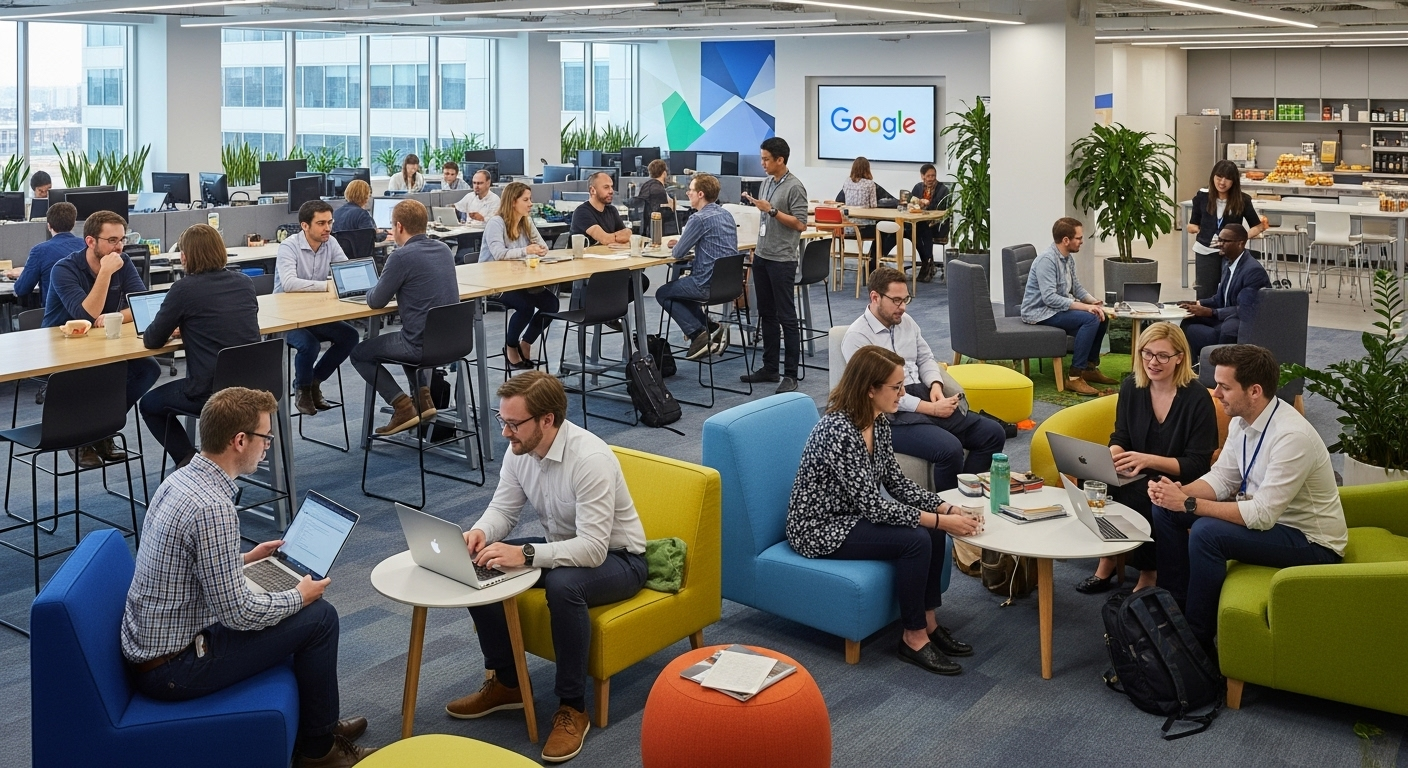
The debate resurfaced after Sergey Brin, co-founder of Google, revealed that the company has hired “many” people without college degrees because, as he explained, they are individuals who figure things out on their own. This statement is not an isolated anecdote. It reflects a structural shift that is already influencing hiring practices across technology, finance, and many other industries.
But why is this happening now? Does it mean education no longer matters? Or are we witnessing a redefinition of what education really means?
From Degrees to Demonstrable Skills
For much of the 20th century, a college degree acted as a quality filter. Employers assumed that graduates had discipline, technical knowledge, and the ability to learn. Today, however, that model is under pressure because of how quickly technologies and job requirements evolve.
In fields such as tech, digital marketing, data analysis, design, remote support, and automation, many in-demand skills are not learned exclusively in universities. They are also developed through hands-on experience, online courses, digital communities, and personal projects.
Companies like Google realized that talent exists outside traditional academic paths. Self-taught professionals who learned to code, troubleshoot systems, or build digital solutions often bring strong adaptability and independent thinking. Instead of following linear career tracks, these individuals tend to develop a problem-solving mindset shaped by real-world challenges.
The Speed of Technological Change
One of the main drivers behind this trend is the rapid pace of technological change. New tools, platforms, programming languages, and AI systems emerge so fast that university curricula often struggle to keep up.
This creates a gap: someone can graduate with excellent grades yet lack experience with the tools companies use today. Meanwhile, a self-taught professional who has worked on real projects may be ready to deliver solutions immediately.
As a result, many employers are now asking a more direct question:
“What can you do?” instead of “Where did you study?”
Remote Work and Global Talent
The rise of remote work is another key factor. Companies now hire talent across countries and time zones. In this global environment, evaluating candidates purely by academic credentials becomes less relevant than assessing portfolios, technical certifications, and proven experience.
This shift has opened doors for professionals in Latin America and other regions to access international opportunities by demonstrating their skills rather than relying solely on formal degrees.
By reducing rigid academic requirements, companies expand their talent pools and discover highly capable individuals with strong self-learning abilities and practical experience.
The Role of Artificial Intelligence
Artificial intelligence is also reshaping the conversation. Many tasks that once required years of specialized education can now be performed with the help of digital tools. This doesn’t make knowledge irrelevant, but it does elevate the importance of practical skills, creativity, and adaptability.
In this new context, knowing how to ask the right questions, interpret results, collaborate effectively, and continuously learn can be just as valuable as traditional academic training.
Is This the End of College?
Not at all. What’s changing is not the usefulness of education, but how it is valued. Employers increasingly recognize that there are multiple paths to acquiring skills, and talent does not always follow a traditional academic journey.
Formal education still offers major advantages: structured learning, critical thinking, theoretical foundations, networking opportunities, and exposure to diverse perspectives. In fields like healthcare, engineering, law, and scientific research, university training remains essential.
What we are seeing today is a coexistence of models:
- Professionals with degrees who continue to build practical skills
- Professionals without formal degrees who strengthen their profiles through certifications, courses, and real-world experience
A Job Market That Rewards Lifelong Learning
The message from companies like Google is clear: the ability to learn and solve problems can matter as much as formal credentials. Curiosity, autonomy, and continuous upskilling have become central assets in today’s workforce.
For people starting their careers, this shift creates a more flexible and inclusive landscape. There is no longer just one path to quality employment, but one condition remains constant across all routes: the need to keep learning.
Even if companies no longer always require a diploma, continuing to study, train, and develop new skills always adds value — at any stage of your professional journey.