

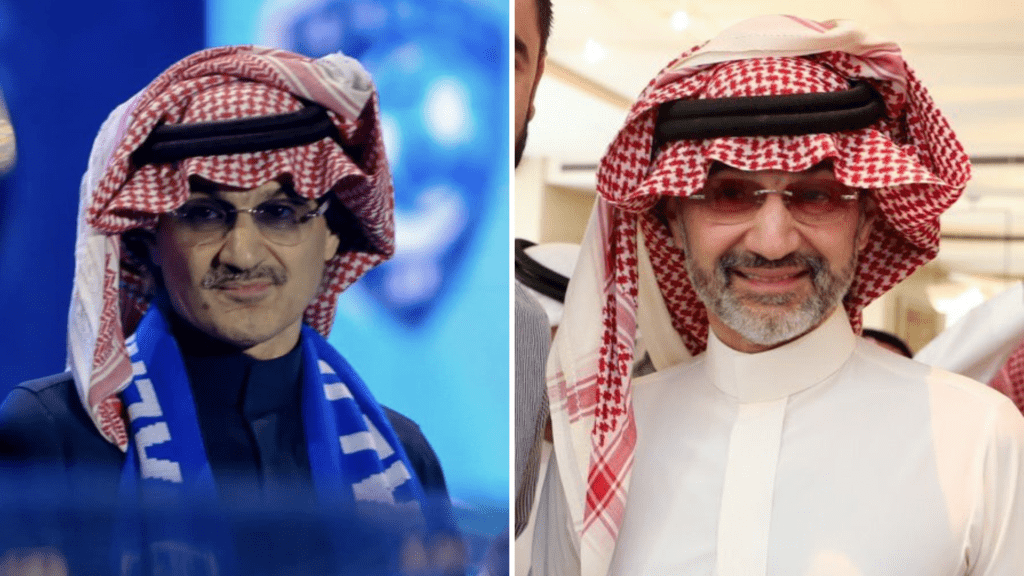
The list includes Saudi Prince Alwaleed bin Talal al Saud, Twitter’s founder and former CEO Jack Dorsey, and the venture capital firm Andreessen Horowitz.
A court has ordered Elon Musk’s social network to disclose a list of shareholders associated with X Holdings Corp.
Approximately 100 entities were named, all of which hold shares in X, though some appear to represent different funds controlled by the same company or individual.
One of the most unexpected names on the list is hip-hop rapper Sean ‘Diddy’ Combs, who stands among some of Silicon Valley’s most famous venture capitalists and entrepreneurs.
Other investors include Saudi Prince Alwaleed bin Talal al Saud, Twitter’s founder and former CEO Jack Dorsey, and the venture capital firm Andreessen Horowitz.
These investors helped Musk acquire the social media platform in October 2022 for $44 billion.
Why Elon Musk Had to Share the X Investors List
While the platform has been under the control of the world’s richest man since late 2022, Musk initially kept the investor list sealed. Representatives from the Committee of Reporters for Freedom of the Press, a nonprofit organization, filed a motion last month to unseal the records.
U.S. District Judge Susan Illston accepted a motion filed on behalf of independent journalist Jacob Silverman, compelling Elon Musk to disclose the investors and submit an unredacted version of the document.
On July 3rd, the tech journalist published an article on his website titled “Who Owns X?” followed by the headline “This is Why I’m Trying to Intervene in a Civil Suit Against X and Elon Musk.”
In this post, he shared his motivations behind the request to make the document public.
“X had previously filed the list under seal, a type of legal action that is routine. So is my attempt to unseal it: journalists do this all the time and argue that transparency is in the interest of the courts and the public.
“I believe that people have the right to know who owns a company that plays a prominent role in shaping public discourse both in the United States and globally. X’s self-proclaimed role as a guarantor of free speech means we need to know which external entities and foreign governments may have influence over the company.”