

It will be difficult to live in them in 50 years. Some are active economic capitals
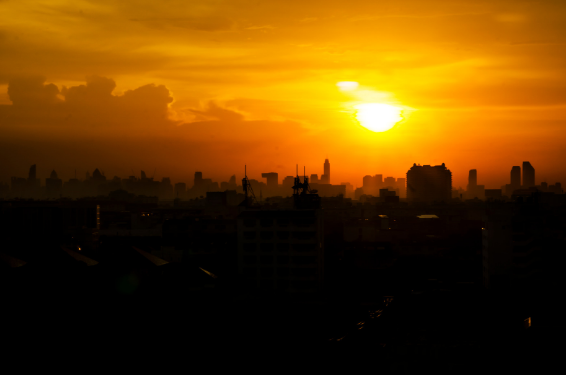
As global temperatures rise, certain cities around the world are setting new records for heat, making them some of the hottest places on Earth. It is difficult to know how people will live there in 50 years, according to IA.
These cities face unique challenges due to their extreme climates, from health risks to infrastructure strain. Here’s a look at some of the hottest cities in the world, where the temperatures can soar to life-threatening levels.
1. Kuwait City, Kuwait
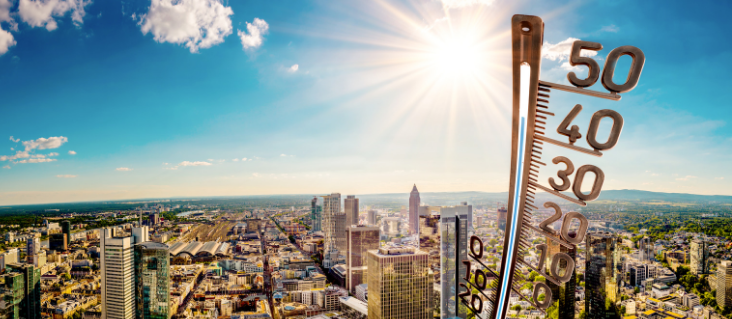
Kuwait City consistently ranks among the hottest cities globally. In the summer of 2016, it recorded a scorching temperature of 54°C (129.2°F), one of the highest temperatures ever reliably recorded on Earth. The city’s residents often endure extreme heat from May to October, with temperatures regularly exceeding 45°C (113°F). Air conditioning is a necessity rather than a luxury, and public health campaigns focus on preventing heat-related illnesses.
2. Basra, Iraq
Located in southern Iraq, Basra experiences some of the most extreme temperatures in the world. The city’s average summer temperature hovers around 45°C (113°F), with peak temperatures reaching up to 53°C (127.4°F). The intense heat, combined with frequent dust storms, poses significant health risks and challenges for daily life. Residents often struggle with power outages, which can be life-threatening during the hottest months.
3. Ahvaz, Iran
Ahvaz, in southwestern Iran, is notorious for its extreme heat and poor air quality. In June 2017, the city recorded a temperature of 53.7°C (128.7°F). Ahvaz’s heat is exacerbated by high humidity, making it feel even hotter. The combination of severe heat and air pollution has serious health implications, leading to increased respiratory issues and heatstroke cases during the summer.
4. Phoenix, Arizona, USA
Phoenix is one of the hottest cities in the United States, with summer temperatures regularly exceeding 40°C (104°F). In June 1990, the city reached an all-time high of 50°C (122°F). The city’s rapid urbanization and sprawling asphalt surfaces contribute to the urban heat island effect, further elevating temperatures. Phoenix’s extreme heat requires extensive use of air conditioning and poses significant challenges for outdoor workers.
5. Riyadh, Saudi Arabia
The capital of Saudi Arabia, Riyadh, experiences extreme heat during its long summers. Temperatures often surpass 45°C (113°F), with record highs nearing 52°C (125.6°F). The city’s infrastructure is heavily reliant on air conditioning, and water scarcity is a growing concern. Riyadh’s residents have adapted to the heat with lifestyle adjustments, such as avoiding outdoor activities during peak heat hours.
6. Doha, Qatar
Doha, the capital of Qatar, is another city known for its intense heat. Summer temperatures frequently exceed 45°C (113°F), with high humidity levels making the heat even more oppressive. The city is preparing for the 2022 FIFA World Cup by implementing advanced cooling technologies in stadiums and public areas to ensure the safety and comfort of both residents and visitors.
Challenges and Adaptations
The extreme temperatures in these cities present numerous challenges. Health risks such as heatstroke, dehydration, and respiratory issues are prevalent. Infrastructure must be designed to withstand high temperatures, requiring significant investment in cooling systems and heat-resistant materials. Water scarcity and energy consumption for air conditioning are major concerns, prompting the need for sustainable solutions.
Innovative Solutions
To combat the extreme heat, cities are adopting various innovative measures. Urban planning strategies include increasing green spaces, implementing reflective building materials, and creating shaded areas. Advances in air conditioning technology and renewable energy sources are being explored to reduce the environmental impact of cooling systems. Public health initiatives focus on educating residents about heat safety and providing resources for vulnerable populations.
But these cities are in front lines of climate change. Their experiences offer valuable lessons in adaptation and resilience. By embracing innovative solutions and sustainable practices, these cities can mitigate the impacts of extreme heat and create safer, more livable environments for their residents.