


Do you feel like you lose your cool in extreme situations in your work or your company? The tragedy of flight 571 in the Andes mountain range can teach you some lessons.
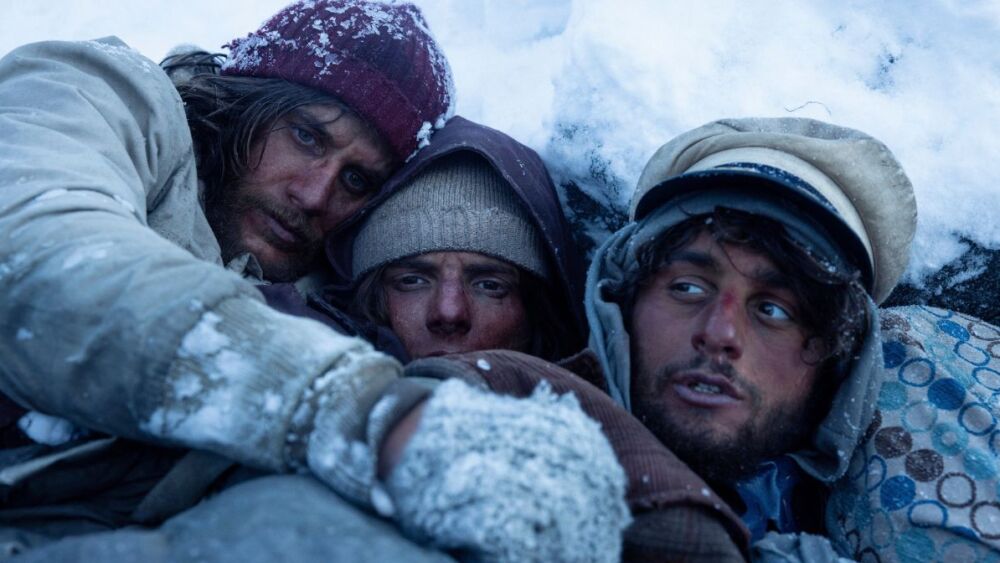
If you are an entrepreneur or have a demanding job, more than once you have felt overwhelmed. But what happens in a workplace is nothing compared to the fall of a plane in the inhospitable Andes mountain range, without water, without food and with dead colleagues.
What the survivors of the Andes did in 1972 that is portrayed in ¡Viven! (1993) and The Snow Society (2023) is called “Extreme Leadership”, and requires making assertive decisions to avoid becoming a “psychopathic leader” or “worker overcome by circumstances”.
The true story of Flight 571 is one of leadership in the face of life and death, or how you can get out of the most disastrous conditions with decisions that fit reality. In that context we cannot think “if this were such and such a thing” or “if there was such a thing.” We have to get ahead with what there is.
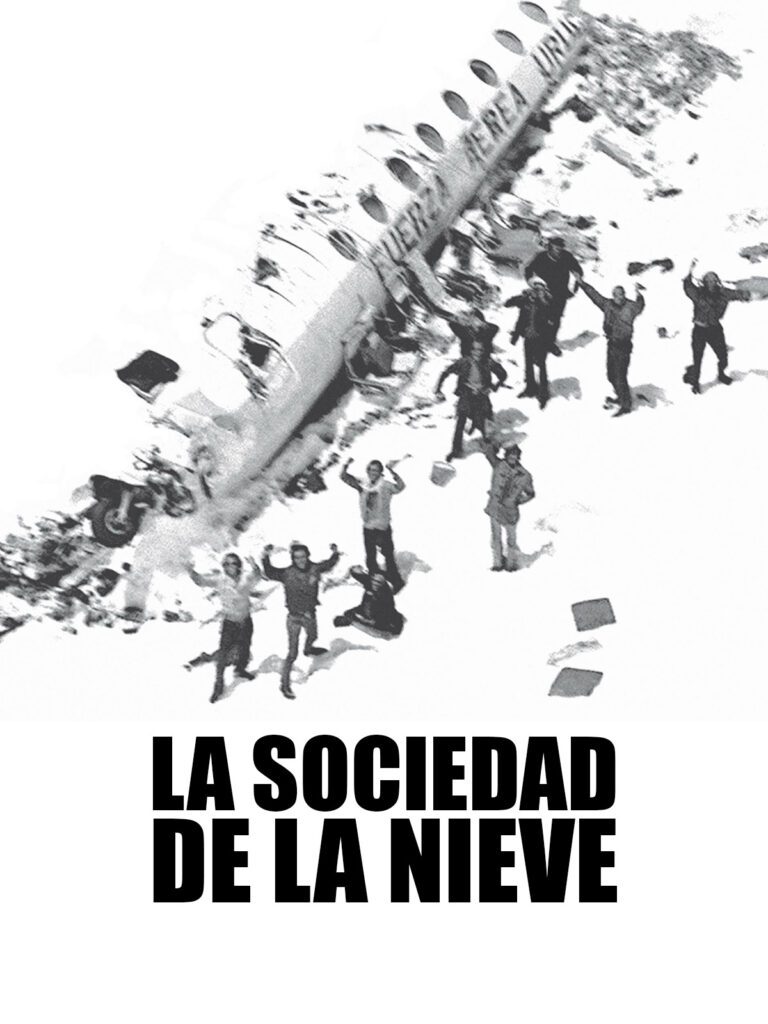
In that famous plane, whose remains can still be visited in the mountain range of Argentina. Young people from the Old Christians Club rugby team were traveling from Montevideo, Uruguay, to Santiago, Chile. As it approached its destination, the pilots asked the Santiago airport for permission to land. The plane began its descent. But due to a miscalculation, he crashed in a valley high in the mountains.
After the fall, 33 survivors faced the challenge of staying alive in freezing temperatures, at a height where it is difficult to breathe, without medicine or food. In an extreme decision, they agreed to dry the flesh of their dead companions and feed on it.
Panic is the worst advisor
When faced with decisions, you must remain calm. This calmness is transmitted to all your teammates and gives better results and orderly actions.
Do what you can with what there is
It’s no use staying complaining. Saying “this would not happen in such and such a country” or “If we had such and such technology we could.” What you have is the present, the present tools and the present equipment. Like putting together a puzzle: you must solve with the pieces that already exist.
Be flexible with tactics
Creative thinking is a great ally within teams. There is no single way out.
Learn to listen
Your colleagues have a lot to say and contribute. Solutions can emerge from the most unusual proposals.
Choose the central problem
Don’t beat around the bush. In emergencies we must solve one thing at a time, without looking at others. You cannot present an urgent balance sheet thinking that the computers do not work. You have to think about how that balance will be made. The rest is secondary.
Get the no out of the way
For many leaders or workers, the first answer that changes their schemes is NO. Breathe first before answering. Then, process what they are telling you.
Choose your people carefully
It is essential to choose the right people for the right jobs. That’s what employment agencies are ideal for, as they do that work for you. If you already have designated staff, try to get the best out of each person.
Identify talents
In the group of the Los Andes tragedy there was an electrician, an engineer, a doctor. There are people with different skills on your team. Identifying them in time is key to the success of your objective
Don’t lose your optimism
Lowering your arms or pouting is not going to change the challenge you face. But it will lower the spirit and predisposition of all those who accompany you.
Don’t compare or criticize
In the face of adversity we cannot disqualify colleagues or team members. We have to